
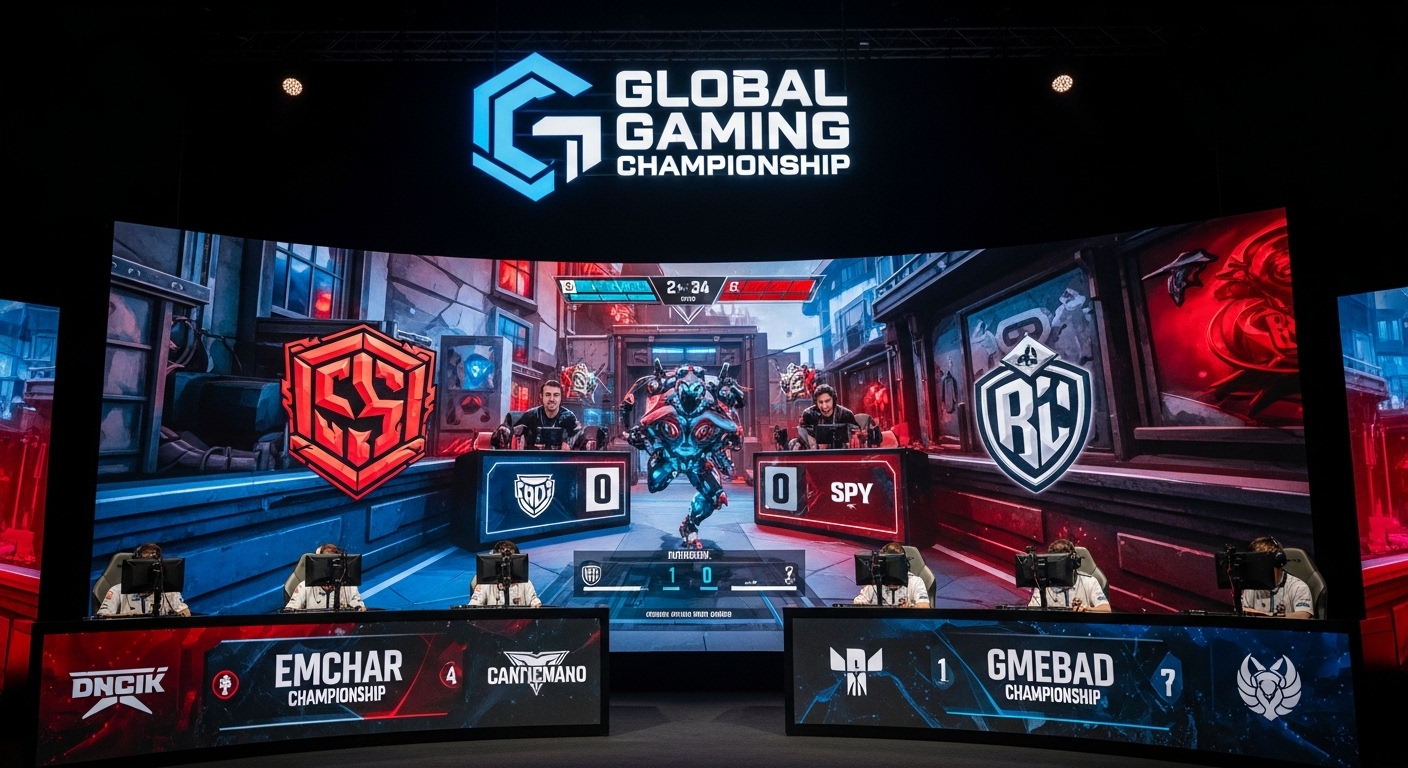
Introduction: The Rise of Esports in the Modern Age
Esports is no longer just a niche activity or a hobby for gamers; it has become a global phenomenon, rivaling traditional sports in terms of revenue, viewership, and cultural influence. What started in the 1990s as small-scale competitions held in local LAN (Local Area Network) parties has transformed into a billion-dollar industry, attracting millions of fans and players worldwide. Today, professional esports athletes compete in massive tournaments with prize pools reaching millions of dollars, and the games they play are watched by millions of viewers across the globe.
In this post, we will explore the rapid rise of esports, the factors contributing to its growth, and the future of competitive gaming. We’ll delve into how esports is reshaping the way we view gaming, its economic impact, and how it has turned gaming from a casual hobby into a legitimate career path for professional players.
The Genesis of Esports: A Glimpse into the Past
The roots of esports trace back to the early days of competitive video gaming. In the 1970s and 1980s, video game arcades became popular gathering spots where players could compete against each other for high scores in games like Pong, Space Invaders, and Pac-Man. However, these early forms of competition were limited in scope and scale.
The first significant step toward the birth of modern esports occurred in the 1990s with the rise of multiplayer online games and the internet. Games like Quake, Warcraft II, and StarCraft allowed players to compete over the internet, giving rise to the first online tournaments. These games fostered communities of competitive players, and by the late 1990s, major esports tournaments such as the Cyberathlete Professional League (CPL) and World Cyber Games (WCG) were born. While these early tournaments were small compared to today’s standards, they laid the groundwork for the explosive growth of esports in the 21st century.
Esports Explodes in Popularity: The Modern Era
Esports entered the mainstream in the early 2000s, driven by the popularity of multiplayer online games and the rise of streaming platforms. Games like Counter-Strike and Warcraft III allowed players to compete at the highest levels, and with the launch of platforms like Twitch in 2011, gaming found a new avenue for visibility. Twitch allowed players to broadcast their gameplay to the world, leading to the rise of professional streamers and esports content creators. This new form of broadcasting allowed fans to watch their favorite players in real-time, creating a more immersive and interactive experience.
At the same time, major publishers like Riot Games, Valve, and Blizzard began investing heavily in esports by developing games specifically designed for competitive play. League of Legends, released in 2009, became one of the most influential games in the esports ecosystem, holding annual World Championship tournaments that attract millions of viewers worldwide. Similarly, Dota 2 and Counter-Strike: Global Offensive have become staples of the esports landscape, with The International, CS: GO Major Championships, and other major events offering huge prize pools and global attention.
The increased investment from game developers and the rise of streaming services provided a huge boost to the esports scene, and by the 2010s, esports had firmly established itself as a legitimate form of competitive entertainment.
Esports Today: A Multibillion-Dollar Industry
Esports is no longer just about casual tournaments in small gaming centers. It has become a professional sport with high stakes, massive audiences, and lucrative sponsorships. The industry is expected to surpass $1.5 billion in global revenue by 2023, with major esports events being watched by millions of viewers across multiple platforms.
Professional Leagues and Teams
Esports today operates much like traditional sports leagues, with professional teams competing in organized leagues. For example, the League of Legends Championship Series (LCS) and Overwatch League (OWL) feature franchised teams that represent specific cities or regions. These teams compete in regular seasons and playoffs, with the best teams earning spots in prestigious global tournaments.
Esports teams operate in a similar way to traditional sports franchises, with coaches, analysts, and support staff working alongside the players to optimize performance. Teams like Cloud9, Team Liquid, T1, and Fnatic are well-known in the esports world and have established fanbases that rival those of traditional sports teams.
Sponsorships and Partnerships
Esports has attracted a wide range of corporate sponsors, from tech giants like Intel and Nvidia to lifestyle brands like Red Bull and Coca-Cola. These companies have recognized the massive appeal of esports and the opportunity to engage with a young, tech-savvy audience. Sponsorships have become a key revenue stream for esports teams, tournaments, and content creators, with brands investing in everything from player jerseys to event broadcasting rights.
Sponsorships and partnerships also extend to streaming platforms, with Twitch, YouTube Gaming, and Facebook Gaming securing major deals with game developers and tournament organizers. These platforms provide a space for esports content to reach millions of viewers worldwide, further solidifying esports’ status as a global entertainment phenomenon.
The Esports Workforce: Players, Coaches, and Managers
In the early days of esports, competitive gaming was largely a hobby or passion for players. However, as the industry has grown, so too has the level of professionalism within the scene. Today, esports is a viable career path, with players, coaches, analysts, and managers all working together to build successful teams and organizations.
The Role of Professional Players
Professional esports players are the stars of the industry. These players compete at the highest level, training for hours each day to hone their skills. Just like traditional athletes, esports players must maintain peak physical and mental fitness, as competitive gaming requires fast reflexes, strategic thinking, and intense focus.
Top players earn salaries from their teams, prize money from tournaments, and endorsement deals from sponsors. Some of the highest-earning players in games like Dota 2 and League of Legends make millions of dollars each year. Players also have the opportunity to monetize their personal brands by streaming on platforms like Twitch, where they can earn revenue through subscriptions, donations, and ad revenue.
Coaches and Support Staff
In addition to players, esports teams employ coaches, analysts, and support staff to help maximize performance. Coaches guide players through game strategy, teamwork, and individual improvement, while analysts provide insights into opponents’ gameplay and help create game plans. Nutritionists, psychologists, and physical trainers are also becoming increasingly common in esports organizations, as maintaining a healthy lifestyle is critical for long-term success in competitive gaming.
Esports and the Digital Age: Streaming and Global Reach
One of the defining aspects of esports is its digital-first nature. Unlike traditional sports, which rely on physical venues to host games, esports events are often streamed online, allowing fans to watch from anywhere in the world. The rise of platforms like Twitch, YouTube Gaming, and Facebook Gaming has revolutionized the way esports content is consumed.
Streaming allows fans to watch live tournaments, follow their favorite players, and interact with the gaming community in real-time. Esports events are broadcast to millions of viewers across the globe, with many tournaments attracting audiences that rival those of traditional sports events. For instance, the League of Legends World Championship has attracted over 100 million viewers in recent years, a figure comparable to the Super Bowl in terms of viewership.
The accessibility of online streaming has also led to the rise of content creators and influencers within the esports community. Streamers build personal brands by showcasing their gameplay, offering commentary, and interacting with fans. Some streamers have become household names, with millions of followers on platforms like Twitch and YouTube.
The Cultural Impact of Esports: Changing the Gaming Landscape
Esports has had a profound impact on the gaming culture, reshaping how games are designed, played, and consumed. Esports has fostered a sense of community among players and fans, creating a global network of gamers who share a common passion for competitive gaming.
Gaming as a Social Activity
One of the most significant shifts in the gaming culture has been the move from solitary, single-player gaming to multiplayer online games. Esports has transformed gaming into a social activity, with players competing together, communicating via voice chat, and forming teams. Games like League of Legends, Fortnite, and Valorant have communities that span across countries and continents, creating a global ecosystem of players and fans.
Esports has also helped break down barriers in gaming, with diverse players from all walks of life coming together to compete and share their love for games. Unlike traditional sports, esports does not have physical barriers like height, strength, or gender, allowing a more inclusive environment for players of all backgrounds.
The Future of Esports: New Horizons and Endless Possibilities
The future of esports is bright, with the industry expected to continue growing at an exponential rate. Esports will continue to attract new players, fans, and sponsors, and its influence will likely expand into areas beyond gaming, such as education, health, and entertainment.
Mobile Gaming and the Rise of Mobile Esports
Mobile gaming is another area where esports is expanding. Games like PUBG Mobile, Clash Royale, and Free Fire have become staples in the mobile esports scene, attracting millions of players and viewers worldwide. With smartphones becoming more powerful and accessible, mobile esports is expected to play an increasingly important role in the future of competitive gaming.