eSports, or electronic sports, has become one of the fastest-growing entertainment industries globally. From humble beginnings as a niche hobby for passionate gamers, it has transformed into a massive, multi-billion-dollar industry. Whether you’re a casual gamer or a dedicated fan, the rise of eSports is impossible to ignore. Tournaments, live-streamed events, and professional gaming leagues have attracted millions of viewers, rivaling traditional sports in popularity. But what exactly is eSports, and why has it taken the world by storm? In this blog post, we’ll dive into the evolution of eSports, its cultural impact, and its future in the world of entertainment.
What is eSports?
At its core, eSports is competitive video gaming. Unlike casual gaming, eSports involves highly skilled players competing against each other in organized tournaments or leagues. These players typically compete in team-based or individual formats across a variety of game genres such as real-time strategy, first-person shooters, battle royale, and multiplayer online battle arena (MOBA) games.
Some of the most popular eSports games include titles like League of Legends, Dota 2, Counter-Strike: Global Offensive (CS: GO), Overwatch, and Fortnite. These games often require strategic thinking, teamwork, and lightning-fast reflexes, making them ideal for professional competition.
What sets eSports apart from other forms of gaming is its competitive nature, large-scale tournaments, and the widespread viewership that accompanies major events. With millions of fans tuning in to watch their favorite teams and players battle it out in major tournaments, eSports has solidified its place as a global spectacle.
The Origins and Evolution of eSports
While competitive gaming may seem like a modern phenomenon, the roots of eSports stretch back to the early days of video games. The late 1990s saw the rise of local multiplayer games and online gaming services, which paved the way for competitive gaming communities. Games like StarCraft and Quake sparked interest in organized competitions, with players beginning to participate in local tournaments and LAN (local area network) parties.
However, it wasn’t until the early 2000s that the term “eSports” was coined, and the first significant eSports tournaments began to emerge. As broadband internet access spread globally, online gaming became more accessible, allowing players to compete across borders. Platforms like Battle.net (for Blizzard games) and Garena (for various online games) became hubs for organized online tournaments.
The turn of the decade marked the emergence of larger professional gaming leagues, such as the World Cyber Games and the Electronic Sports World Cup. These early tournaments attracted thousands of players from around the world, marking the beginning of eSports’ rise to prominence.
By the 2010s, eSports had exploded into the mainstream, with major tournaments like The International (Dota 2), League of Legends World Championship, and Overwatch League offering multi-million-dollar prize pools. These tournaments are now broadcast live, attracting millions of viewers worldwide, both online and in-person.
The eSports Ecosystem: Teams, Players, and Tournaments
The eSports ecosystem is made up of several interconnected components: professional players, eSports organizations, sponsors, and tournaments. Let’s break down these elements to understand how the industry operates.
Professional Players
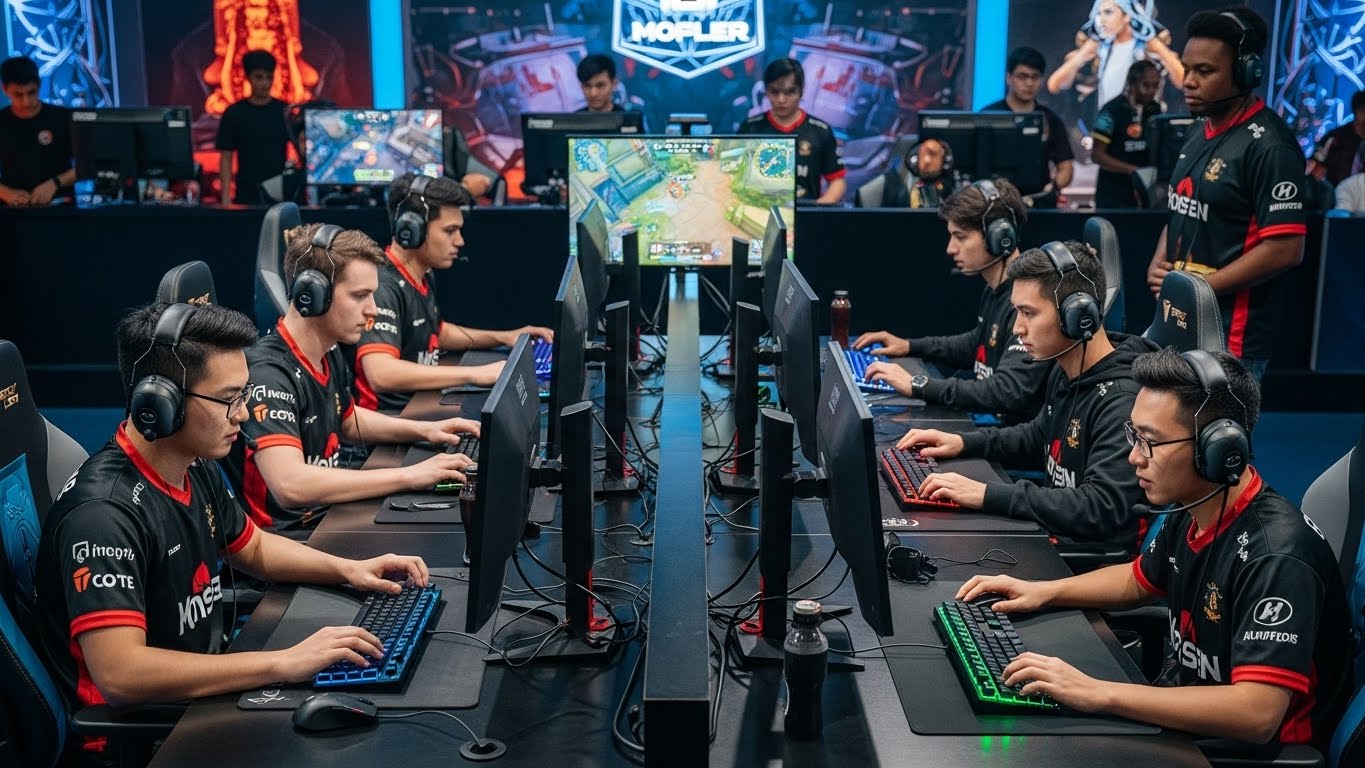
At the heart of eSports are the players. Professional gamers dedicate hours upon hours each day to practice and perfect their skills in a particular game. These players are often part of professional teams or organizations, and they compete in high-stakes tournaments for cash prizes, sponsorships, and fame. Many players start their careers at a young age and spend years honing their craft to become elite competitors.
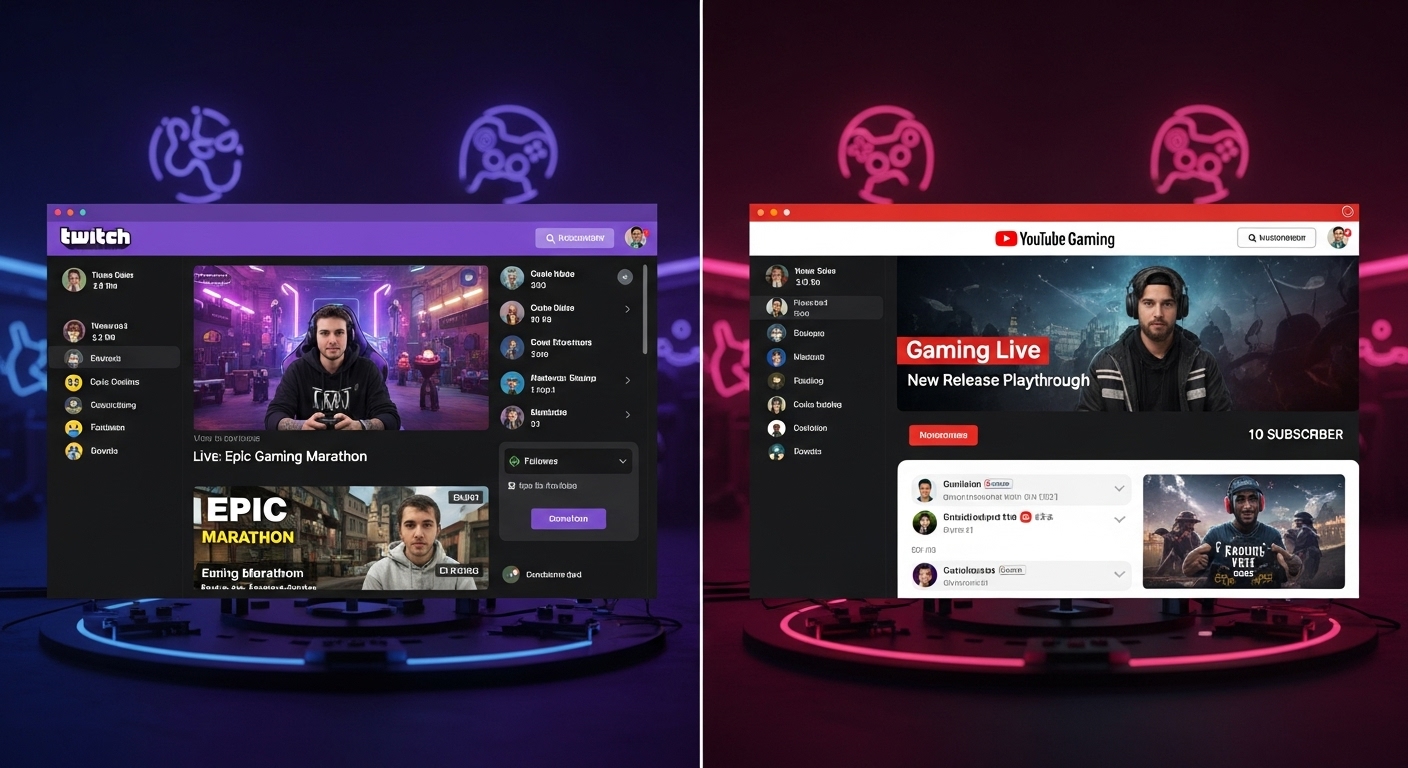
Professional eSports players are often seen as celebrities in the gaming world, attracting massive followings on social media and streaming platforms like Twitch and YouTube Gaming. Some of the most successful eSports players have achieved wealth and recognition, with players like Faker (League of Legends) and Ninja (Fortnite) becoming household names.
eSports Teams and Organizations
Just like traditional sports, eSports is organized around teams. These teams compete in professional leagues and tournaments, often representing major brands or sponsors. eSports teams are made up of several players, each specializing in different roles or positions within the game. For example, a Dota 2 team may have players who focus on farming, map control, and team fighting.
Teams in eSports are structured similarly to those in traditional sports. They have coaches, analysts, and support staff who help strategize and improve gameplay. Notable eSports organizations include Team Liquid, Fnatic, Cloud9, and T1, which field teams across various popular eSports titles. These organizations sign top-tier players and compete in domestic and international leagues.
Tournaments and Competitions
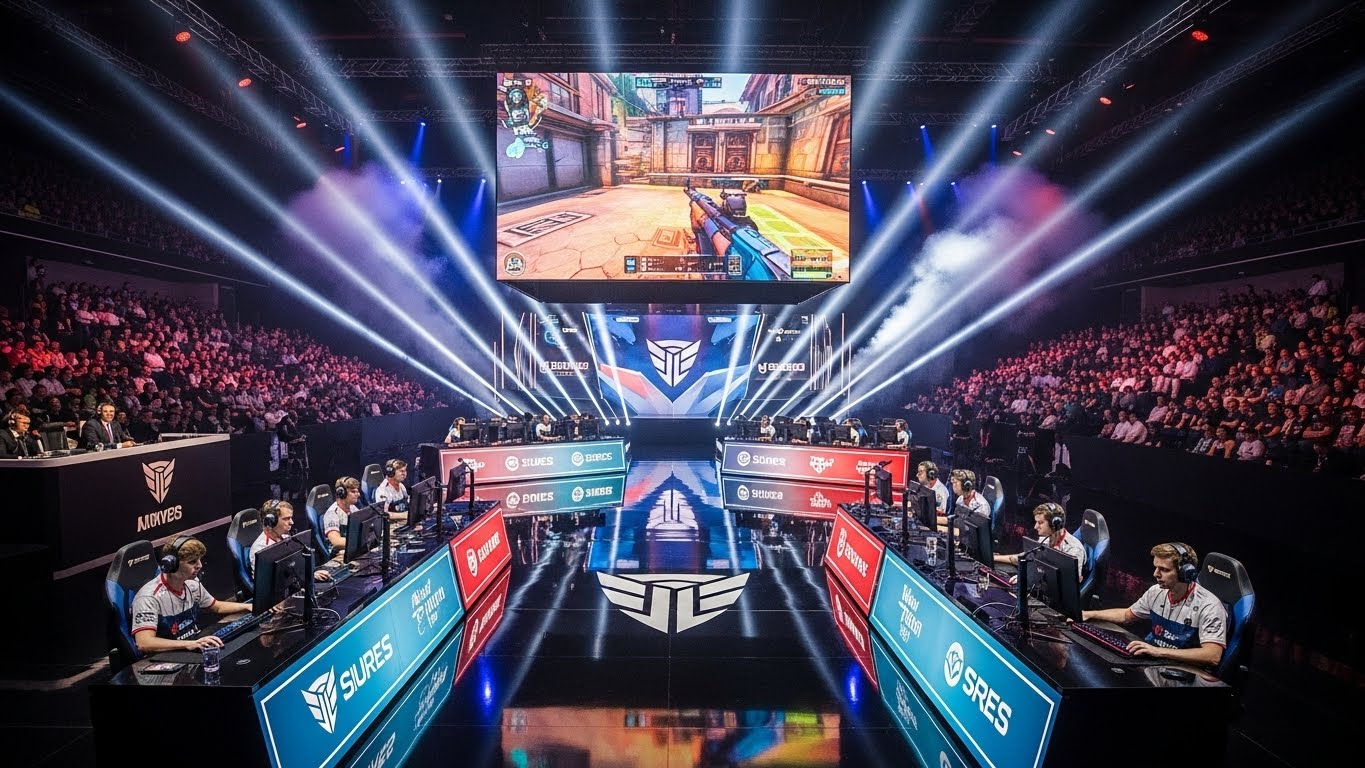
Tournaments are the lifeblood of eSports. They offer a platform for players and teams to showcase their talents and compete for lucrative prize pools. Some tournaments are held annually, while others are part of ongoing league formats.
For example, The International (Dota 2) is one of the largest annual eSports tournaments in terms of prize money, with its prize pool regularly exceeding $30 million. Similarly, the League of Legends World Championship is a marquee event that attracts millions of viewers each year.
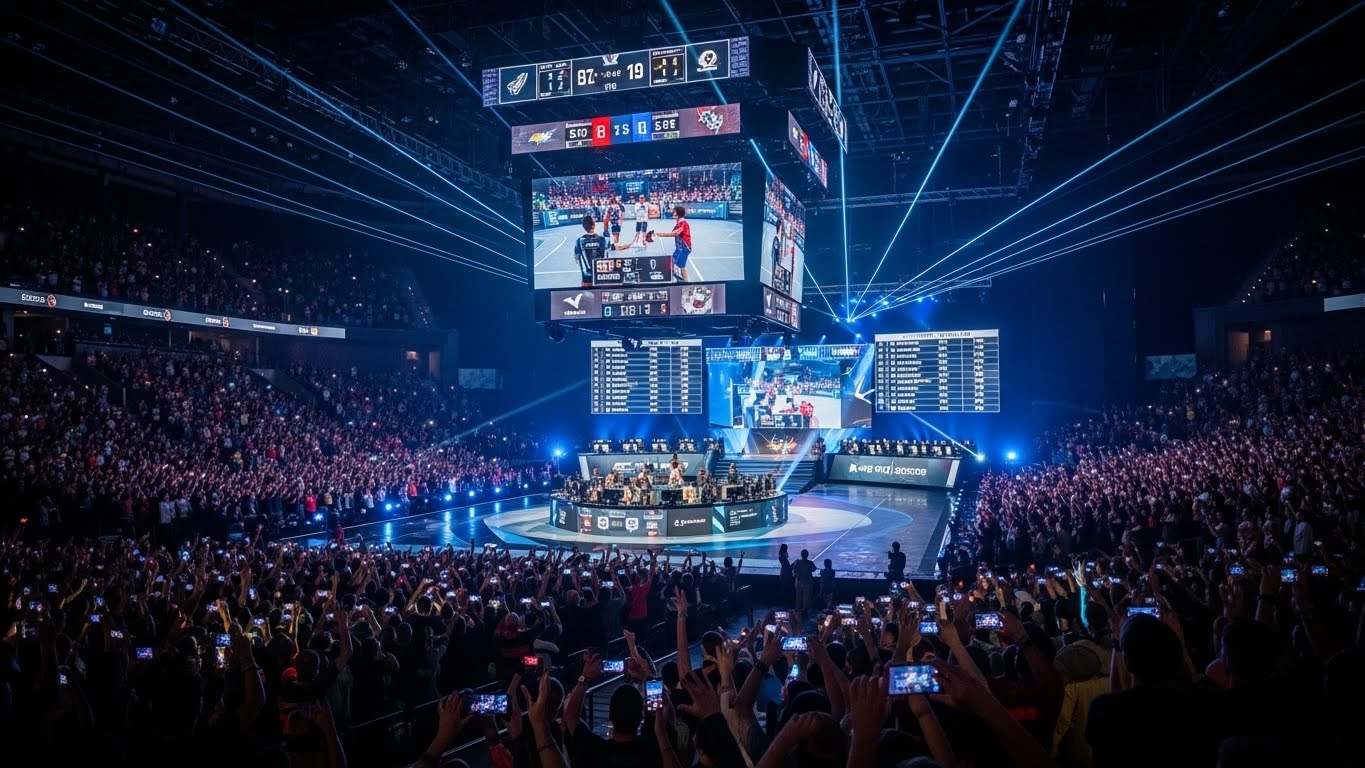
These tournaments are typically broadcasted on streaming platforms like Twitch, YouTube, and Facebook Gaming, where viewers can watch live gameplay, interact with players, and enjoy commentary from professional casters. Major eSports events are also held in large arenas, with fans attending to cheer on their favorite teams in person.
The Economic Impact of eSports
One of the key reasons eSports has garnered so much attention is the enormous economic potential it holds. From sponsorships to media rights and ticket sales, eSports is a multi-billion-dollar industry with continued growth in sight. According to Newzoo, the global eSports market is projected to exceed $1.5 billion in revenue by 2023.
Sponsorships and Brand Partnerships
Sponsorships are a major source of revenue for eSports organizations and tournaments. Leading brands in the tech, energy, and consumer goods sectors have recognized the potential of eSports to engage with a young, tech-savvy audience. Companies like Intel, Coca-Cola, and Nike have all sponsored eSports teams and events. These partnerships are not only financial but also help promote products and increase brand visibility within the gaming community.
Media Rights and Streaming
Streaming platforms like Twitch and YouTube Gaming have played a critical role in the rise of eSports. These platforms provide a space for fans to watch live matches and interact with players. In exchange for broadcasting rights, eSports organizations and tournament organizers receive significant revenue, further contributing to the industry’s growth.
Television networks are also beginning to take notice, with major outlets like ESPN and TBS broadcasting live eSports events. This has helped expand the reach of eSports and bring it into the mainstream.
Merchandise and Ticket Sales
Merchandise sales, including jerseys, hats, and other branded gear, are another revenue stream for eSports organizations. Fans are passionate about supporting their favorite teams, and they often purchase team merchandise as a way to show their loyalty.
Ticket sales for live events are also a significant source of income. With large eSports events attracting tens of thousands of attendees, ticket sales for major tournaments like The International and Overwatch League finals contribute millions of dollars to the economy.
The Cultural Impact of eSports
eSports has had a profound cultural impact, particularly among younger generations. It has helped redefine what it means to be an athlete and provided a platform for millions to engage with competitive gaming.
Changing Perceptions of Gaming
In the past, video gaming was often seen as an isolating hobby, with many people dismissing it as a waste of time. However, eSports has changed this perception by showcasing gaming as a legitimate and competitive activity. Professional gamers are now celebrated as athletes, and major eSports tournaments are broadcast to millions of viewers, much like traditional sports.
eSports as a Career
With the rise of eSports, gaming has become a viable career path. Professional players, coaches, analysts, and streamers are now earning substantial salaries and building lasting careers within the industry. Furthermore, universities are beginning to offer eSports scholarships, and dedicated eSports programs are growing at colleges and universities around the world.
This shift has inspired countless young people to pursue gaming not just as a hobby but as a potential profession. The accessibility of eSports has democratized competitive gaming, making it open to a diverse range of players from all over the world.
Global Unity and Community Building
One of the most powerful aspects of eSports is its ability to bring people together. Players, fans, and organizations from around the world can connect and communicate through eSports. Whether through online competitions, live-streamed events, or social media interactions, eSports creates a global community united by a shared love of gaming.
The Future of eSports
The future of eSports looks incredibly promising. As technology continues to advance, we can expect even more immersive and engaging experiences for both players and fans. Virtual reality (VR), augmented reality (AR), and artificial intelligence (AI) will play a significant role in shaping the next generation of competitive gaming.