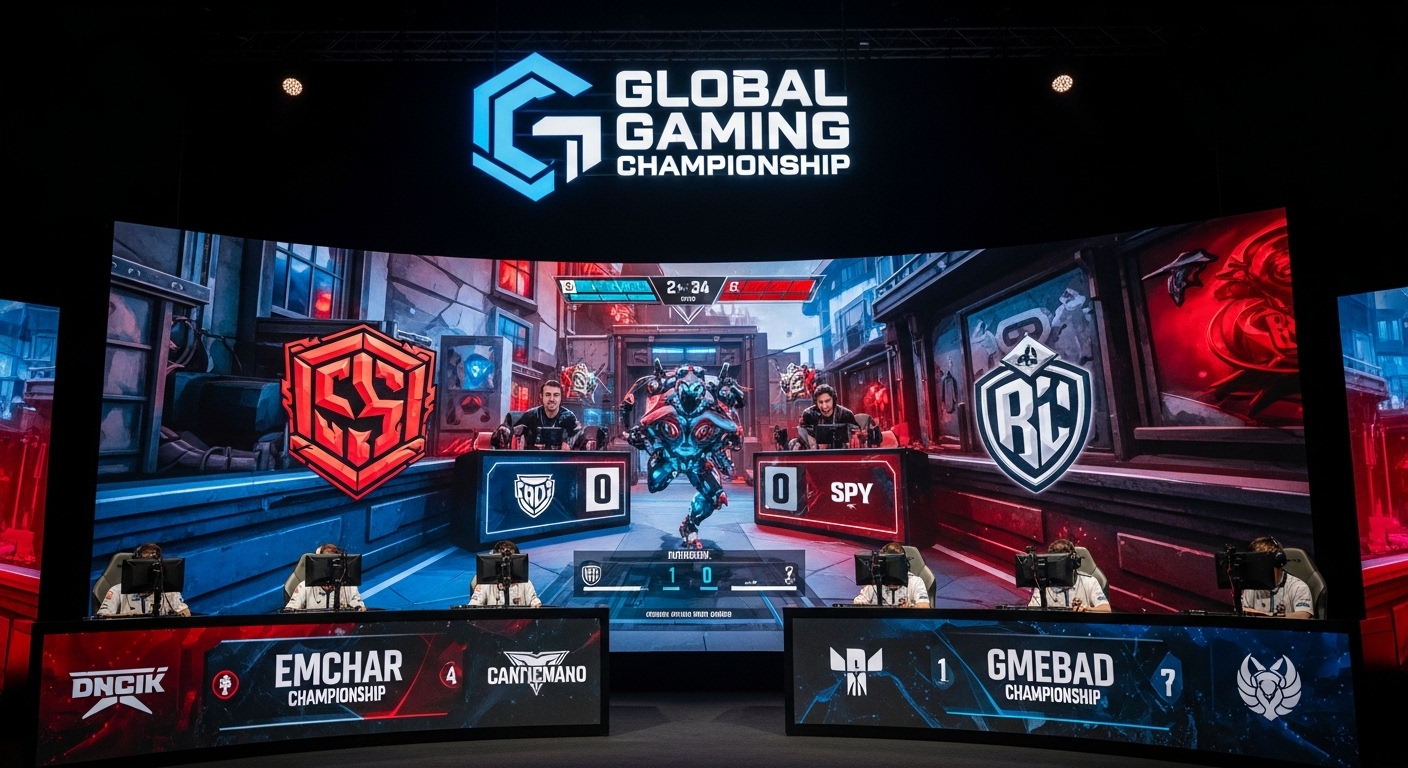
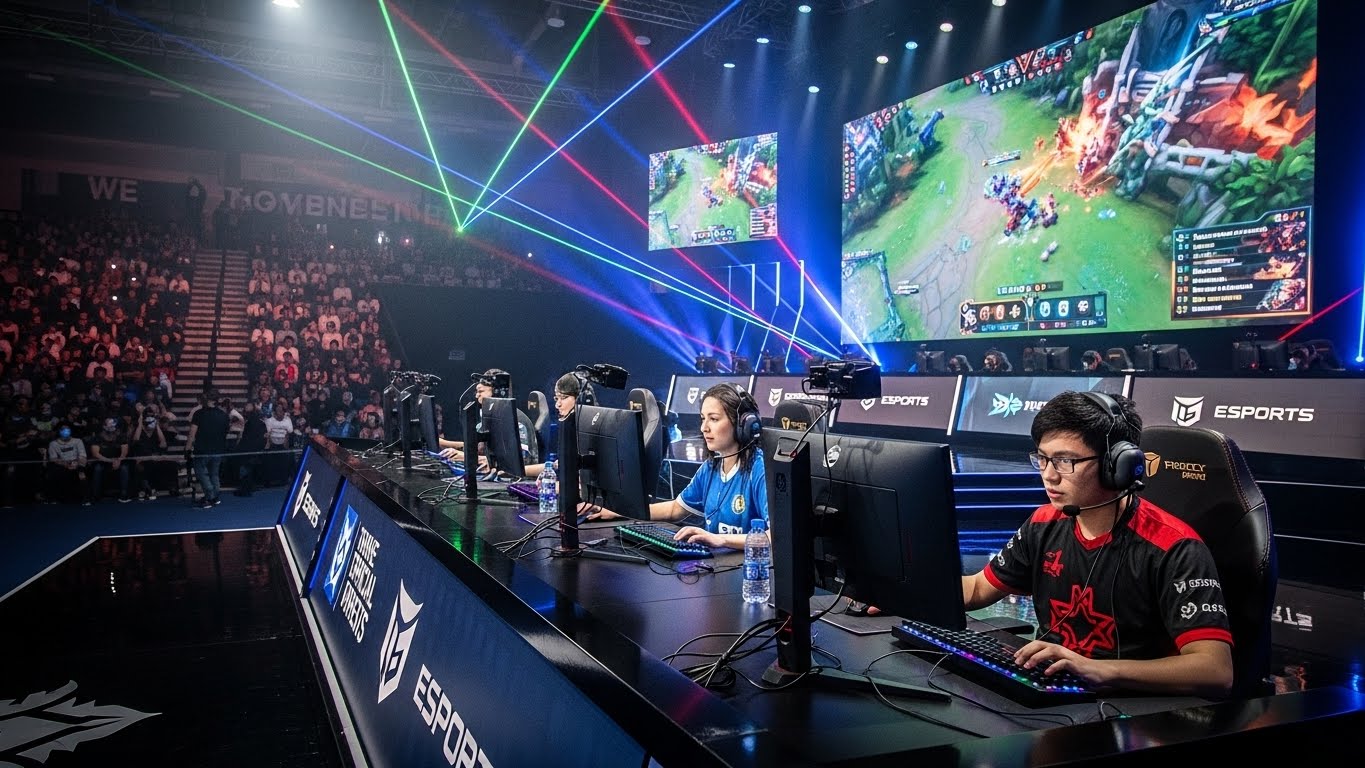
Esports, the competitive side of video gaming, has transformed from a fringe interest into a global industry. What once began as a niche hobby among a select group of gamers has now evolved into a thriving, multi-billion-dollar ecosystem that attracts millions of fans, players, and viewers worldwide. Whether it’s watching high-stakes tournaments, cheering for professional players, or participating in local competitions, esports has become a mainstream form of entertainment. In this blog post, we will explore the evolution of esports, its rapid growth, the key players and organizations involved, and the future prospects of this thrilling industry.
The Early Days of Esports: A Small Community Grows
The origins of esports can be traced back to the late 20th century when video games became more than just a form of entertainment for individuals. In the early days, competitive gaming was limited to informal LAN (Local Area Network) parties, where gamers would gather in small groups to compete in games like Quake and StarCraft. These early events were modest, often taking place in basements, dorm rooms, or cybercafés, but they created the foundation for what would later become a global phenomenon.
As technology advanced and internet speeds increased, the landscape of competitive gaming began to expand. In the late 1990s and early 2000s, the rise of broadband internet allowed gamers to compete with others online, and organized tournaments began to emerge. One of the first major international esports events was the World Cyber Games (WCG), founded in 2000. The WCG helped to formalize competitive gaming and set the stage for larger, more organized esports events. These early tournaments focused primarily on games like Counter-Strike, StarCraft, and Warcraft III.
The growth of the internet and the increasing popularity of online multiplayer games were crucial to the development of esports. At this stage, the community was still relatively small, but it was passionate and dedicated. Gamers began to form clans, compete for small prizes, and share strategies on online forums, setting the stage for the rapid rise of professional esports leagues in the years to come.
The Rise of Streaming: Connecting Gamers and Fans Worldwide
One of the most significant turning points in the growth of esports came with the advent of streaming platforms. In 2011, the launch of Twitch, a live-streaming platform specifically dedicated to gaming content, revolutionized the way esports competitions were consumed. Twitch allowed gamers to broadcast their gameplay to an audience of millions, giving fans the opportunity to watch live tournaments and competitions from the comfort of their homes.
This accessibility helped to expand esports’ reach, attracting new viewers and sponsors. Esports events that once took place in small venues began to be streamed to large audiences, with millions of people watching major tournaments online. Streaming also created a more interactive experience, as viewers could engage with players and commentators in real-time through live chats and social media. This engagement fostered a sense of community among esports fans and allowed for greater fan interaction than traditional sports offered.
As the popularity of streaming platforms grew, so did the financial investments in esports. Sponsorships from tech companies, beverage brands, and gaming equipment manufacturers began flooding in. Big-name brands recognized the potential of esports as a way to reach a young, tech-savvy audience. For example, companies like Intel, Red Bull, and Coca-Cola all began sponsoring esports tournaments and professional teams, further legitimizing esports as a viable industry.
Professionalization of Esports: Teams, Leagues, and Organizations
As esports became more popular, it began to evolve from a casual hobby to a professional industry. Professional esports teams began to form, and players started competing in structured leagues for substantial cash prizes. The competitive gaming scene began to mirror traditional sports in many ways, with players signing contracts, joining teams, and receiving salaries for their performances.
The development of professional leagues and tournaments was essential for the growth of esports. Games like League of Legends, Overwatch, and Dota 2 established formalized league structures, complete with regular seasons, playoffs, and world championships. In particular, League of Legends (LoL) became one of the biggest names in esports, attracting millions of viewers every year to its World Championship, which regularly boasts prize pools exceeding $10 million.
The formation of esports organizations like Cloud9, Team Liquid, and T1 allowed players to focus on their craft full-time, with support staff like coaches, analysts, and psychologists helping to improve performance. These teams became brands in their own right, attracting sponsorships, merchandise deals, and even streaming contracts for their players.
Esports also gained legitimacy as it began to be recognized by established sports organizations. For instance, in 2018, the Overwatch League (OWL) launched with a city-based franchise model, similar to the structure of traditional sports leagues like the NFL and NBA. This innovative model was a major step forward in professionalizing esports and attracting a broader audience, as it provided teams with stable funding and a clear competitive structure.
The Role of Content Creators: Shaping the Esports Community
While professional players and teams take center stage in competitive gaming, content creators have played an equally important role in shaping the esports community. Streamers, YouTubers, and influencers have helped spread the word about esports and foster a global community of fans. These content creators produce a wide variety of content, from gameplay commentary and strategy guides to reaction videos and esports highlights.
The rise of content creators has been integral to building the esports ecosystem. Many top esports personalities, like Ninja (Tyler Blevins) and Shroud (Michael Grzesiek), transitioned from casual streamers to global celebrities. They gained massive followings by showcasing their skills, interacting with fans, and creating entertaining content. As their popularity grew, they became some of the highest-paid influencers in the gaming world, with lucrative sponsorships and endorsement deals.
Beyond individual streamers, esports organizations have also embraced content creation. Teams and sponsors use social media platforms like Twitter, Instagram, and TikTok to share updates, behind-the-scenes content, and promotional material. This constant flow of content helps to keep fans engaged between tournaments and creates a sense of connection with players and teams.
As content creators continue to shape the culture of esports, it’s clear that their influence goes beyond the games themselves. Their personalities, brand-building efforts, and engagement with fans have contributed to the overall growth and mainstream acceptance of esports.
The Global Impact of Esports: Expanding Beyond Borders
One of the most fascinating aspects of esports is its global appeal. Unlike traditional sports, which may have regional popularity, esports transcends borders and language barriers. Thanks to the internet, esports fans can tune in to events from any part of the world, and top players can compete against each other regardless of their location.
Esports has become particularly popular in countries like South Korea, China, the United States, and Europe. In South Korea, for instance, esports is deeply ingrained in the national culture, with games like StarCraft and League of Legends becoming household names. Similarly, China has seen explosive growth in esports, with companies like Tencent investing heavily in game development and tournament organization. The global appeal of esports has led to the formation of international leagues, cross-border tournaments, and online competitions that allow players from different countries to face off in exciting, high-stakes matchups.
Furthermore, esports has become a source of pride for many countries, with national teams representing their regions in international competitions. The Esports World Championship and the World Cyber Games are just a few examples of global events where players from all over the world compete for glory. Esports has even been considered for inclusion in the Olympic Games, a testament to its growing influence and widespread recognition.
The Future of Esports: Innovation, Integration, and Sustainability
As esports continues to grow, its future looks incredibly promising. One of the most exciting developments is the potential integration of new technologies. Virtual reality (VR) and augmented reality (AR) have the potential to change the way esports are played and experienced. Imagine competing in a virtual arena where players can interact with the environment, or watching a tournament where you can choose your perspective and immerse yourself in the action.
Moreover, esports is likely to continue evolving as mobile gaming rises in prominence. Mobile games like PUBG Mobile and Call of Duty Mobile have introduced new audiences to competitive gaming, especially in regions like Southeast Asia. These games have a more casual feel but are still competitive, allowing players to participate in global tournaments without needing high-end gaming PCs or consoles. Mobile esports is expected to see significant growth in the coming years.
As esports grows in stature, the industry will also need to focus on sustainability. With the increasing number of players, tournaments, and events, it is essential to address issues such as player health, mental well-being, and fair competition. Esports organizations and governing bodies are already taking steps to provide players with resources to manage the physical and mental challenges that come with professional gaming. Player unions and regulatory bodies are also beginning to form to ensure the fair treatment of players and the integrity of the competitions.
Conclusion: Esports—A Thriving Industry with Limitless Potential
Esports has come a long way since its humble beginnings in local LAN parties. Today, it stands as one of the most rapidly growing and exciting industries in the world, with millions of fans, professional players, and global events. The rise of streaming, professionalization, content creation, and global competition has helped esports reach unprecedented levels of popularity, and the future looks bright with continued technological innovations, global expansion, and sustainability efforts.