Esports, or competitive gaming, has grown exponentially over the past few decades, transforming from a niche hobby into a global cultural and economic powerhouse. What started as small-scale competitions in arcades and universities has now evolved into a professional industry attracting millions of viewers, multi-million-dollar prize pools, and globally recognized players. Beyond entertainment, esports has become a platform for skill, strategy, and innovation, bridging technology, culture, and sport. This blog explores the rise of esports, its impact on society, the skills it develops, and why it continues to captivate audiences worldwide.
The Early Beginnings of Esports
The origins of esports can be traced back to the late 1970s and early 1980s. Early video game competitions revolved around high scores in games like Pong, Space Invaders, and Pac-Man. These competitions were small but passionate, laying the groundwork for more organized events. By the 1990s, esports had evolved with the emergence of multiplayer PC games such as Quake, StarCraft, and Counter-Strike. LAN tournaments allowed players to compete face-to-face, introducing structured rules, ranking systems, and even cash prizes.
These early competitions demonstrated that gaming could be more than casual entertainment. They highlighted the potential for skill-based, competitive environments where strategy, teamwork, and dedication determined success. This foundation paved the way for the professional esports industry we see today.
Technological Advancements Fueling Esports Growth
Esports owes much of its growth to advances in technology. The widespread availability of high-speed internet, powerful gaming hardware, and online platforms enabled players to compete globally in real-time. These developments removed geographic barriers, allowing communities to form around shared gaming interests.
Streaming platforms such as Twitch and YouTube Gaming revolutionized esports by connecting players with millions of viewers. Fans can now watch live matches, interact with commentators, and follow professional teams from anywhere in the world. This accessibility has transformed esports into a participatory experience, blending entertainment, social interaction, and competitive spirit.
Popular Esports Genres and Their Appeal
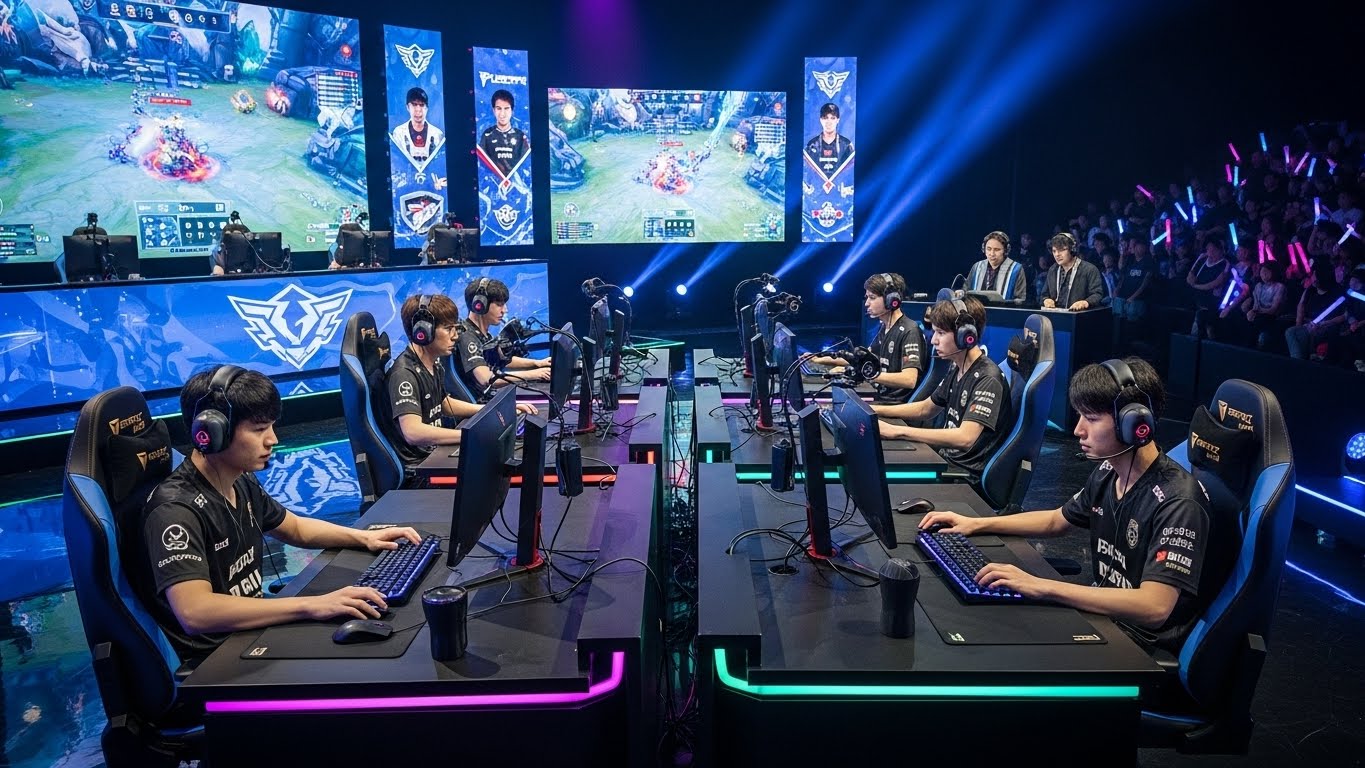
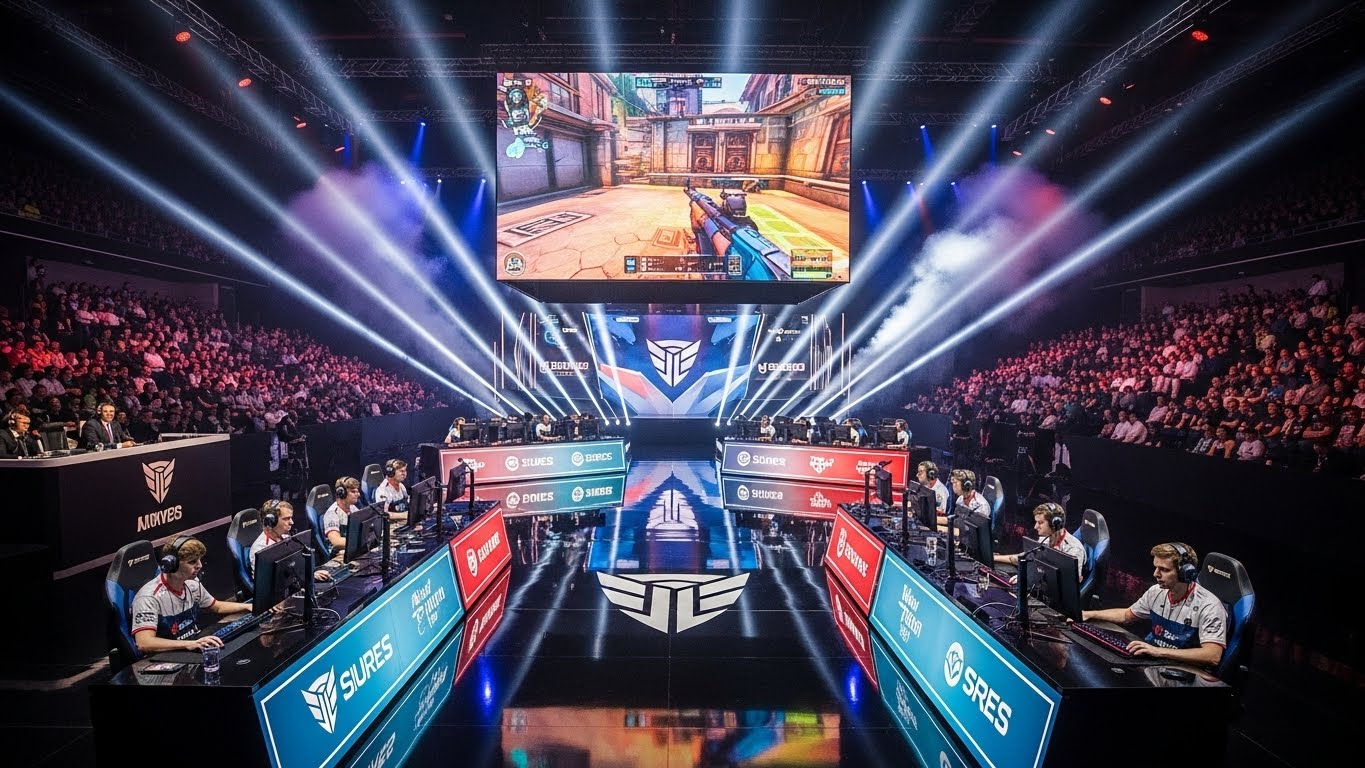
Esports encompasses a wide variety of game genres, each demanding specific skills and strategies. Multiplayer Online Battle Arena games like League of Legends and Dota 2 emphasize teamwork, coordination, and tactical planning. First-Person Shooter games such as Counter-Strike: Global Offensive and Call of Duty require precision, quick reflexes, and situational awareness. Other genres include fighting games, real-time strategy, sports simulations, and racing games, each attracting dedicated fanbases.
Players often specialize in a particular game or genre to master its mechanics and strategies. This specialization allows professional players to innovate and develop unique styles, raising the level of competition and engagement for audiences. The diversity of games ensures that esports caters to a broad range of interests, appealing to both casual fans and hardcore enthusiasts.
The Professionalization of Esports
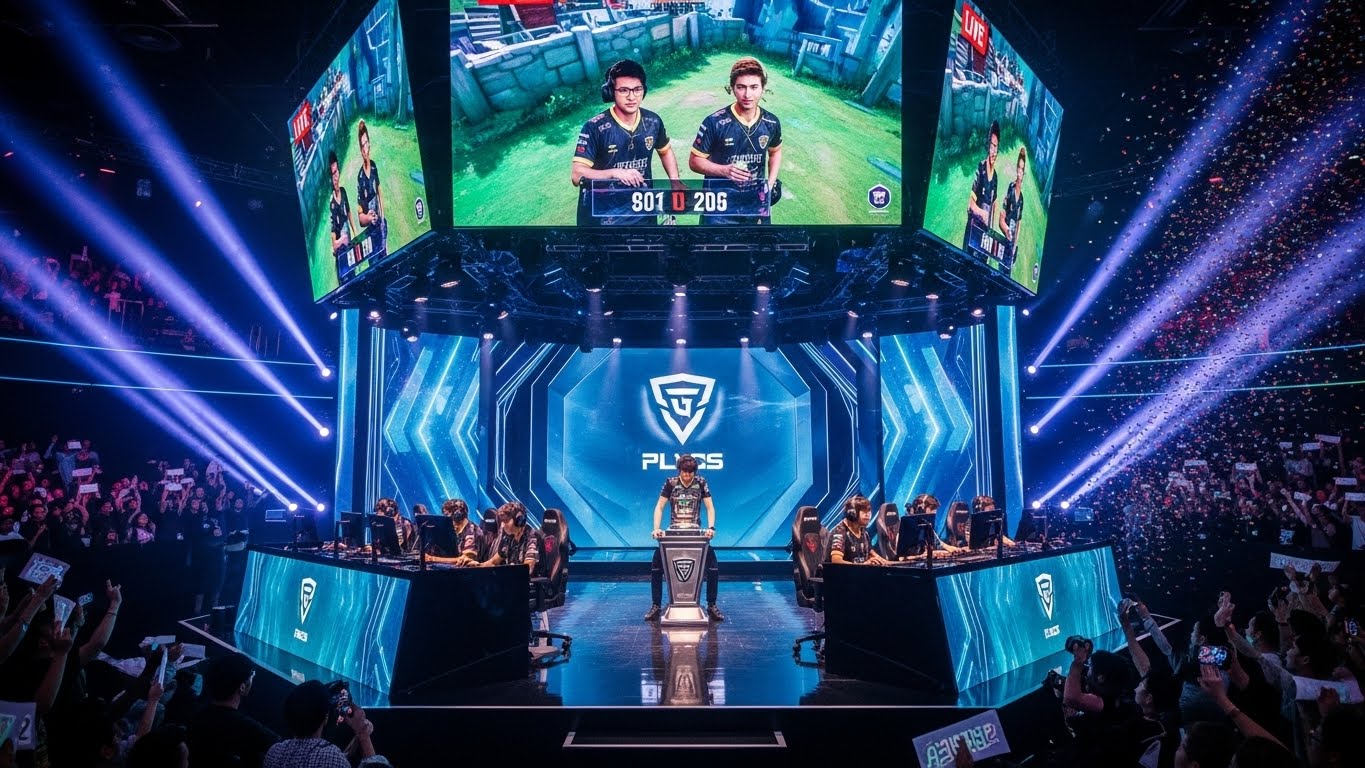
Esports has grown into a structured professional industry, with leagues, teams, sponsorships, and coaching staff. Major tournaments now offer prize pools in the millions, attracting elite players from around the world. Leagues such as the League of Legends Championship Series, Overwatch League, and Dota 2’s The International have introduced infrastructure similar to traditional sports, including contracts, team management, and training facilities.
The professionalization of esports also creates opportunities beyond playing. Analysts, commentators, content creators, event organizers, and marketers are integral to the ecosystem, contributing to its growth and providing sustainable careers. This professional framework has elevated esports from hobbyist competition to a serious and recognized global industry.
Mental and Physical Skills in Esports
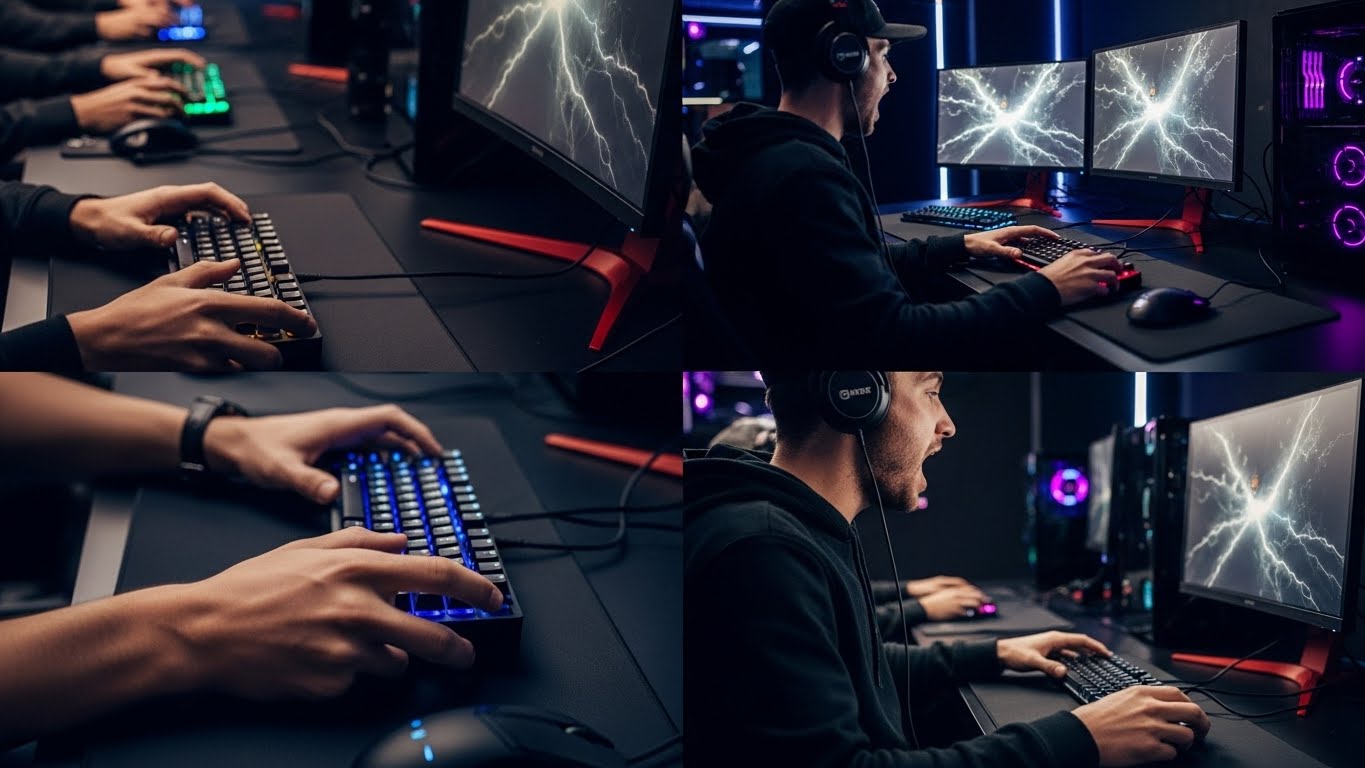
Contrary to popular belief, esports demands both mental and physical capabilities. Players must possess strategic thinking, quick decision-making, situational awareness, and teamwork. High-level competition requires intense focus, adaptability, and resilience under pressure.
Physical fitness is equally important. Many professional players maintain exercise routines to enhance reflexes, prevent fatigue, and reduce repetitive strain injuries such as carpal tunnel syndrome. Proper nutrition, sleep, and ergonomic setups are critical for sustained performance. Esports is therefore a discipline that combines cognitive acuity, strategic execution, and physical endurance.
Esports as a Global Phenomenon
Esports has cultivated a massive global audience. Millions of fans watch live events, stream content online, and engage in discussions on social media. The industry has created a shared culture that extends beyond games, influencing music, fashion, and entertainment.
Fan engagement is a hallmark of esports culture. Spectators participate in tournaments virtually, follow team strategies, and celebrate victories in real time. Esports events now rival traditional sports in terms of attendance and viewer engagement, highlighting its position as a mainstream cultural phenomenon.
Esports and Education
Esports has increasingly found a place in educational institutions. Schools and universities worldwide are offering esports programs, scholarships, and clubs, recognizing competitive gaming as a tool for skill development. Participation teaches teamwork, communication, leadership, and problem-solving.
In addition, esports encourages discipline, time management, and critical thinking, all transferable to academic and professional pursuits. Integrating esports into education provides students with avenues to develop both personal and professional skills while pursuing their passion for gaming.
Health and Wellbeing in Esports
While esports has many benefits, it also presents health challenges. Extended gaming sessions can lead to eye strain, poor posture, and repetitive stress injuries. Mental health concerns such as stress, burnout, and anxiety are also prevalent among professional players.
To address these issues, organizations emphasize balanced routines that incorporate physical activity, mindfulness, and structured practice schedules. Awareness of health and wellness is crucial for long-term success, ensuring players maintain peak performance while safeguarding their physical and mental wellbeing.
Women in Esports
The participation of women in esports is growing, challenging long-standing gender norms. Female players, commentators, and content creators are gaining recognition, inspiring more inclusivity within the industry. Initiatives supporting women in gaming provide mentorship, resources, and visibility, encouraging broader participation.
Diversity strengthens the esports ecosystem. Representation of women introduces varied perspectives, strategies, and creativity, enriching the competitive environment and inspiring future generations of gamers.
Economic Impact of Esports
Esports is now a significant economic driver. Revenue streams include sponsorships, advertising, merchandising, broadcasting rights, and ticket sales. Large tournaments attract global brands, while streaming platforms generate income through subscriptions and ad revenue.
Beyond tournaments, esports supports industries such as hardware and software development, event management, marketing, and media production. This dynamic ecosystem provides thousands of jobs, demonstrating that esports is not only a cultural phenomenon but also a powerful economic force.
The Future of Esports
The future of esports looks promising. Emerging technologies like virtual reality, augmented reality, and artificial intelligence are expected to redefine gameplay and enhance audience engagement. Mobile esports is rapidly expanding, particularly in regions with widespread smartphone access, making competitive gaming more accessible than ever.
Esports may increasingly integrate with traditional sports and mainstream entertainment. Hybrid events, collaborations, and media partnerships will enhance visibility, legitimacy, and profitability. As the industry matures, standardization, professional development, and ethical regulations will ensure sustainable growth, solidifying esports as a permanent fixture in global culture.
Conclusion: Esports as a Cultural and Competitive Force
Esports has evolved from a casual hobby into a global cultural and professional phenomenon. It challenges traditional definitions of sport, combining mental agility, strategic thinking, and physical skill. The industry provides career opportunities, inspires communities, and generates significant economic impact.
More than just games, esports represents a cultural movement that celebrates creativity, skill, and global connectivity. Its growth demonstrates the transformative power of technology, innovation, and human passion. Embracing esports means recognizing the dedication and skill of players while acknowledging competitive gaming as a legitimate and influential force shaping the future of sports, entertainment, and culture.