Esports, short for electronic sports, has grown from a small hobby into a global phenomenon that rivals traditional sports in both popularity and revenue. Once dismissed as “just playing video games,” esports has evolved into a multi-billion-dollar industry with professional leagues, sponsorships, tournaments, and a dedicated fan base. The rise of esports reflects not only technological advancements but also cultural shifts in how people consume entertainment and engage in competition. This article explores the origins, growth, impact, and future of esports in a rapidly changing world.
The Origins of Esports
The roots of esports date back to the late 1970s and 1980s, when arcade competitions became popular in the United States and Japan. Games like “Space Invaders” and “Pac-Man” attracted local players competing for high scores. The concept of organized gaming competitions expanded with home consoles, allowing players to compete in their own living rooms.
The 1990s marked a major turning point. Multiplayer PC games such as “Quake” and “StarCraft” introduced competitive elements that required strategy, skill, and teamwork. Players could now compete against each other over local networks and, later, the internet. South Korea became a pioneering hub for esports, with televised competitions and professional teams gaining mainstream recognition. This period proved that competitive gaming could evolve beyond casual entertainment into a serious, skill-based pursuit.
The Explosion of Popular Esports Titles
Today, esports encompasses a wide range of genres, each attracting its own community and competitive scene. Multiplayer online battle arenas, or MOBAs, like “League of Legends” and “Dota 2” dominate international tournaments with millions of viewers. First-person shooters such as “Counter-Strike: Global Offensive” and “Call of Duty” showcase fast-paced tactical gameplay and high-stakes competition. Battle royale games, including “Fortnite” and “PUBG,” introduced spectator-friendly formats that appeal to younger audiences.
Sports simulation games also play a significant role in esports. Games like “FIFA” and “NBA 2K” allow players to replicate real-world sports digitally, combining strategy, timing, and coordination. Each title has its own unique mechanics, strategies, and professional scene, contributing to the diversity and depth of the esports industry.
Professionalization of Esports
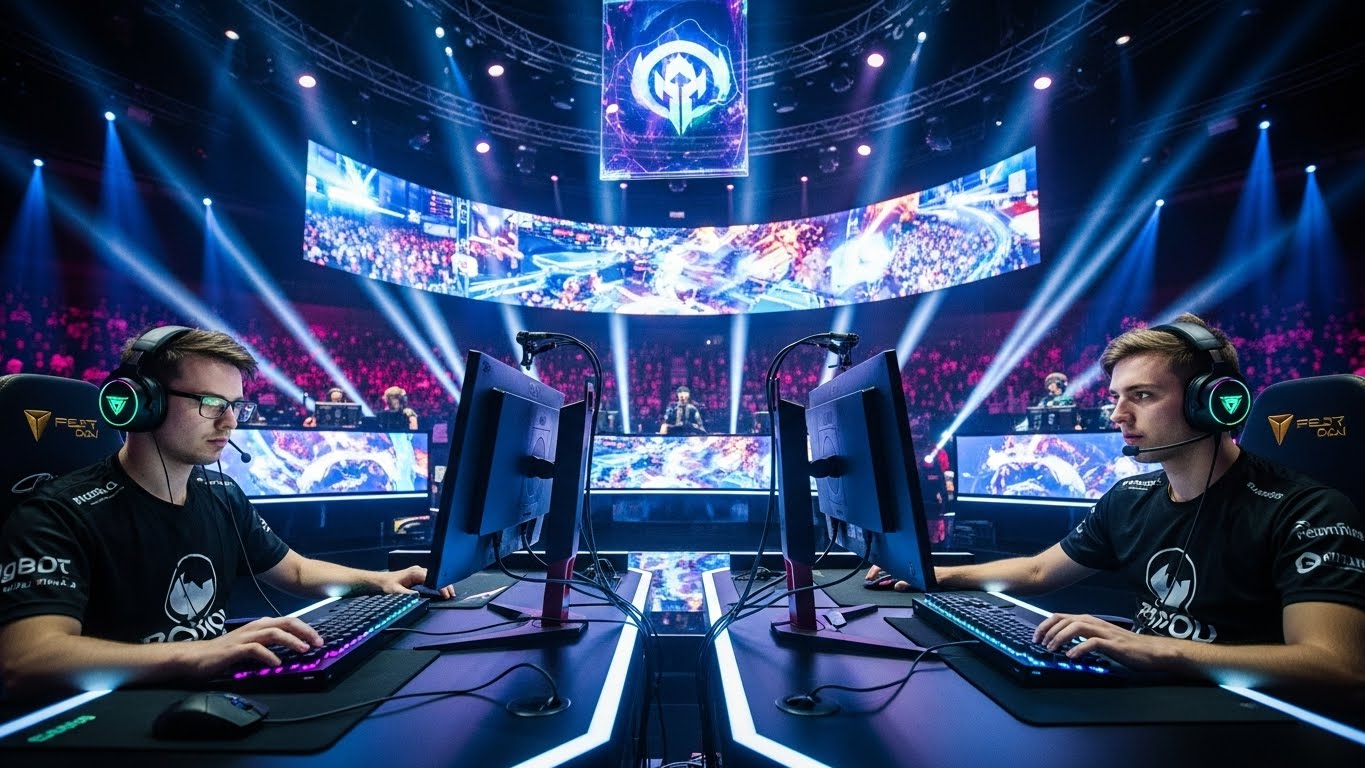
Esports has transformed into a legitimate career path for many individuals. Professional players train rigorously, often dedicating six to ten hours a day to practice. Teams hire coaches, analysts, nutritionists, and support staff to optimize performance, emphasizing the professional nature of competitive gaming.
Career opportunities extend beyond playing. Commentators, event organizers, content creators, and game developers contribute to the growing ecosystem. Sponsorship deals, merchandise, and tournament winnings provide additional revenue streams. The professionalization of esports has elevated its status, making it a viable career comparable to traditional sports.
Streaming and the Rise of Online Audiences
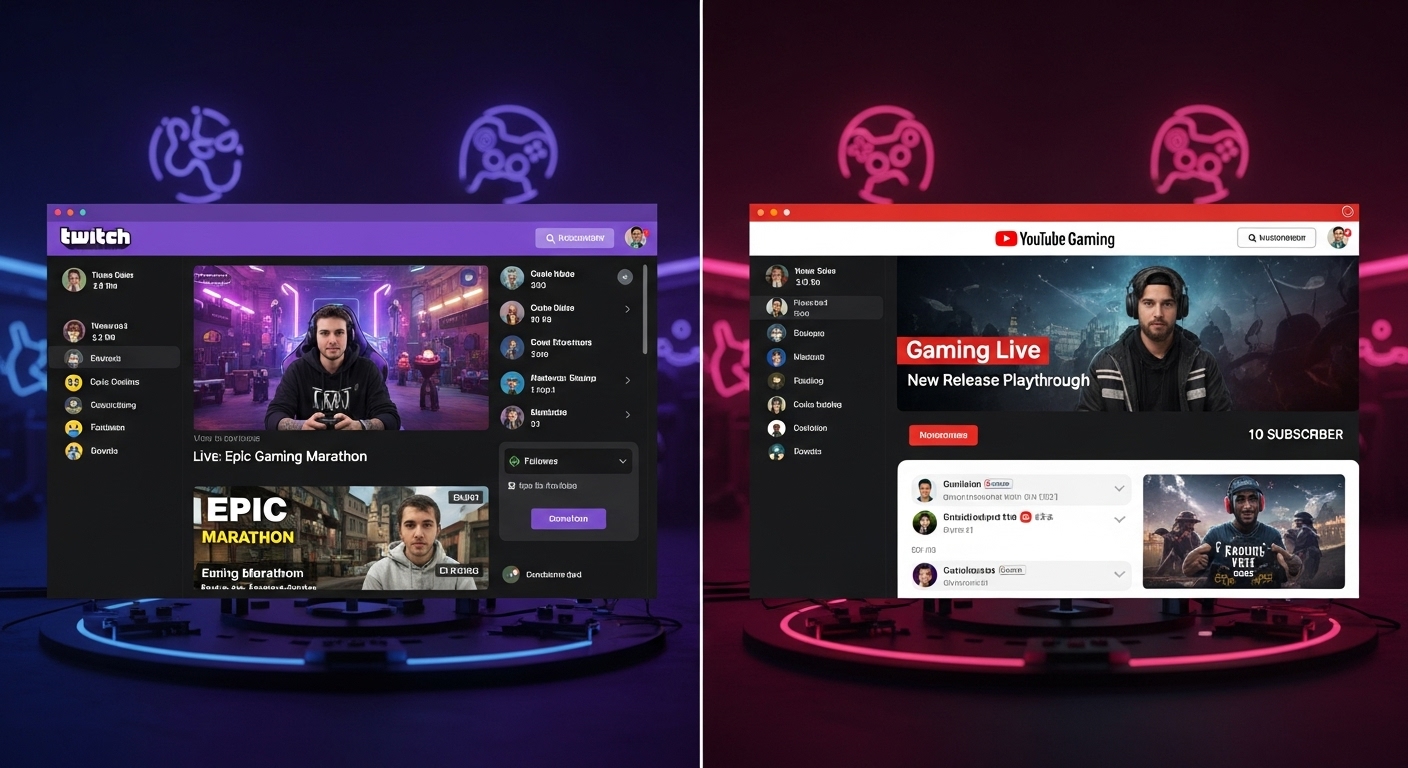
Streaming platforms have been instrumental in the growth of esports. These platforms allow players to broadcast live gameplay, creating interactive experiences for fans. Viewers can engage directly through chat, donations, and participation in online communities. Streaming has transformed spectators into active participants, fostering strong relationships between players and audiences.
Content creation also plays a vital role. Highlight reels, tutorials, behind-the-scenes documentaries, and live commentary help fans connect with the games and players. This content ecosystem has turned esports into a cultural phenomenon, creating celebrities and influencers who shape trends and inspire new competitors.
Major Tournaments and Global Fan Culture
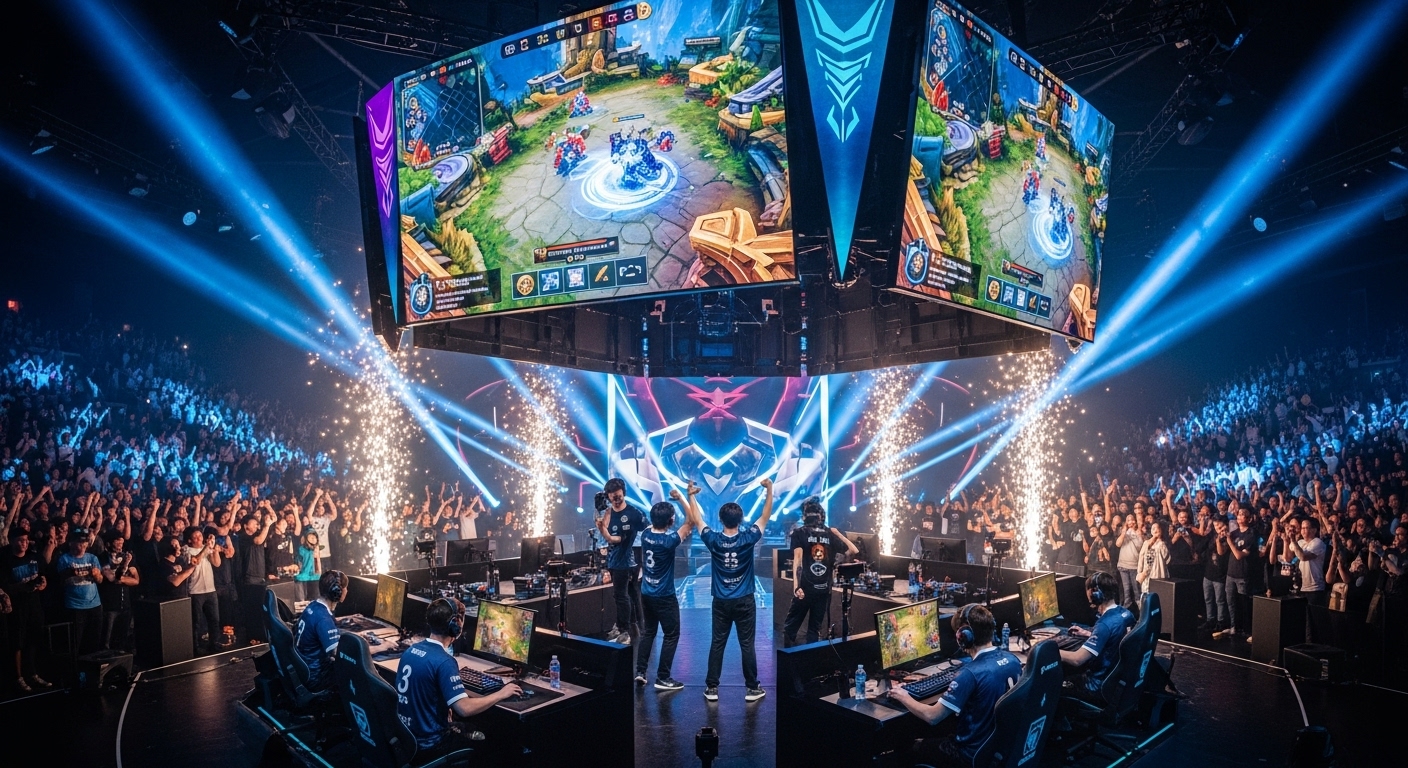
Esports tournaments have grown into large-scale events held in stadiums, arenas, and online platforms. Championships like the League of Legends World Championship, The International for Dota 2, and the Fortnite World Cup offer prize pools in the millions, rivaling traditional sports events. These tournaments attract both live and online audiences, creating a sense of excitement and community among fans.
Fan culture in esports is vibrant and interactive. Fans support their favorite teams, engage in online discussions, and even cosplay as characters from games. Merchandise, social media, and community events strengthen connections between players and audiences, creating a fully immersive entertainment ecosystem that extends beyond the games themselves.
Technological Advancements Fueling Growth
Advances in technology have been crucial in driving the esports boom. High-speed internet, powerful gaming hardware, and streaming software have made competitive gaming accessible worldwide. Virtual reality and augmented reality technologies are beginning to create more immersive experiences for both players and spectators.
Data analytics also play an essential role in professional esports. Teams analyze performance statistics, develop strategies, and predict opponents’ moves using sophisticated tools. This integration of technology and analytics mirrors traditional sports, reinforcing esports as a highly skill-based and strategic form of competition.
Economic Impact of Esports
Esports has become a significant economic force. Revenue comes from sponsorships, advertising, media rights, ticket sales, and merchandise. Companies invest heavily in esports marketing to reach younger audiences who consume traditional media less frequently.
The industry also generates jobs in event management, technology, marketing, and content creation. Cities hosting major tournaments benefit from increased tourism, infrastructure development, and global attention. As the industry continues to expand, its economic influence on global markets is expected to grow even further.
Challenges Facing Esports
Despite its rapid growth, esports faces several challenges. Player burnout and mental health issues are common due to long hours of training, high pressure, and competitive stress. Addressing these concerns requires better support systems, including counseling, structured schedules, and health resources.
Diversity and inclusivity are additional challenges. Although progress has been made, representation of women and minority groups remains limited in professional esports. Creating equal opportunities and fostering an inclusive environment are crucial for the sustainable growth of the industry.
The Future of Esports
The future of esports is promising, with innovations and mainstream recognition driving continued growth. Virtual reality tournaments, AI-driven analytics, and cross-platform competitions may redefine how audiences engage with games.
Educational institutions are beginning to recognize esports as a legitimate field. Universities offer scholarships for esports athletes, and specialized academies train students in gaming skills, strategy, and professional conduct. These initiatives demonstrate that esports is not a passing trend but a sustainable industry with long-term opportunities.
Esports and Society
Esports is more than just a form of entertainment; it is shaping social and cultural norms. Online communities foster collaboration, strategy, and teamwork. Players learn discipline, time management, and communication skills, all of which have applications beyond gaming. Esports is also bridging geographical gaps, allowing individuals from different countries to compete and connect in ways that traditional sports sometimes cannot.
Conclusion: Esports as a Cultural Phenomenon
Esports has transformed competitive entertainment, offering a dynamic, interactive, and globally accessible alternative to traditional sports. From humble beginnings in arcades to stadium-filling international tournaments, esports has proven that digital competition can be serious, exciting, and highly professional.
With advancements in technology, growing economic influence, and expanding fan culture, esports is positioned to remain a major force in entertainment for years to come. While challenges such as mental health, diversity, and sustainability persist, the industry’s trajectory is clear: esports is not just a game. It is a cultural revolution, redefining how people play, watch, and engage with competitive entertainment around the world.
The world of esports continues to evolve, creating opportunities for players, fans, and communities. As technology and creativity intersect, esports represents a unique blend of skill, strategy, and cultural significance. It is more than digital competition; it is a global movement that is changing the way we perceive sports, entertainment, and human connection.