In a world where digital experiences are increasingly becoming central to our daily lives, one industry has been rapidly gaining momentum: esports. Once considered a niche activity for hardcore gamers, esports has grown into a global phenomenon. It has transformed the way we perceive video games, elevating them from a pastime to a full-fledged competitive sport with millions of dollars in prize pools, massive global audiences, and professional athletes. What was once a subculture has now evolved into a thriving industry, and it’s shaping the future of entertainment. This blog post delves into the rise of esports, its cultural impact, economic significance, and the factors driving its growth.
The Origins of Esports: From Casual Play to Professional Competition
Esports, short for “electronic sports,” refers to competitive video gaming where players or teams compete in organized tournaments or leagues. The concept of competitive gaming has existed since the early days of video games, but it was in the late 1990s and early 2000s that the esports scene began to take shape. Games like StarCraft, Warcraft III, and Quake laid the foundation for competitive play, with tournaments attracting dedicated players and building the first esports communities.
In the beginning, esports competitions were largely local or regional events, often taking place in LAN (Local Area Network) cafes where players gathered to compete in real-time. These events were small, with modest prize pools, but they were the first taste of what would later explode into a global industry. The rise of the internet and faster broadband connections allowed for larger online tournaments, giving way to global competitions that reached audiences far beyond the original gaming hubs in Asia and Europe.
The early 2000s also marked the birth of some of the most important esports organizations and tournaments. The creation of Major League Gaming (MLG) in the United States and the rise of South Korean esports leagues helped formalize the structure of competitive gaming. In South Korea, games like StarCraft became national obsessions, with professional players regarded as celebrities. This cultural shift paved the way for the global growth of esports, culminating in the massive tournaments and sponsorships we see today.
The Global Expansion of Esports: A Cultural Phenomenon
The appeal of esports is truly global. While the industry began in regions like South Korea and North America, its reach has expanded across continents. From Europe to Southeast Asia, Latin America to the Middle East, esports has grown in popularity, attracting a diverse, dedicated fanbase. What makes esports so unique is its ability to unite people from different cultures through a shared love of gaming.
One of the most pivotal moments in the internationalization of esports came with the launch of major games that appealed to global audiences. Titles like League of Legends, Dota 2, and Counter-Strike: Global Offensive (CS: GO) not only introduced accessible gameplay mechanics but also created systems that enabled seamless online play and large-scale tournaments. These games laid the groundwork for esports’ transition from hobbyist competitions to professional sports leagues.
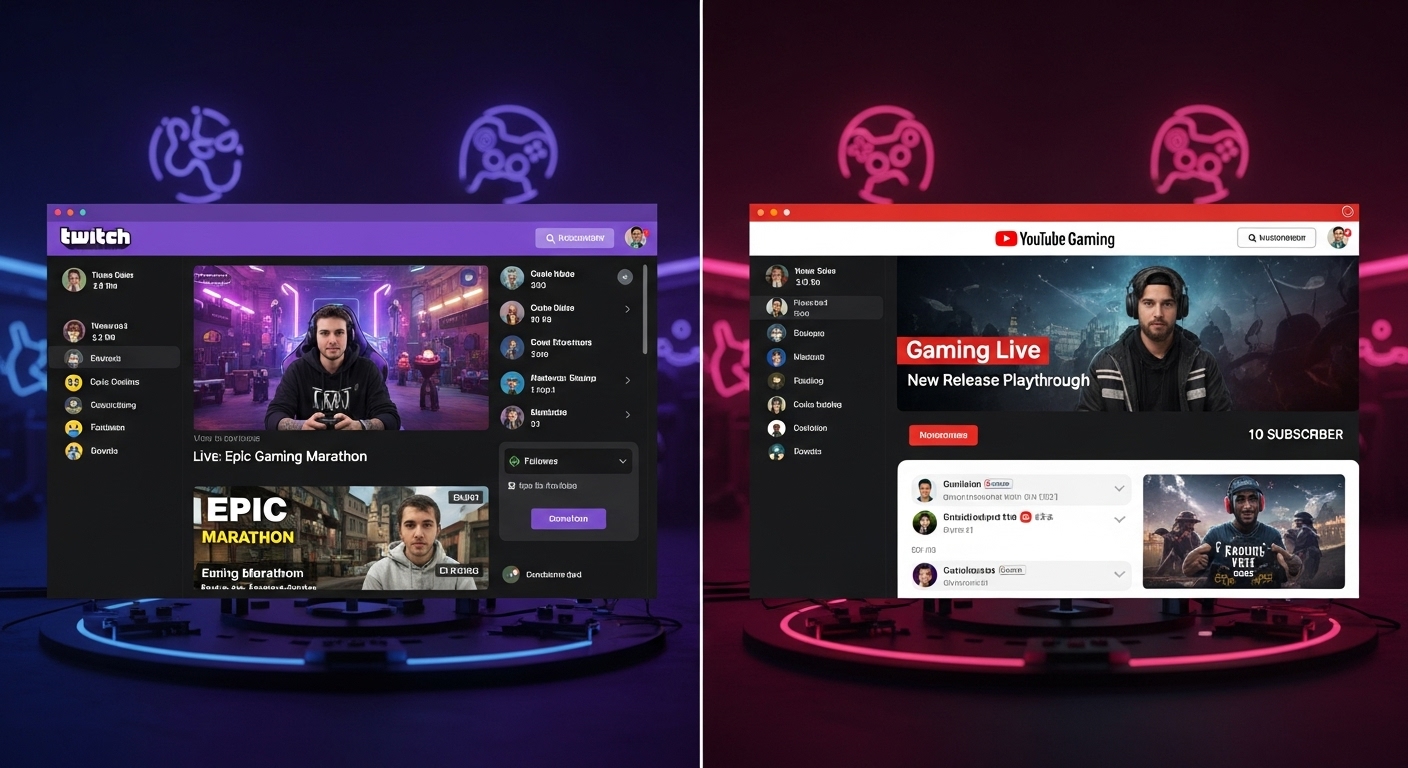
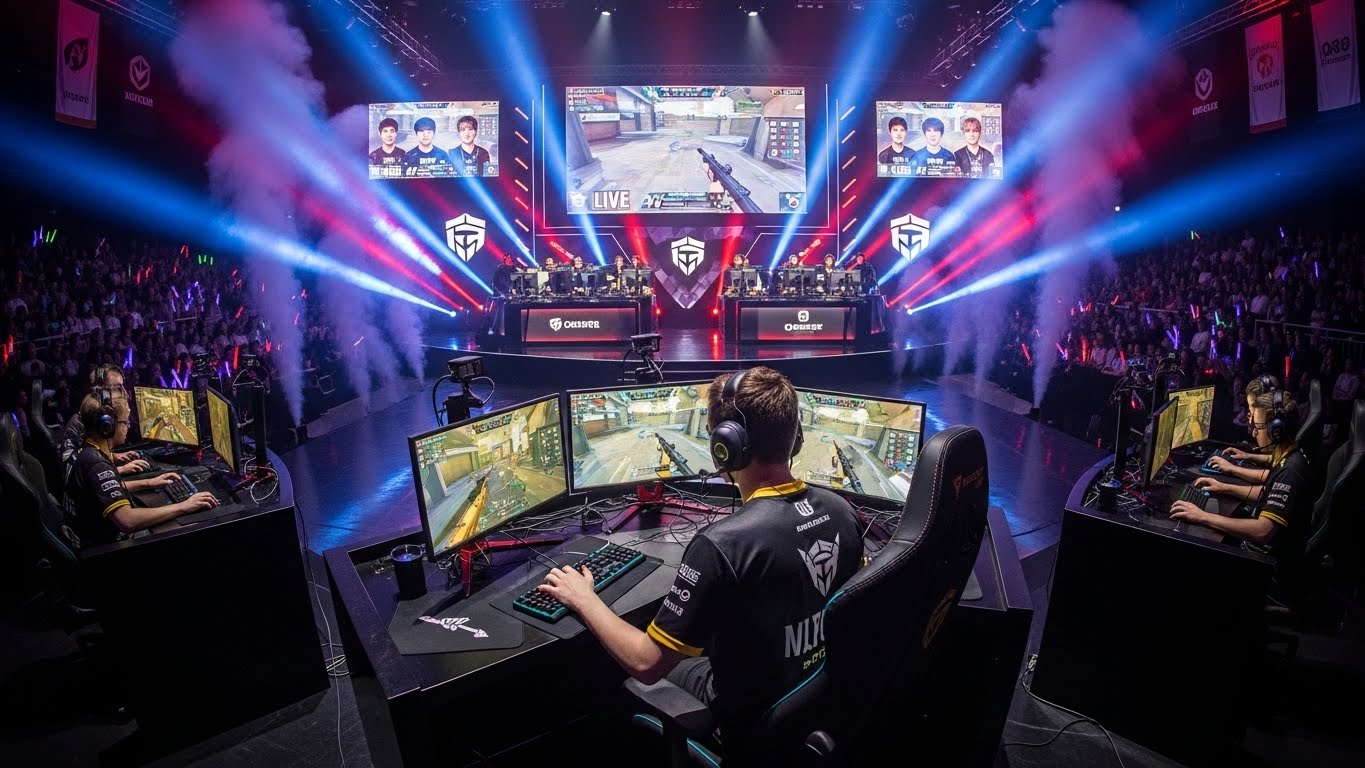
As global tournaments like The International for Dota 2 and the League of Legends World Championship grew in prestige, esports began to attract not just players, but massive viewerships. These events are now broadcast to millions worldwide, streamed on platforms like Twitch, YouTube Gaming, and Facebook Gaming. Fans can watch live broadcasts, interact with commentators, and even cheer for their favorite players from the comfort of their homes.
Esports as a Professional Career: The Rise of the Athlete
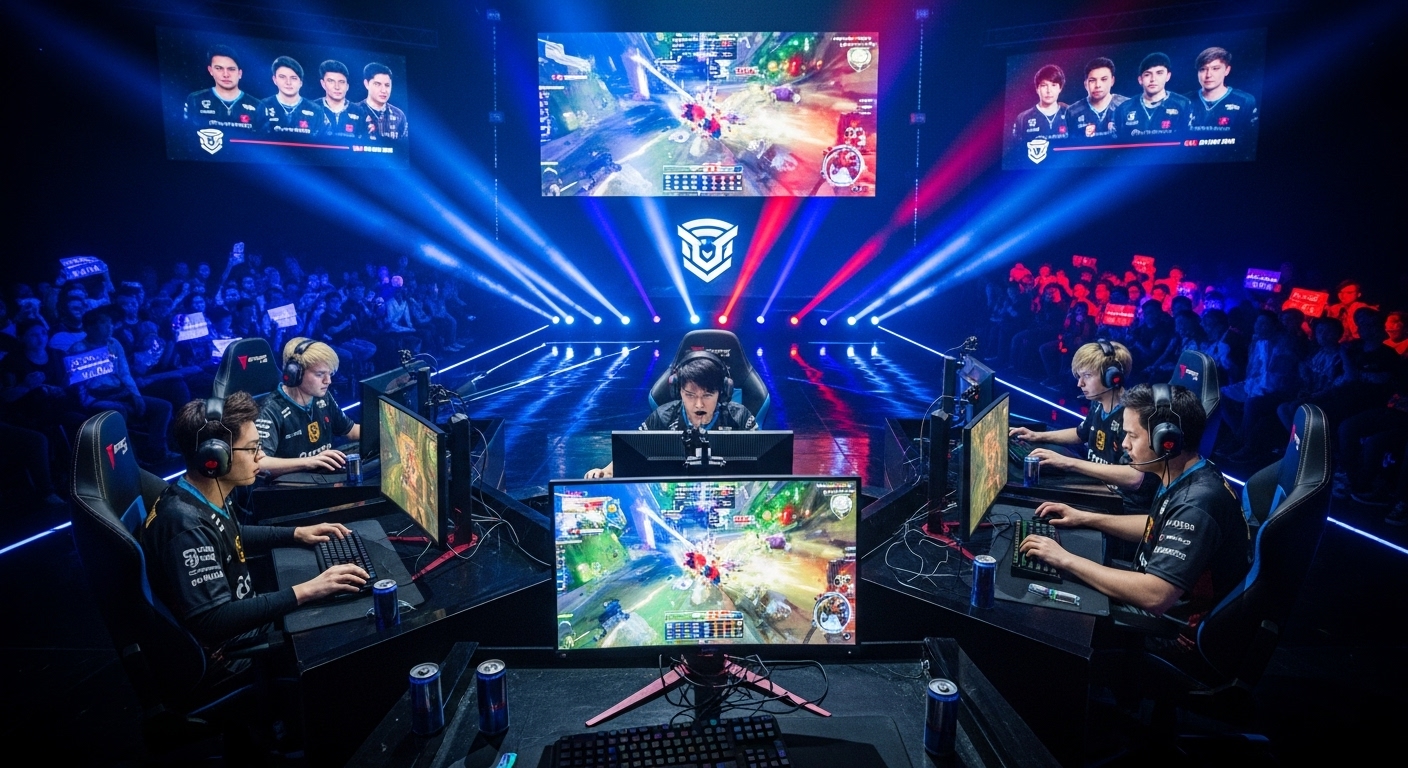
As esports gained traction, it began to resemble traditional sports in many ways, and one of the most noticeable parallels is the professionalization of players. What was once a casual hobby for many is now a legitimate career path for skilled gamers. Professional esports players are no longer simply enthusiasts; they are highly trained athletes, working with coaches, analysts, and other support staff to maximize their performance.
Esports athletes, like those in traditional sports, put in long hours of practice to hone their skills. Top players often train for several hours a day, studying game mechanics, practicing with their teams, and reviewing match footage. They also need to maintain mental and physical health to perform at the highest level. Much like traditional athletes, esports players are under intense pressure, as every tournament or league match carries the weight of national or even international recognition.
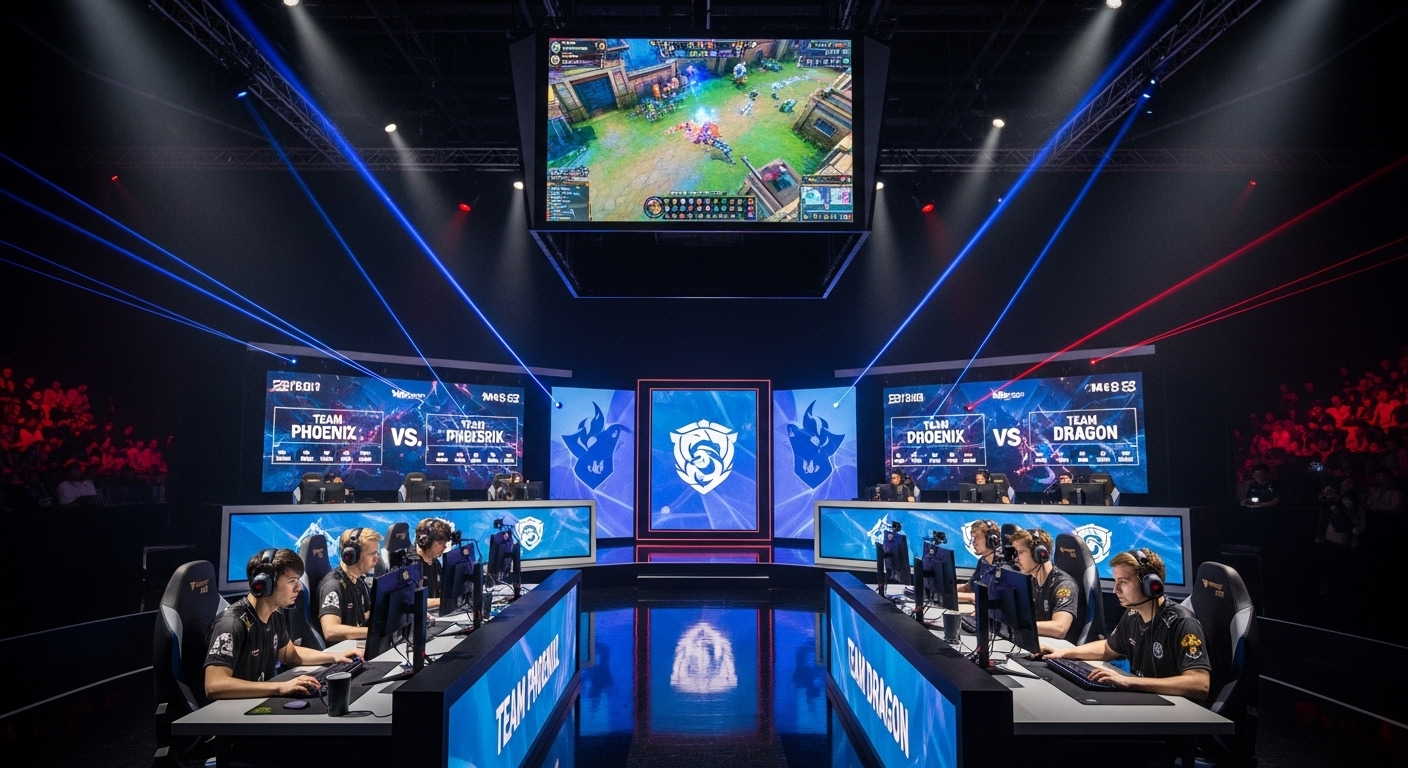
One of the defining features of esports is the role of the team. Many of the most successful players are part of larger organizations, such as Cloud9, Team Liquid, or T1. These teams operate much like traditional sports teams, with their own management structures, sponsorship deals, and training facilities. Players often live together, train together, and travel the world for competitions, much like professional athletes in sports like football or basketball.
The financial rewards of esports are also substantial. In addition to tournament prize money, professional players earn income through sponsorships, streaming, and content creation. Sponsorship deals with major brands have become a significant revenue stream, with companies such as Intel, Coca-Cola, and Audi investing heavily in esports. For top-tier players, earnings can reach into the millions of dollars, especially when factoring in tournament winnings, streaming revenue, and brand partnerships.
The Economic Impact of Esports: A Billion-Dollar Industry
Esports has grown into a multi-billion-dollar industry. In 2020, the global esports market was valued at over $1 billion, and this figure is expected to rise in the coming years. The money flows from various streams, including sponsorships, media rights, advertising, ticket sales, merchandise, and broadcasting. Major brands outside the gaming industry, including Coca-Cola, Nike, and McDonald’s, have recognized the enormous potential of esports to connect with younger audiences, leading to an influx of sponsorship deals.
One of the most significant sources of revenue for esports comes from media rights. Just like traditional sports leagues, esports organizations sell broadcasting rights to media outlets and streaming platforms. The rise of streaming platforms like Twitch and YouTube Gaming has also created new opportunities for monetization. Streamers, who often play the same games featured in esports tournaments, have become key players in the industry, with some amassing millions of followers and generating income through donations, subscriptions, and advertisements.
Esports’ influence on the economy extends beyond direct revenue generation. As the industry has grown, it has also created job opportunities in a variety of fields, including event production, marketing, content creation, game development, and journalism. The demand for esports-related services has sparked the creation of new companies and careers, ranging from esports consultants to event coordinators and broadcasters.
In addition to the mainstream revenue generated by esports, there is also the emerging market of esports betting. As esports events draw in massive audiences, betting platforms have begun to offer odds on matches, adding another layer of excitement for fans. Esports betting has become a booming sector, contributing further to the economic influence of competitive gaming.
Esports and Traditional Sports: A New Kind of Rivalry
Esports and traditional sports share many similarities, but they also have key differences. One of the most noticeable differences is the physicality of the sports themselves. While traditional sports require physical fitness, agility, and strength, esports athletes rely on mental acuity, strategic thinking, and hand-eye coordination. That said, both require intense discipline, teamwork, and practice.
In recent years, there has been a growing interest in how esports and traditional sports can intersect. Some professional sports organizations, like the NBA and NFL, have invested in esports teams or created their own esports leagues. For example, the NBA’s NBA 2K League allows players to compete in NBA 2K, a basketball simulation video game. These hybrid leagues provide a bridge between traditional sports and digital competition, attracting a wider audience.
There has even been talk about including esports in events like the Olympics, with esports tournaments gaining recognition from the International Olympic Committee. While there are debates about whether esports should be considered a “true” sport due to the lack of physical exertion, the rise of esports in mainstream culture continues to make this question more relevant.
The Future of Esports: Expanding Beyond Gaming
The future of esports is incredibly bright, with potential for further growth and innovation. As technology continues to evolve, so too will the gaming experiences that fuel esports. Virtual reality (VR) and augmented reality (AR) are expected to revolutionize the way competitive games are played, making esports even more immersive and engaging for players and spectators alike. These technologies have the potential to blur the lines between physical and digital competition, creating new forms of interactive entertainment.
Additionally, esports is likely to continue expanding into new regions, with emerging markets in places like India, Africa, and the Middle East providing fertile ground for future growth. As access to high-speed internet improves and more people gain access to gaming platforms, the global esports community will become even more diverse and inclusive.
Esports will also continue to evolve in terms of diversity and inclusion. The gaming world has long been criticized for its lack of representation, but the industry is slowly changing. More women are participating in esports, and there are increasing efforts to create safe and welcoming environments for players from all backgrounds. Over time, the inclusivity of esports will improve, ensuring that players from all walks of life have the opportunity to thrive.
Conclusion: The Evolution of Entertainment
Esports has come a long way since its humble beginnings. What started as small competitions has grown into a global, multi-billion-dollar industry that has redefined entertainment. Esports has transformed the way we view gaming, with professional players, massive tournaments, and lucrative sponsorships all contributing to its rapid rise. As technology advances and the industry continues to grow, there’s no telling where esports will go next.
One thing is certain: esports is here to stay. As it continues to attract new fans, create new career opportunities, and push the boundaries of digital entertainment, esports is reshaping the landscape of competitive gaming and entertainment.