Introduction: The Rise of Esports
In the last decade, esports has grown from a niche hobby into a global cultural and professional phenomenon. Competitive gaming now commands massive audiences, professional leagues, and substantial prize pools, attracting millions of players and fans worldwide. Esports has transformed the way people perceive competition, challenging traditional notions of athleticism and showcasing the power of skill, strategy, and teamwork in the digital realm.
Esports is not just about entertainment; it has become a career path, a social hub, and a cultural movement. From casual online tournaments to international championships, esports offers an arena where individuals can test their limits, build communities, and gain recognition on a global scale.
The History and Evolution of Esports
Esports has its roots in the arcade competitions of the 1970s and 1980s, where players competed for high scores in games like Space Invaders and Pac-Man. These events were local and informal but laid the foundation for competitive gaming.
The real transformation began with online multiplayer games in the 1990s and early 2000s. Titles like StarCraft, Counter-Strike, and Warcraft II brought players together across continents, turning gaming into a serious competitive pursuit. The advent of high-speed internet and digital streaming platforms further accelerated esports’ growth, allowing fans to watch matches live, follow their favorite players, and interact with global communities.
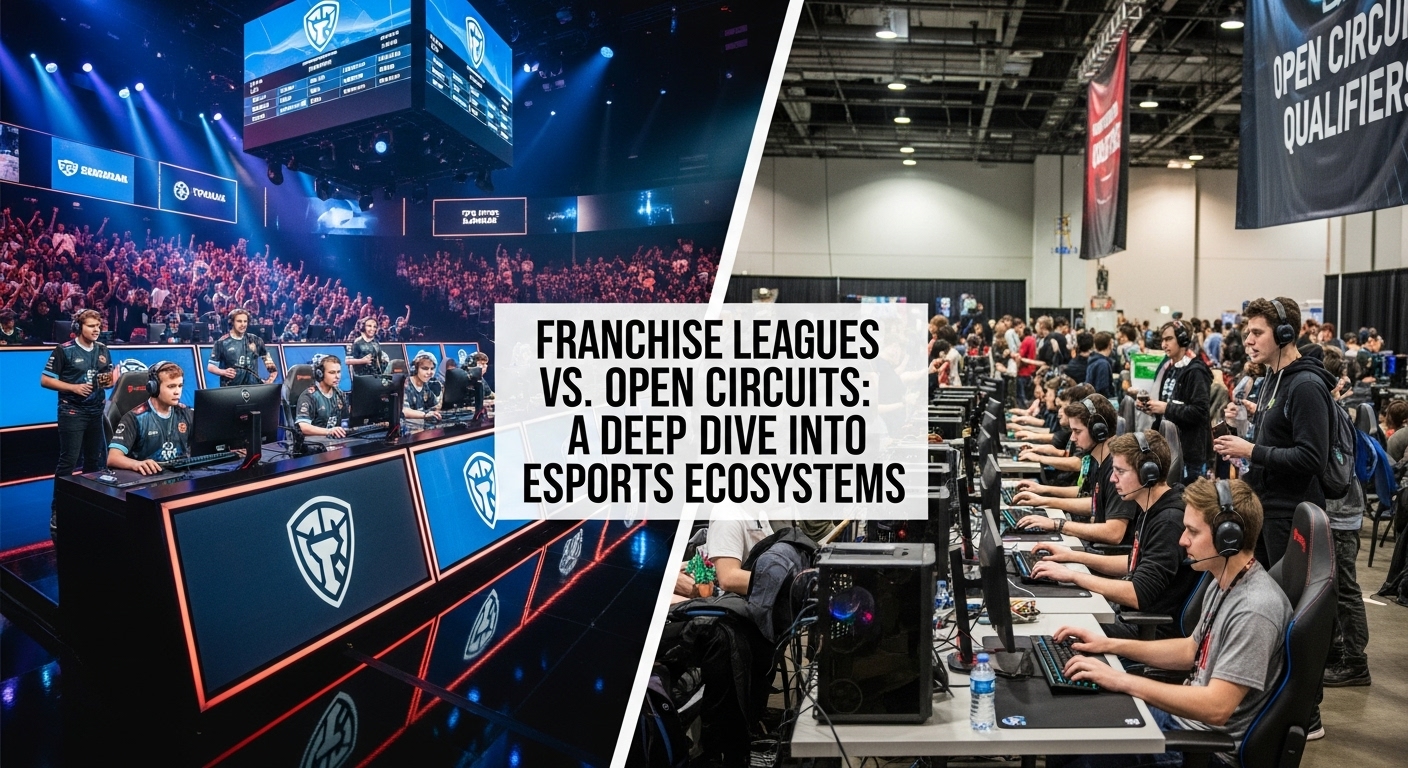
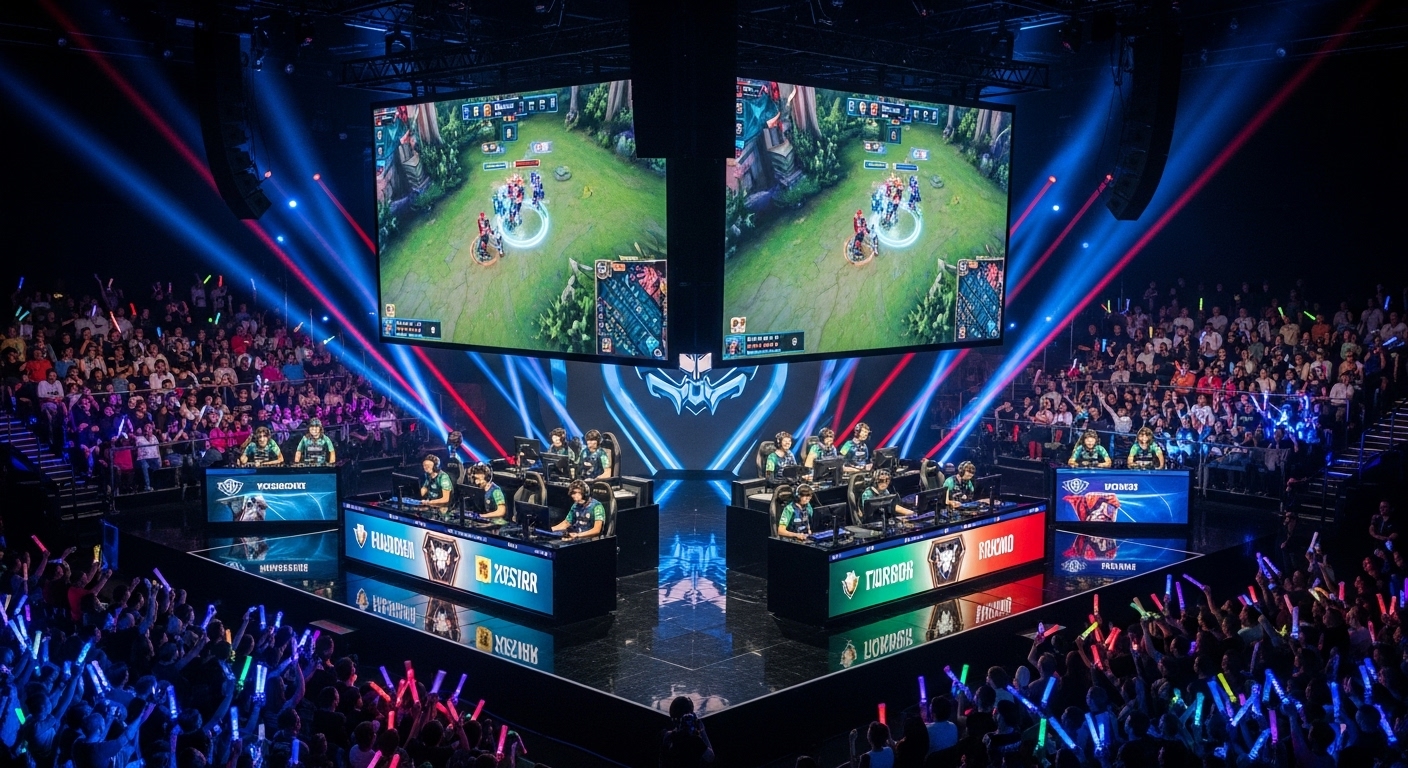
Today, esports features organized leagues, professional teams, and major tournaments with audiences rivaling traditional sports events. It has firmly established itself as both a professional industry and a cultural force.
Popular Esports Genres
Esports encompasses a wide range of genres, each demanding unique skills and strategies. Multiplayer Online Battle Arenas (MOBAs) such as League of Legends and Dota 2 require teamwork, coordination, and tactical decision-making. First-Person Shooters (FPS) like Counter-Strike: Global Offensive and Valorant demand precision, reflexes, and strategic execution.
Battle Royale games, including Fortnite and Apex Legends, challenge players with survival strategies, quick decision-making, and adaptability under pressure. Real-Time Strategy (RTS) games emphasize planning, resource management, and tactical thinking, while sports simulation games like FIFA and NBA 2K bring digital representations of traditional sports into the competitive arena. This diversity allows esports to appeal to various skill sets and audiences, making it a highly inclusive digital sport.
The Physical and Mental Demands of Esports
Despite misconceptions, esports requires both physical and mental endurance. Professional gamers often train for hours daily, maintaining exceptional hand-eye coordination, quick reflexes, and multitasking abilities. Maintaining physical health is critical to prevent repetitive strain injuries and fatigue, leading many top players to adopt exercise routines, proper posture, and eye care.
Mental resilience is equally important. High-stakes competitions require intense concentration, rapid problem-solving, and emotional control. Players must manage stress, stay focused under pressure, and adapt strategies on the fly. Like traditional athletes, esports professionals combine rigorous practice, mental preparation, and disciplined routines to achieve peak performance.
Team-Based Esports: Collaboration and Strategy
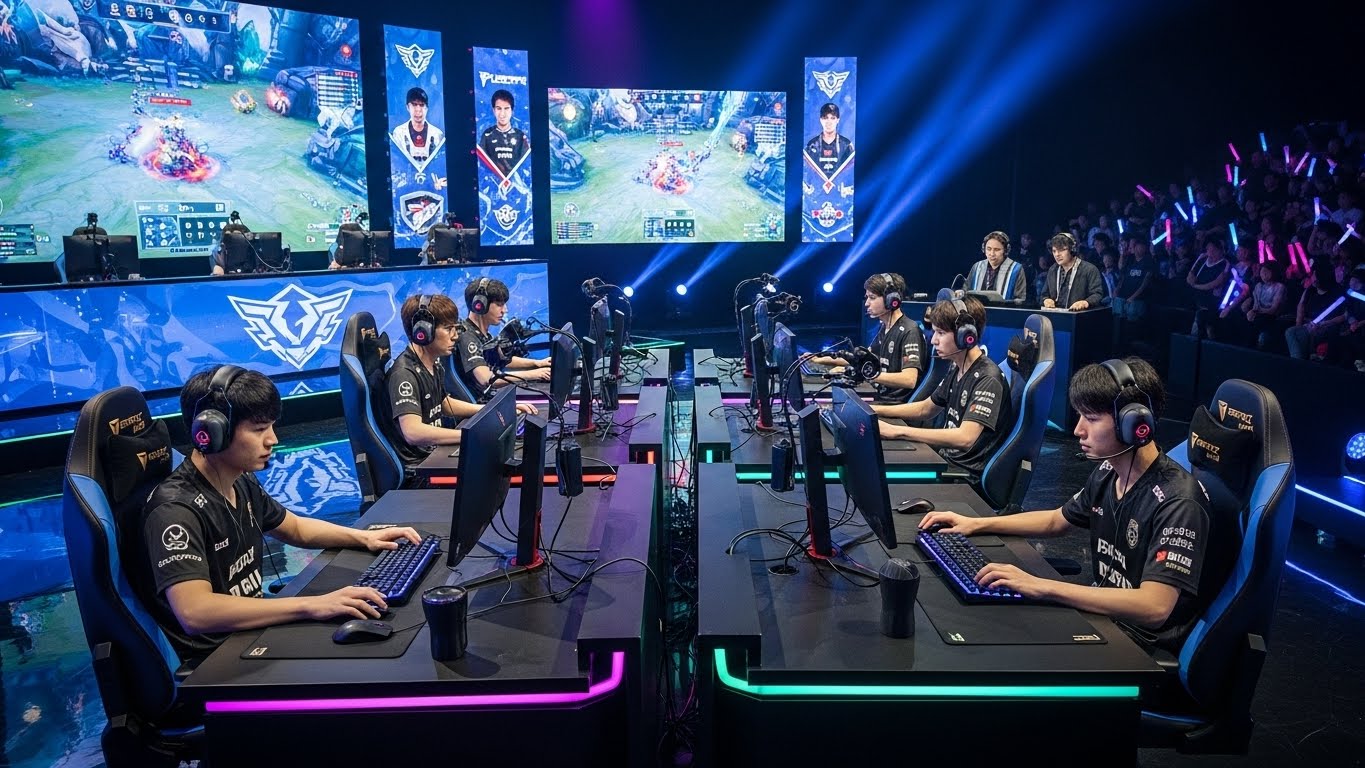
Team esports emphasizes communication, leadership, and cooperation. Games like League of Legends, Dota 2, and Overwatch require players to coordinate roles, strategize collectively, and adapt to evolving scenarios. Individual brilliance is not enough; success depends on synergy and mutual support.
Participating in team-based esports cultivates leadership skills, teamwork, and conflict resolution. Captains guide their teams, providing mentorship and direction, while team members learn to work together under high pressure. These skills extend beyond gaming, preparing players for professional and personal challenges.
Individual Competition: Self-Discipline and Mastery
Individual esports competitions focus on personal skill, strategy, and self-discipline. Players in fighting games, solo battle royale modes, or racing simulations must rely entirely on their own abilities. Every decision, every move, and every reaction directly affects the outcome.
Competing individually fosters self-awareness, accountability, and resilience. Players learn to evaluate their performance objectively, adapt to challenges, and develop persistence. These qualities cultivate confidence and mental toughness, providing skills that translate into everyday life.
Esports Communities and Social Engagement
Esports has created vibrant global communities. Online platforms, social media, and streaming services allow fans and players to interact, share strategies, and support one another. These communities provide opportunities for mentorship, networking, and collaborative learning.
Social engagement is a core aspect of esports. Fans follow tournaments, comment on matches, and participate in online discussions. Players build reputations, form friendships, and exchange knowledge. The sense of belonging created through esports communities is significant, fostering inclusion, creativity, and global connections.
Career Opportunities in Esports
Esports has created an entire ecosystem of career opportunities. Professional players earn income through tournament winnings, team salaries, and sponsorships. Coaches, analysts, team managers, and event organizers support professional competition and strategy.
Streaming and content creation offer additional avenues for income and personal branding. Commentators, digital creators, and influencers engage with global audiences, providing entertainment and insights. Developers and marketers also benefit, making esports a multi-faceted industry with diverse career paths beyond playing professionally.
Economic Impact of Esports
Esports contributes significantly to the global economy. Major tournaments generate revenue through sponsorships, merchandise, advertising, and live events. Large-scale competitions attract international audiences, stimulate tourism, and create jobs in media, event management, and technology sectors.
The esports industry drives technological innovation, including improvements in gaming hardware, streaming platforms, and performance analytics. This growth demonstrates the economic potential of digital sports and reflects the increasing importance of technology in global entertainment markets.
Esports in Education
Esports is increasingly integrated into educational programs. Colleges and universities offer scholarships, organized teams, and competitive leagues, helping students develop teamwork, strategic thinking, and digital literacy. High schools and community programs promote esports participation, providing opportunities for students who may not engage in traditional athletics.
These educational programs foster critical skills such as leadership, communication, and problem-solving. They also enhance confidence, time management, and collaboration, showing that esports can be a tool for personal and academic development.
Challenges Facing Esports
Despite its success, esports faces several challenges. Long hours of practice and intense competition can lead to burnout, stress, and health issues. Maintaining physical fitness and mental well-being is crucial for sustained performance.
Other challenges include cheating, toxic behavior, and fairness in competitions. Organizers and developers continuously refine rules, enforce anti-cheat measures, and maintain professional standards to protect integrity and ensure a sustainable esports ecosystem. Addressing these challenges is vital to the long-term credibility of the industry.
The Future of Esports
The future of esports is promising and rapidly evolving. Emerging technologies such as virtual reality, augmented reality, and artificial intelligence are poised to transform gameplay, training, and spectator experiences. Interactive and immersive viewing platforms may allow fans to engage with competitions in unprecedented ways.
Inclusivity will continue to grow, with opportunities for women, adaptive gamers, and grassroots participants expanding. Esports is becoming a platform for cultural exchange, innovation, and social connection, demonstrating that digital competition has the power to unite people across the globe.
Conclusion: Esports as a Cultural and Competitive Force
Esports has emerged as a powerful cultural, economic, and social phenomenon. It challenges traditional ideas of athleticism while showcasing the importance of skill, strategy, teamwork, and resilience. Players demonstrate discipline, mental toughness, and adaptability, while communities form around shared passion and collaboration.
The economic, educational, and social impact of esports underscores its significance beyond entertainment. As technology advances and participation broadens, esports is set to continue shaping global competition, digital culture, and professional opportunities. The digital arena has proven that competition thrives not only in physical spaces but also in virtual worlds, redefining what it means to excel in the modern age.