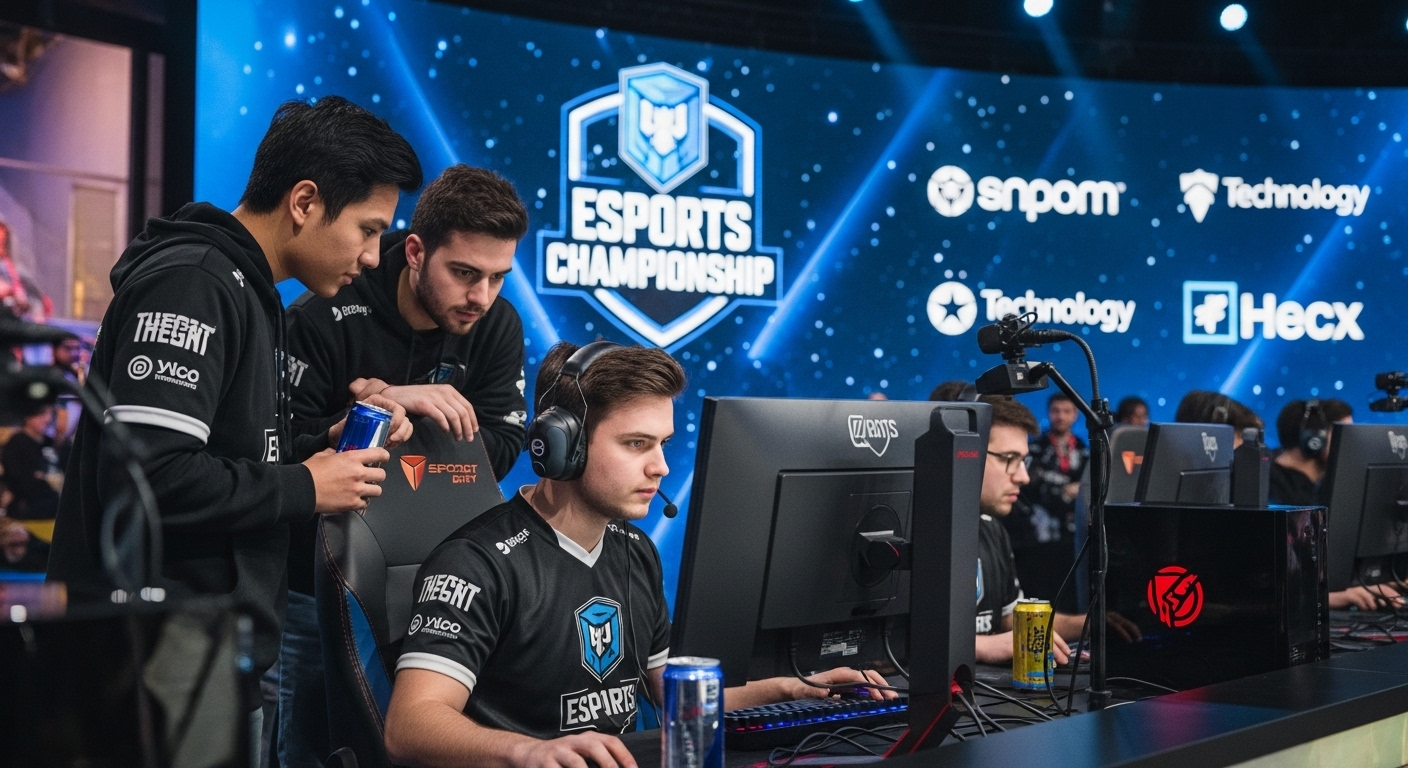
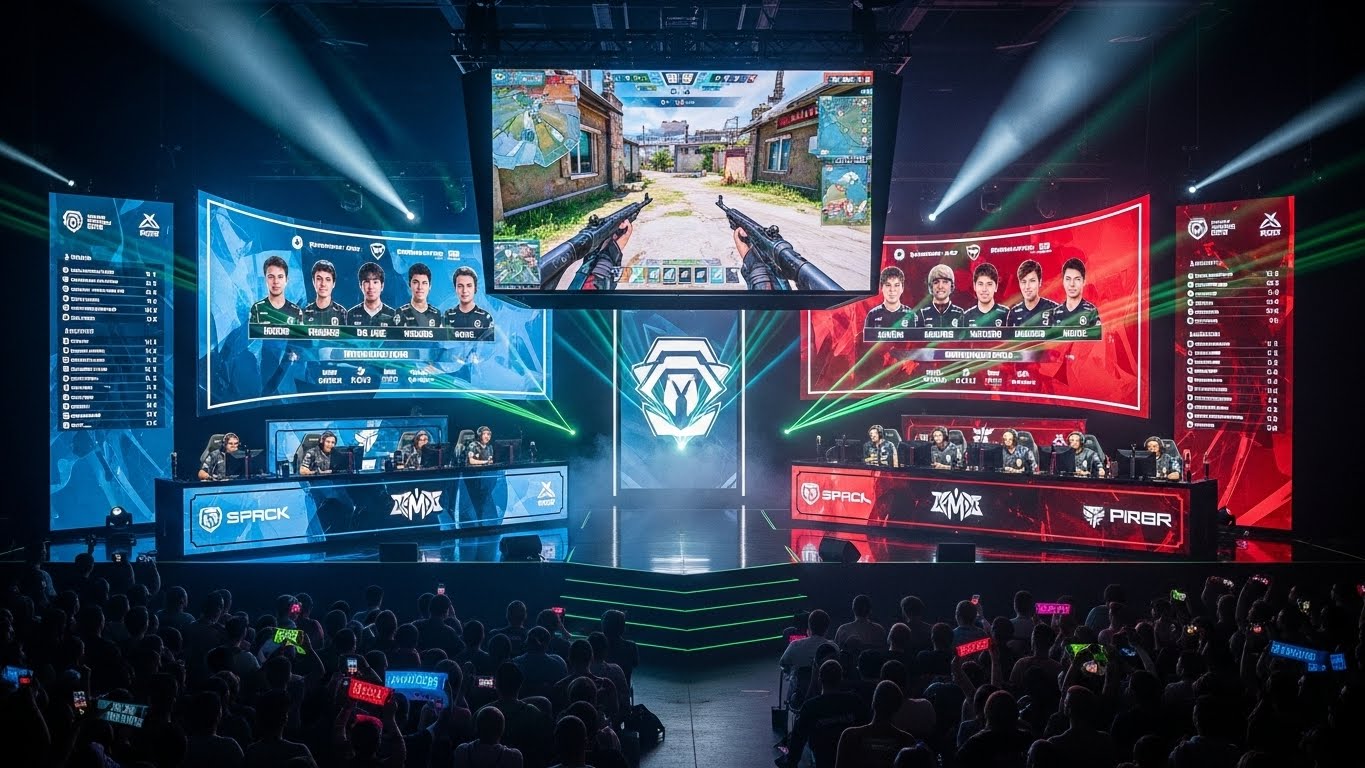
The world of competitive gaming, or esports, has transformed from a niche hobby into a global phenomenon. What began as casual players competing in arcades and home setups has grown into a multi-billion-dollar industry with professional leagues, sponsorships, and massive fanbases. Esports is no longer just about playing video games—it is a cultural, social, and economic force shaping the modern digital era. This blog explores the evolution of esports, its impact on players and communities, and what the future may hold.
The Origins of Esports
Esports did not emerge overnight. Its roots trace back to the late 1970s and early 1980s when competitive gaming started gaining attention through arcade tournaments and early computer competitions. Games like Space Invaders and Pac-Man sparked competitive interest, but the real growth began with titles such as Street Fighter and StarCraft.
By the late 1990s, with the rise of the internet, esports began taking a more organized shape. Online multiplayer games allowed players from different regions to compete against each other, giving rise to professional competitions and dedicated fan communities. Early esports tournaments may have been small in scale, but they laid the groundwork for the massive professional scene we see today.
The Popularity Explosion
The 2010s marked a turning point for esports. Streaming platforms made it possible for fans to watch tournaments live, while social media amplified their reach. Games like League of Legends, Dota 2, and Counter-Strike: Global Offensive became household names, attracting millions of viewers worldwide.
Major tournaments now fill arenas, with audiences rivaling traditional sports events. Esports players are recognized as professional athletes, with sponsorships, merchandise, and celebrity status. The rise of esports is not just a result of the games themselves, but also the ecosystem that surrounds them, including coaches, analysts, commentators, and production teams.
Physical and Mental Skills in Esports
Contrary to common misconceptions, esports is far from being a sedentary or purely recreational activity. Professional players train extensively, sometimes dedicating eight to twelve hours a day to practice. This level of commitment requires both physical and mental discipline.
Physically, esports players need strong reflexes, hand-eye coordination, and endurance. Sitting for long hours demands exercises to prevent strain and maintain health. Mentally, esports challenges focus, strategic thinking, problem-solving, and decision-making under pressure. High-stakes matches require players to remain calm and execute complex strategies in real-time, often making split-second choices that can decide the outcome of the game.
Building Communities Through Esports
One of the most remarkable aspects of esports is its ability to bring people together. Online and offline communities form around specific games, teams, and tournaments. Fans interact, share strategies, and celebrate victories together, creating a sense of belonging.
Esports has also made gaming more inclusive. Players of different ages, genders, and backgrounds can participate and be recognized for their skill. Communities provide support networks, friendships, and mentorship, helping new players improve and find their place in the competitive scene. Beyond professional players, casual participants also benefit from these communities, enjoying social interaction, entertainment, and shared passion.
Esports as a Career
The notion of esports as a legitimate career has gained tremendous acceptance. Professional players earn salaries, prize money, and sponsorships that can rival traditional sports. Beyond playing, careers exist in coaching, game analysis, tournament production, broadcasting, and content creation.
Esports also drives educational opportunities. Universities and colleges now offer esports scholarships, training programs, and courses in game design and esports management. This formal recognition reinforces the legitimacy of esports as a career path, demonstrating that competitive gaming is more than a hobby—it is a viable profession.
The Role of Technology in Esports
Esports and technology are inseparable. High-speed internet, advanced gaming hardware, and sophisticated streaming platforms have enabled esports to thrive. Real-time data analysis allows teams to refine strategies, track performance metrics, and gain a competitive edge.
Streaming platforms have transformed spectatorship, allowing millions of viewers to watch matches live, interact with commentators, and participate in fan communities. Virtual reality and augmented reality are further expanding the possibilities of esports, creating immersive experiences that blend gaming, entertainment, and live events. Technology is not just a tool—it is the foundation of esports’ growth and evolution.
Economic Impact of Esports
The esports industry has grown into a multi-billion-dollar ecosystem. Major tournaments offer prize pools that reach millions of dollars, while sponsorships and advertising revenue contribute significantly to the market. Brands from tech companies to fashion labels are investing in esports, recognizing its influence over a young, digitally connected audience.
The economic impact extends beyond professional players and teams. Esports has created jobs in media production, marketing, event management, and software development. Cities hosting esports tournaments see tourism boosts and increased local business activity, illustrating how gaming has evolved into a powerful economic driver.
Esports and Social Change
Esports also serves as a platform for social change. The inclusive nature of gaming allows people of different genders, nationalities, and abilities to compete on equal footing. Initiatives promoting diversity, mental health awareness, and anti-toxicity campaigns highlight the socially responsible side of esports.
Moreover, esports encourages digital literacy and technological engagement. Players often learn coding, content creation, and team collaboration skills, which are transferable to professional environments. In this way, esports is more than entertainment; it is a tool for education, personal growth, and empowerment.
Challenges in the Esports Industry
Despite its growth, esports faces challenges. Physical and mental health concerns, including repetitive strain injuries, eye strain, and stress, are prevalent among professional players. The intense competitive environment can also lead to burnout, making proper training, rest, and mental support crucial.
Regulation and governance are ongoing issues. Ensuring fair play, preventing cheating, and managing contractual obligations between players and teams require robust frameworks. Additionally, the esports industry must address disparities in pay, opportunities, and recognition, particularly for women and underrepresented groups.
The Future of Esports
The future of esports is bright and full of potential. Emerging technologies such as virtual reality, cloud gaming, and artificial intelligence will continue to transform gameplay and fan experiences. As more mainstream recognition and investment pour into esports, opportunities for players, creators, and businesses will expand.
Esports is likely to become further integrated into educational systems, promoting teamwork, problem-solving, and digital skills. Its global reach will continue to unite players and fans from diverse cultures, creating a truly international community. The evolution of esports suggests that it is not just a passing trend but a permanent fixture in modern entertainment and culture.
Conclusion: More Than Just a Game
Esports has grown far beyond the idea of “just playing video games.” It is a professional industry, a cultural movement, a social platform, and a source of inspiration for millions worldwide. Through skill, strategy, and dedication, esports players have become athletes in their own right, inspiring new generations to pursue passion, teamwork, and innovation.
From local online competitions to international tournaments with millions of viewers, esports continues to redefine what it means to compete, collaborate, and connect in the digital age. The rise of esports reminds us that the boundaries between technology, entertainment, and human potential are expanding, offering new ways to challenge ourselves, build communities, and celebrate achievement.
In the end, esports is more than just a game—it is a reflection of the creativity, resilience, and determination that define human endeavor in the modern era.