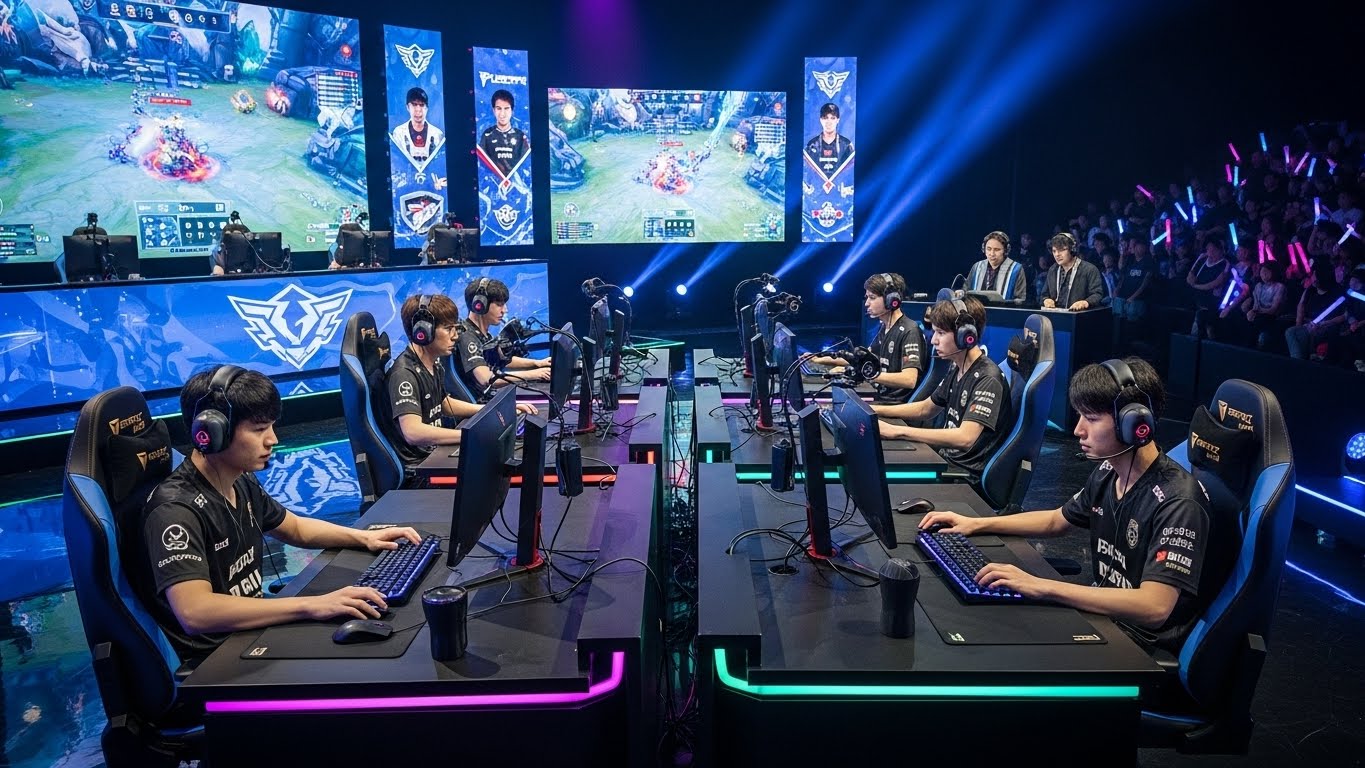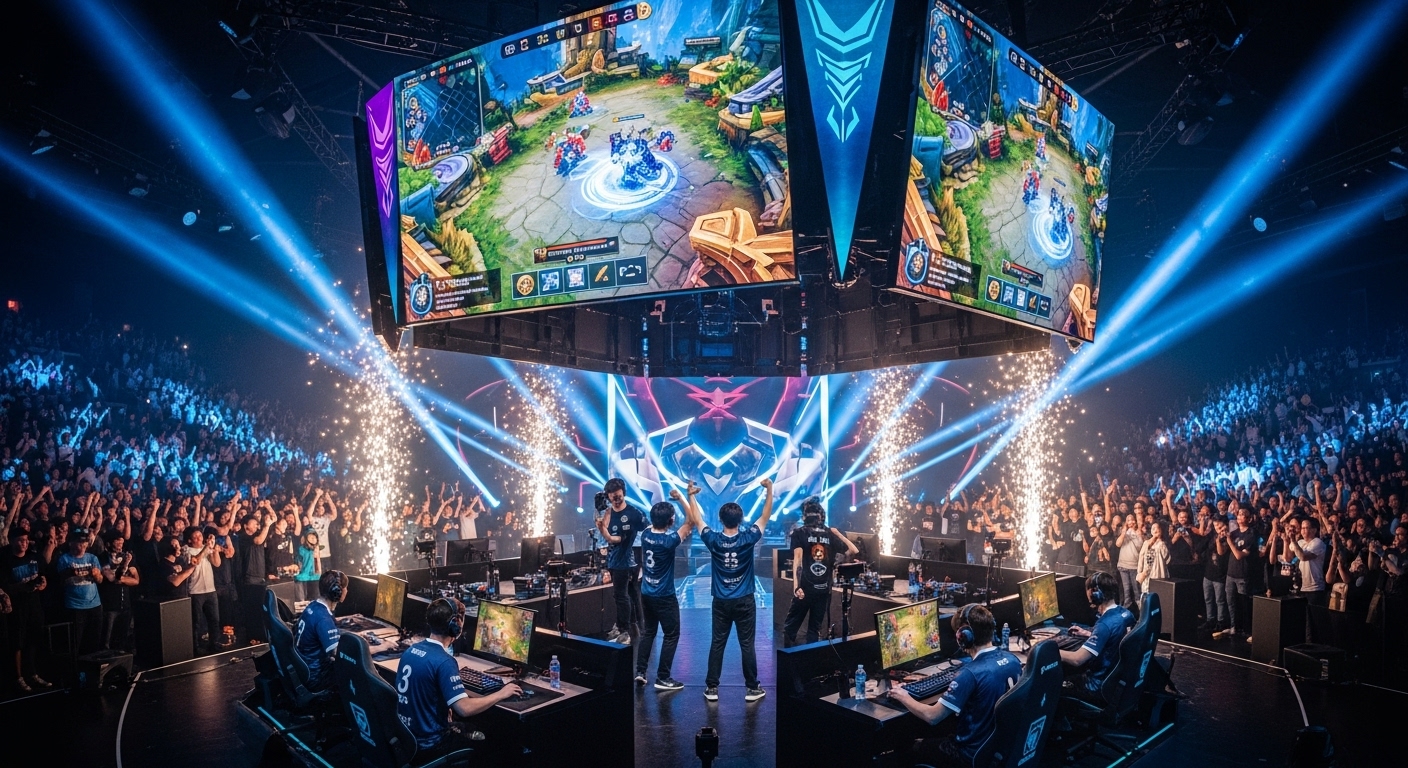
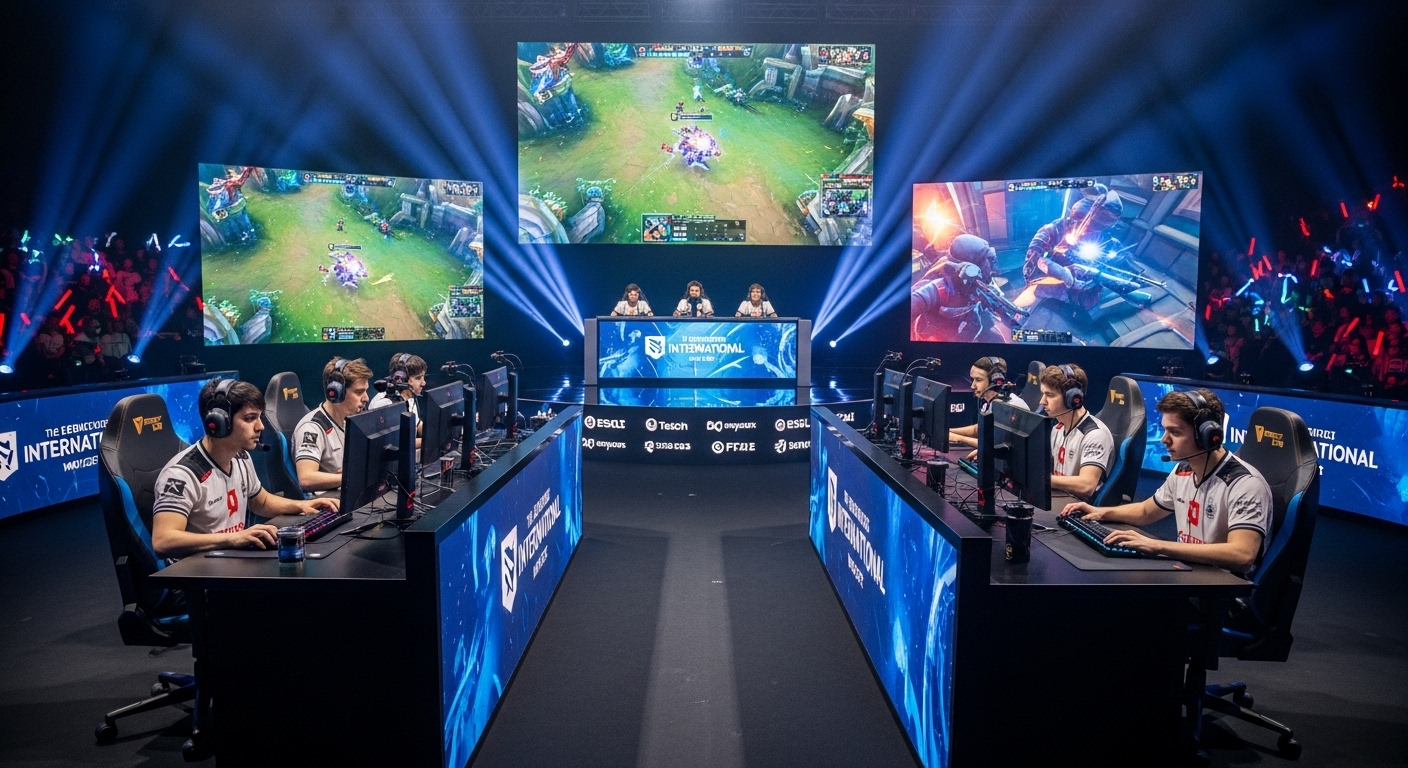
In the last few decades, the world has witnessed a revolution in the way people view entertainment, competition, and even careers. What was once seen as a niche hobby for teenagers in dark rooms surrounded by glowing screens has become a global phenomenon: Esports. The term, short for electronic sports, now defines an entire industry worth billions of dollars, with millions of passionate fans and professional players. Esports has reshaped the landscape of modern sports and entertainment, blending technology, creativity, and competition into one of the most dynamic cultural movements of the 21st century.
What Exactly Is Esports?
Esports refers to organized, competitive video gaming where individuals or teams compete against each other in specific titles. These games range from first-person shooters like Counter-Strike and Call of Duty, to strategy games like StarCraft, and multiplayer online battle arenas (MOBAs) like League of Legends and Dota 2.
Unlike casual gaming, esports is highly structured, featuring leagues, tournaments, and championships with prize pools that often rival or exceed those of traditional sports. Professional players train rigorously, analyzing strategies, maintaining physical health, and practicing for hours each day to reach the top of their respective games.
The Origins of Competitive Gaming
The roots of esports go back further than many realize. The first known video game competition took place in 1972 at Stanford University, where students competed in the game Spacewar!. The grand prize? A one-year subscription to Rolling Stone magazine. Though modest, it marked the beginning of an era.
In the 1980s, arcade gaming became a social phenomenon. Titles like Pac-Man and Donkey Kong inspired competitive leaderboards, where players strove for high scores and recognition. By the late 1990s, with the rise of the internet and improved computer technology, gaming moved from local arcades into homes and online platforms. This transition opened the door for international competition and the birth of what we now know as esports.
The Golden Age of Esports Begins
The early 2000s saw the true rise of esports as global internet access improved. Games like StarCraft in South Korea and Counter-Strike in Europe and North America fueled competitive scenes that attracted thousands of players and viewers.
South Korea became the epicenter of professional gaming. The government recognized esports as an official sport, and cable channels began broadcasting matches live. Pro players became celebrities, earning sponsorships, salaries, and massive fan followings. This era established the foundation for esports leagues, coaching systems, and professional training houses.
At the same time, Western countries saw the formation of tournaments such as the Cyberathlete Professional League (CPL) and Major League Gaming (MLG), which helped standardize esports formats and prize structures. From this foundation, esports evolved into a legitimate and highly organized industry.
The Explosion of Esports in the 2010s
The 2010s marked the explosive global growth of esports. Several factors contributed to this surge:
1. Streaming Platforms
The rise of streaming services such as Twitch and YouTube Gaming revolutionized how audiences consumed esports. Instead of watching highlights on television, fans could now watch tournaments live from anywhere in the world. Streaming also gave rise to gaming personalities and influencers, further merging entertainment with competition.
2. Corporate Investment and Sponsorships
Major companies saw the potential of esports and began investing heavily. Brands like Intel, Coca-Cola, and even automobile manufacturers sponsored teams and events. These partnerships legitimized esports as a commercial and cultural powerhouse.
3. High-Quality Production and Global Events
Esports tournaments became massive productions, featuring advanced stage setups, professional commentators, and cinematic visuals. Events like The International (for Dota 2) and League of Legends World Championship began filling stadiums with tens of thousands of fans, with millions more watching online.
4. Professionalization of Players and Teams
The days of casual teams were over. Players signed contracts, earned salaries, and trained in state-of-the-art facilities. Organizations like T1, Cloud9, and Team Liquid became global brands, much like football or basketball franchises.
Esports Genres and Their Massive Appeal
Different genres of games dominate various regions and demographics. Understanding these categories helps explain the broad appeal of esports worldwide.
1. First-Person Shooters (FPS)
Titles like Counter-Strike: Global Offensive, Call of Duty, and Valorant test players’ reflexes, precision, and tactical teamwork. These games are fast-paced and thrilling, making them ideal for spectators.
2. Multiplayer Online Battle Arenas (MOBAs)
Games such as League of Legends and Dota 2 are among the most popular esports titles. They combine real-time strategy with action gameplay, requiring deep understanding, coordination, and quick decision-making.
3. Battle Royale Games
The introduction of Fortnite, PUBG, and Apex Legends brought the battle royale genre into the esports scene. These games offer chaotic, large-scale competitions where survival is the key.
4. Sports Simulations
Games like FIFA, NBA 2K, and Rocket League merge traditional sports with gaming, creating a bridge between the two worlds. They are particularly popular among sports fans exploring esports for the first time.
5. Fighting Games
Franchises like Street Fighter, Tekken, and Super Smash Bros. have maintained a loyal following. Fighting game tournaments emphasize individual skill and precision timing, often delivering some of the most exciting moments in esports history.
The Business of Esports
Behind every tournament and superstar player lies a sophisticated business ecosystem. Esports involves multiple revenue streams, including sponsorships, advertising, media rights, merchandise, ticket sales, and game publisher investments.
1. Sponsorship and Advertising
Sponsorships are the backbone of esports revenue. Brands pay for visibility on jerseys, event stages, and broadcasts. The young, tech-savvy audience that esports attracts makes it an appealing demographic for advertisers.
2. Media Rights and Broadcasting
Just like traditional sports, esports leagues sell broadcasting rights to streaming platforms and media outlets. With millions of viewers globally, these rights generate significant income.
3. Merchandising and Fan Engagement
Teams and players often have loyal fan bases who purchase branded apparel, gaming accessories, and digital items. This not only creates revenue but strengthens fan identity and loyalty.
4. Franchise Leagues
Certain esports leagues have adopted franchise models similar to the NBA or NFL. Teams buy permanent slots in these leagues, ensuring stability and long-term investment. Examples include the Overwatch League and Call of Duty League.
Esports and Education
One of the most surprising developments in recent years has been the inclusion of esports in educational institutions. Many universities and high schools now offer esports scholarships, clubs, and even degree programs in game design, esports management, and broadcasting.
Students are learning not only how to play competitively but also how to manage teams, organize events, and produce content. This integration reflects esports’ legitimacy as both a career path and an academic pursuit.
The Role of Technology in Esports
Technology drives every aspect of esports, from game design to live broadcasting. High-performance gaming PCs, ultra-fast internet connections, and low-latency communication platforms are essential.
The rise of virtual reality (VR) and augmented reality (AR) also promises to bring new dimensions to esports. Future tournaments could blend physical and virtual environments, offering immersive experiences for both players and fans.
Artificial intelligence is another growing influence. AI tools are being used to analyze gameplay, predict outcomes, and even assist in coaching strategies. Technology not only supports esports—it continually evolves with it.
The Globalization of Esports
Esports is truly a global phenomenon. While Asia, particularly South Korea and China, remains at the forefront, other regions have rapidly caught up.
1. Asia
South Korea’s deep-rooted esports culture has produced some of the world’s best players and teams. China, with its massive population and government support, has also emerged as a dominant force.
2. Europe
European countries such as Sweden, Denmark, and Germany have become hubs for esports organizations and talent. European teams often dominate games like Counter-Strike and Dota 2.
3. North America
North America boasts major esports infrastructure, with well-funded organizations and professional leagues. The region is also home to some of the biggest gaming events and influencers.
4. Other Regions
Esports is rapidly growing in Latin America, the Middle East, and Africa. Local tournaments, government initiatives, and internet expansion are fueling this growth, creating new opportunities for players and fans alike.
Esports as a Career
The idea of earning a living through video games was once laughed at, but today it’s a reality for thousands. Esports careers go far beyond playing competitively. The industry offers opportunities in broadcasting, event management, marketing, coaching, content creation, and software development.
Top players can earn millions through prize winnings, sponsorships, and streaming. However, like traditional athletes, they face intense competition, mental strain, and short career spans. Proper training, physical health, and psychological support are now integral parts of professional esports life.
The Impact of Esports on Traditional Sports
Esports and traditional sports are not competitors; they are collaborators in many ways. Major sports organizations such as the NBA, NFL, and FIFA have invested in esports teams and leagues. This partnership expands audience reach and bridges the generational gap between younger and older fans.
Moreover, the skills and principles of competition, teamwork, and discipline are shared across both worlds. Esports athletes train like traditional sports players—developing reflexes, strategies, and team coordination.
Challenges Facing the Esports Industry
Despite its massive success, esports faces several challenges that could shape its future.
1. Player Burnout
Many professional players start young and face immense pressure. Long practice hours and constant travel can lead to mental and physical exhaustion.
2. Regulation and Governance
Unlike traditional sports, esports lacks a unified global governing body. Different games are owned by different publishers, leading to inconsistent rules and standards.
3. Cheating and Fair Play
With the rise of online competition, cheating, match-fixing, and the use of unauthorized software have become issues. Maintaining integrity is critical to the industry’s credibility.
4. Diversity and Inclusion
The esports community continues to work toward greater diversity and inclusivity. While progress has been made, more efforts are needed to ensure equal opportunities for all players regardless of gender, nationality, or background.
The Future of Esports
The future of esports looks brighter than ever. Industry analysts predict continued growth in audience size, revenue, and mainstream acceptance. As technology advances, esports may expand into new areas such as virtual reality, mobile platforms, and hybrid physical-virtual tournaments.
Educational and governmental recognition will further strengthen esports’ foundation. With more scholarships, funding, and youth programs, the next generation will grow up viewing esports not as an alternative to traditional sports, but as a legitimate and celebrated form of competition.
The Cultural Significance of Esports
Beyond the competition and the business, esports represents a cultural shift. It embodies the digital age—where technology, entertainment, and community intersect. Esports has created a shared language for millions of people around the world, transcending borders, cultures, and languages.
Fans connect online, form friendships, and support teams just as passionately as fans of football or basketball. The global nature of gaming means that a fan in Brazil can cheer for a team in Korea or a player in Sweden, united by a shared passion for digital competition.
Conclusion: A New Definition of Sport
Esports has redefined what it means to be an athlete, a fan, and even a community member. It has blurred the lines between the virtual and the real, merging skill, strategy, and entertainment into a new cultural movement.
From humble beginnings in university labs to sold-out arenas and multimillion-dollar tournaments, esports has evolved into a cornerstone of modern entertainment. It celebrates creativity, intelligence, and perseverance, proving that the world of sport is not limited to fields or courts—it also thrives on digital battlefields where reflexes, strategy, and teamwork reign supreme.
The rise of esports marks not just the growth of a new industry, but the birth of a new cultural identity—one that will continue to inspire generations to come.