Introduction
Esports, short for electronic sports, has grown from a niche hobby into a worldwide phenomenon that rivals traditional sports in popularity and influence. Once limited to small communities of passionate gamers, esports has now become a multi-billion-dollar industry with professional leagues, massive tournaments, and millions of fans watching from every corner of the globe.
What makes esports unique is its combination of strategy, skill, teamwork, and entertainment in a digital environment. Unlike conventional sports, physical attributes are not the determining factor; mental acuity, reaction speed, communication, and adaptability are key. This inclusivity has made esports accessible to a diverse range of participants and fans. In this blog, we explore the history, growth, cultural significance, economic impact, and future of esports, illustrating why it has become one of the defining aspects of modern entertainment.
The Origins of Competitive Gaming
The roots of esports can be traced back to the late 1970s and early 1980s when arcade games like Space Invaders, Pac-Man, and Asteroids were popular among enthusiasts. Players competed for high scores, often in informal tournaments held at arcades or community centers. One of the earliest organized events, the Space Invaders Championship in 1980, attracted thousands of participants across the United States, marking the beginning of formal competitive gaming.
The 1990s saw a major shift with the introduction of personal computers and internet connectivity. Games such as Doom, Quake, and StarCraft allowed players to compete online, challenging others across cities and even countries. South Korea emerged as a hub for competitive gaming, particularly with StarCraft, which inspired televised matches, professional leagues, and celebrity players. These developments laid the foundation for modern esports.
The Growth of Esports Tournaments
As competitive gaming gained momentum, tournaments evolved into large-scale professional events. Early competitions like the Electronic Sports World Cup and Major League Gaming attracted international players and audiences. By the 2010s, esports had fully entered the mainstream with global tournaments for games such as League of Legends, Dota 2, and Counter-Strike: Global Offensive.
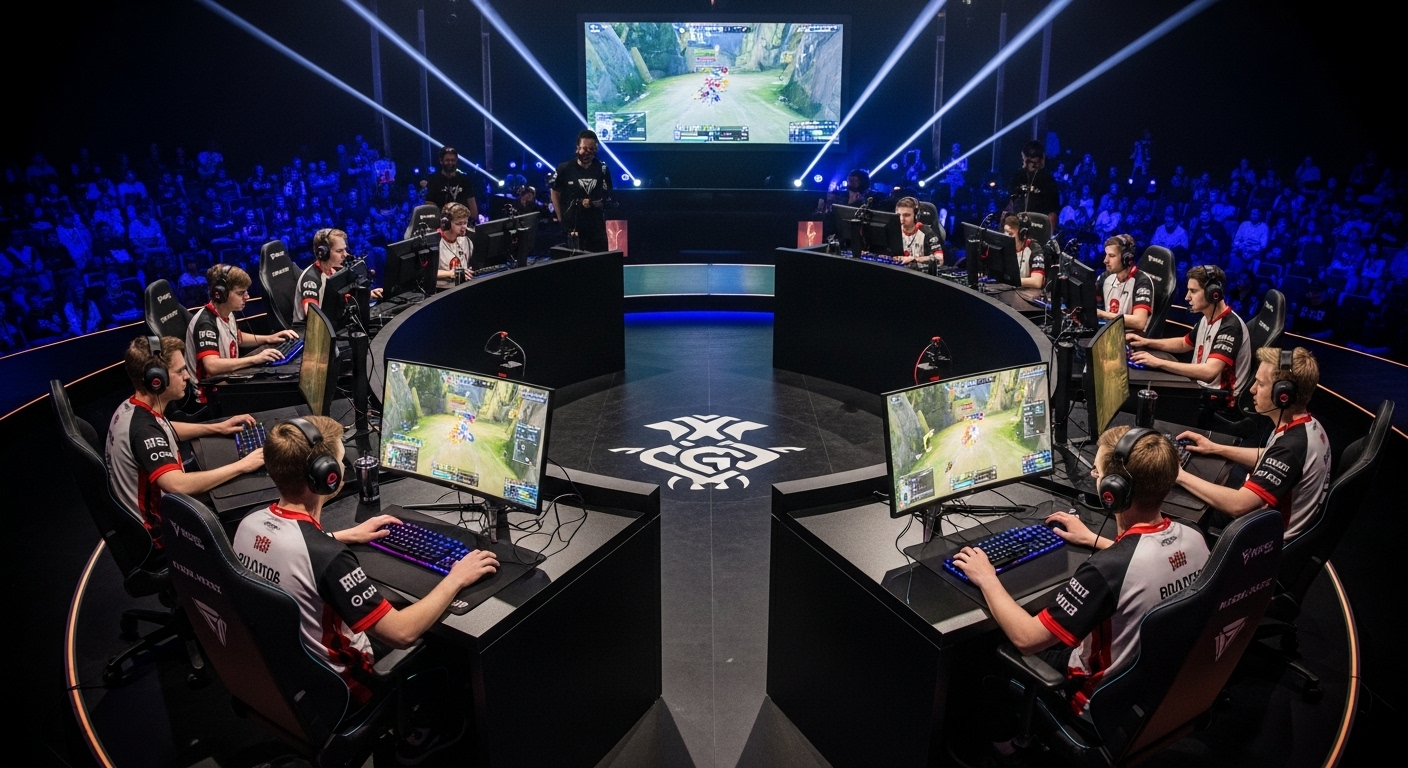
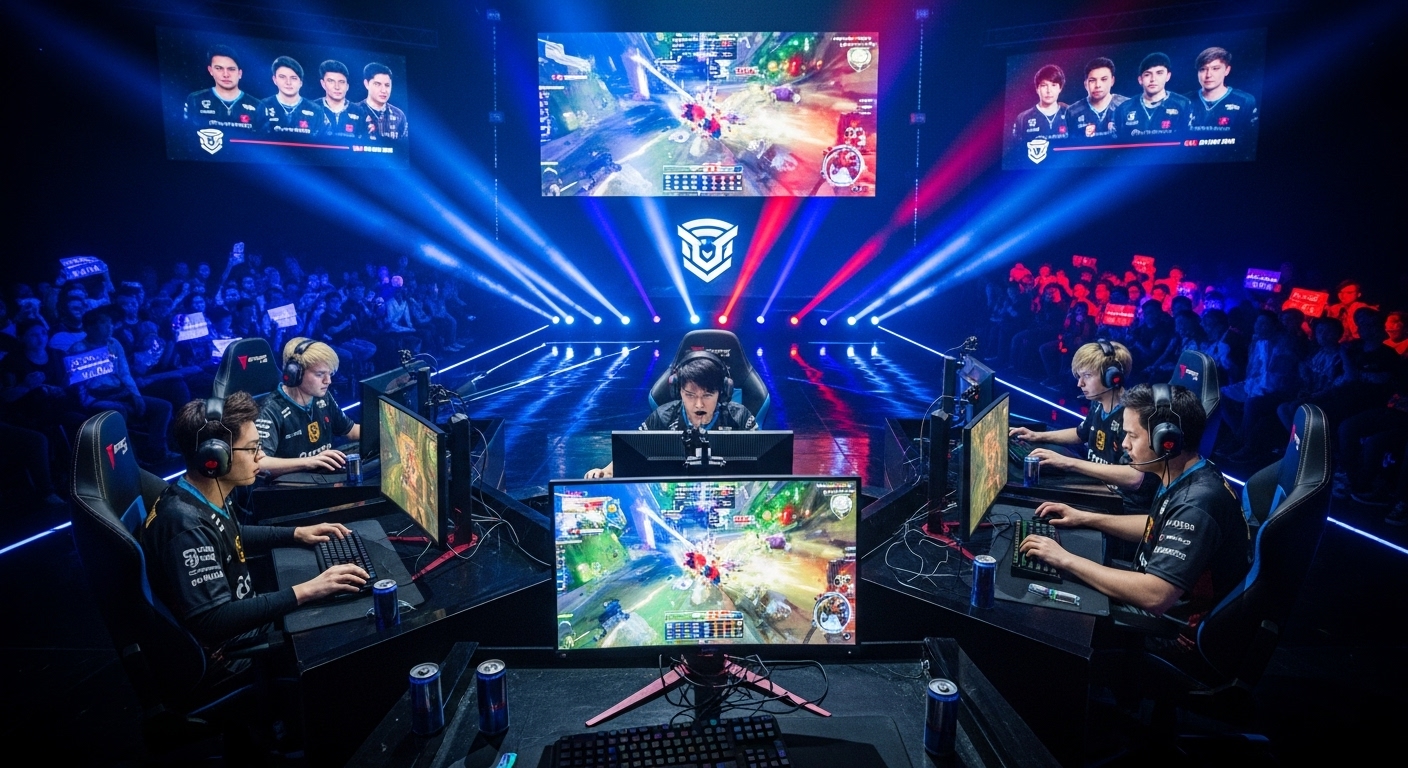
Today, major tournaments are grand spectacles with thousands of spectators in stadiums, live commentary, cinematic broadcasts, and high production values. Events like the Dota 2 International and the League of Legends World Championship feature prize pools that exceed millions of dollars. These tournaments combine competition and entertainment, elevating esports to a professional level comparable to traditional sports.
Professionalization of Esports
Esports has become a viable career for many players. Professional gamers train extensively, dedicating eight to twelve hours a day to practice. Their routines often include strategy development, skill refinement, physical conditioning, and mental training. Teams operate like traditional sports franchises, employing coaches, analysts, nutritionists, and psychologists to support players.
Sponsorship plays a crucial role in the professional ecosystem. Global brands, technology companies, and energy drink manufacturers provide financial backing for teams and tournaments. This professionalization has enhanced the level of competition, attracted new audiences, and established esports as a respected career path.
Popular Esports Genres and Titles
Esports encompasses a wide range of game genres, each appealing to different types of players and fans.
Multiplayer Online Battle Arena (MOBA) Games
Games like League of Legends and Dota 2 are team-based, requiring strategy, coordination, and individual skill. Success depends on teamwork, map awareness, and decision-making under pressure. These games have some of the largest fan bases and the most prestigious tournaments in esports.
First-Person Shooters (FPS)
Titles like Counter-Strike: Global Offensive, Overwatch, and Call of Duty emphasize precision, reflexes, and tactical execution. Players compete in fast-paced matches where reaction time and strategic positioning can determine the outcome.
Fighting Games
Fighting games such as Street Fighter, Tekken, and Super Smash Bros. focus on timing, execution, and adaptability. These games are highly competitive, often featured in both online and live tournaments with dedicated communities.
Sports Simulations
Digital versions of real-world sports, such as FIFA and NBA 2K, provide competitive environments for sports enthusiasts. These games allow players to simulate professional matches, engage in leagues, and compete internationally.
Streaming and Digital Platforms
The growth of esports is closely tied to streaming platforms like Twitch and YouTube Gaming. Millions of fans watch matches in real-time, interact with players, and engage with global communities. Streaming has transformed esports from a niche hobby into a social and interactive form of entertainment.
Digital platforms also democratize access to esports. Amateur players can broadcast their games, gain followers, and even attract sponsorships. Fans can participate in chat, share experiences, and build communities around their favorite games and players, further fueling the global growth of esports.
Cultural Impact of Esports
Esports has become a central part of digital youth culture. Gaming communities form online and offline, fostering creativity through fan art, memes, cosplay, and video content. The culture emphasizes skill, strategy, teamwork, and sportsmanship while creating global connections.
Participation in esports encourages the development of essential skills such as communication, leadership, and problem-solving. These competencies often translate beyond gaming into personal and professional growth, making esports more than just entertainment — it is a platform for learning and collaboration.
Economic Influence of Esports
The esports industry generates billions in revenue through sponsorships, advertising, media rights, merchandise, and live event tickets. Major tournaments stimulate local economies, boosting tourism, hospitality, and employment opportunities.
Merchandising, such as team jerseys, peripherals, and collectibles, provides additional revenue streams while fostering fan loyalty. Careers in coaching, event management, content creation, and broadcasting have emerged alongside professional players, creating a diverse and sustainable economic ecosystem.
Esports Compared to Traditional Sports
Esports shares many similarities with conventional sports, including competition, teamwork, fan engagement, and professional leagues. However, it also has unique features. Digital platforms remove geographical limitations, and success relies primarily on cognitive skills, reflexes, and strategy rather than physical strength.
Traditional sports organizations increasingly integrate esports into their operations. Teams maintain competitive gaming divisions, and tournaments are held in stadiums historically reserved for conventional sports. This convergence highlights the growing legitimacy of esports as a competitive and entertainment platform.
Sponsorship and Media Exposure
Sponsorships are essential to the growth of esports. Brands engage with highly dedicated audiences, supporting tournaments, teams, and individual players. Media coverage has expanded beyond streaming to television broadcasts, documentaries, and news articles, bringing esports into the mainstream spotlight.
The increased visibility of esports attracts new talent, encourages investment, and enhances the overall ecosystem. Players gain recognition, fans engage with the content, and the industry continues to expand its global reach.
Diversity and Inclusivity
One of esports’ most important aspects is its potential for inclusivity. Physical ability is less relevant, allowing people of all genders, backgrounds, and abilities to participate competitively. Women and differently-abled players are gaining prominence, though challenges such as harassment and underrepresentation remain.
Organizations and communities are actively promoting diversity through inclusive policies, mentorship programs, and safe environments, ensuring that esports can thrive as a welcoming and equitable industry.
Mental and Physical Health Considerations
Professional esports requires long hours of practice and intense focus, which can affect mental and physical health. Teams increasingly employ fitness trainers, psychologists, and nutritionists to maintain player well-being.
Physical conditioning improves reflexes and stamina, while mental resilience helps players perform under pressure. Establishing a balance between training, rest, and personal life is essential for sustaining long-term careers and avoiding burnout.
Global Reach of Esports
Esports is a global phenomenon. South Korea and China are recognized as hubs for professional gaming, with structured leagues and government support. North America and Europe host major tournaments, while emerging markets in South America, the Middle East, and Africa are contributing to industry growth.
International competitions foster cultural exchange and global connectivity. Fans from around the world can follow the same events simultaneously, creating a sense of community and shared experiences across borders.
Education and Career Opportunities
Esports has created new educational and professional pathways. Universities offer scholarships, esports teams, and programs in game design, management, and broadcasting. Students can combine academic learning with competitive play, preparing for careers in professional gaming or related industries.
Beyond professional play, esports careers include coaching, event management, content creation, marketing, and analysis. The industry continues to expand, providing diverse opportunities for those interested in competitive gaming and digital entertainment.
The Future of Esports
The future of esports is marked by innovation and global expansion. Virtual reality, augmented reality, and artificial intelligence will enhance gameplay and spectator experiences. Mobile gaming will continue to increase accessibility, while esports will integrate further with mainstream entertainment, including music, film, and traditional sports.
Sustainability and inclusivity will be key priorities, ensuring equitable participation and responsible growth. Esports is poised to remain a major cultural and entertainment force, connecting communities and inspiring new generations of gamers worldwide.
Conclusion
Esports has grown from small arcade competitions to a global digital entertainment industry. It merges skill, strategy, teamwork, and technology to create immersive experiences that attract millions of players and viewers. Professional leagues, international tournaments, and diverse game genres have solidified esports as a respected and influential field.
Beyond competition, esports fosters creativity, collaboration, and cultural exchange. It offers career opportunities, personal growth, and entertainment to a global audience. As technology and global engagement continue to evolve, esports will remain a defining feature of modern entertainment, inspiring passion, connection, and shared experiences for years to come.
The story of esports is one of innovation, dedication, and community. It proves that in the digital age, skill, strategy, and teamwork can transcend borders, creating a global culture centered around competition, entertainment, and human connection.