
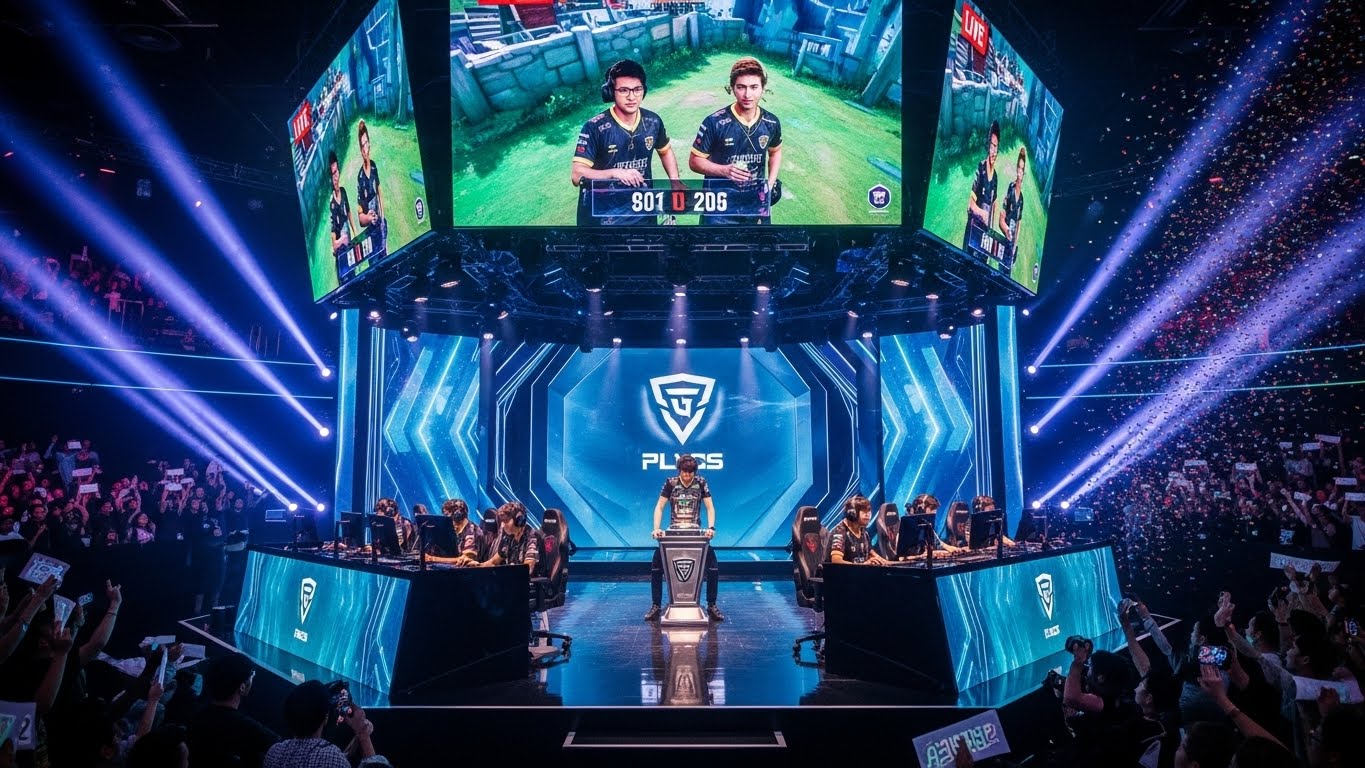
Esports, or electronic sports, has rapidly become one of the most captivating and dynamic industries of the 21st century. From a niche activity enjoyed by hobbyists to a billion-dollar global ecosystem, competitive gaming has taken the world by storm. The rise of esports has been marked by growing player talent, massive audiences, and lucrative sponsorships, positioning it as a serious contender to traditional sports in terms of both viewership and influence. In this blog post, we’ll explore the evolution of esports, the key factors behind its meteoric rise, and what the future holds for competitive gaming.
What is Esports?
Esports refers to organized, multiplayer video game competitions where players or teams face off in structured tournaments. These competitions can take many forms, ranging from online matches between individuals to large-scale, live events held in massive arenas. Esports covers a wide array of game genres, including real-time strategy (RTS), first-person shooters (FPS), multiplayer online battle arenas (MOBA), and sports simulation games.
Unlike casual gaming, esports involves a high level of skill, strategy, and dedication. It’s not just about having fun; professional esports players train and compete just like athletes in traditional sports. The games played in esports require a deep understanding of mechanics, timing, teamwork, and mental agility. Some of the most popular esports titles include League of Legends, Counter-Strike: Global Offensive, Dota 2, Fortnite, and Overwatch.
The Origins of Esports: From LAN Parties to Global Arenas
Esports didn’t start as a global phenomenon—it grew out of local gaming gatherings. In the early 1990s, gamers began participating in LAN (Local Area Network) parties, where they would connect their computers to play multiplayer games. While these gatherings were fun and competitive, they were small-scale events that attracted a niche audience.
The real turning point for esports came in the late 1990s and early 2000s. Titles like StarCraft and Quake paved the way for larger, more structured tournaments. The first major international esports tournament, the World Cyber Games (WCG), was launched in 2000 and helped establish a formal competitive gaming scene. As games like Warcraft III and Counter-Strike gained popularity, larger tournaments emerged, offering more substantial prize pools and attracting bigger audiences.
By the mid-2000s, the rise of high-speed internet access made online multiplayer games and streaming more accessible, allowing players from different parts of the world to compete against each other in real-time. The global reach of the internet made esports a truly international phenomenon, with fans and competitors from all corners of the world participating in and watching these tournaments.
The Explosion of Esports: How Gaming Became a Global Industry
The evolution of esports from a hobby to a global industry can be attributed to a number of key factors. First, the growth of streaming platforms such as Twitch and YouTube Gaming provided an outlet for esports fans to watch live events and follow their favorite players. Streaming allowed fans to engage with content creators, participate in live chats, and be part of the esports community in real-time. These platforms not only brought esports to a global audience but also gave players and teams a platform to build personal brands and connect with their fans.
Second, the growth of mobile and PC gaming made esports more accessible to a larger audience. As gaming devices became more affordable and user-friendly, more people were able to engage with competitive gaming. Titles like League of Legends, Dota 2, and Fortnite reached millions of players worldwide, increasing the overall visibility of esports.
Third, esports became more professionalized. Esports organizations began to establish themselves as legitimate businesses, offering professional contracts to players, hiring coaches, analysts, and support staff, and establishing team headquarters. Sponsorships from major brands like Coca-Cola, Intel, and Red Bull brought in significant revenue, allowing teams to further invest in training and infrastructure. These organizations also began to organize high-quality tournaments, which attracted millions of viewers both online and in live arenas.
The Business of Esports: Money, Sponsorships, and Growth
The economic potential of esports is enormous. As of 2020, the global esports industry was valued at over $1 billion, and its growth shows no signs of slowing down. One of the biggest revenue streams for esports comes from sponsorships. Major brands across industries, from technology to fashion to beverage companies, are now actively investing in esports. Sponsorships and partnerships with brands like Nike, Mercedes-Benz, and Audi have brought a level of legitimacy to esports, establishing it as a serious business.
Another significant revenue source for esports comes from media rights. Broadcasting deals, where networks or streaming platforms pay for the rights to air major esports tournaments, have become a lucrative market. For example, the League of Legends World Championship is regularly broadcast on television networks and streaming platforms in multiple countries. This not only provides fans with access to high-quality live broadcasts but also generates substantial income for organizers and teams.
Prize money in esports has also skyrocketed. Some of the biggest tournaments, such as The International (Dota 2) and Fortnite World Cup, offer prize pools in the tens of millions of dollars. The prize pools are often funded through contributions from the gaming community itself, such as in-game purchases or crowdfunding campaigns. This has created an ecosystem where both players and fans are financially invested in the success of esports.
In addition to sponsorships, media rights, and prize money, esports also generates revenue through merchandising, ticket sales for live events, and digital content such as exclusive team streams, video documentaries, and social media promotions. These various revenue streams have created a diverse and sustainable business model for the esports industry.
The Players: Skill, Dedication, and the Path to Professionalism
Being a professional esports player is no easy feat. It requires an immense amount of skill, dedication, and time. Just like traditional athletes, esports players spend countless hours honing their craft. They practice their gameplay, develop strategies with their teams, and study their opponents to improve their chances of success. Professional players often have rigorous training schedules and must maintain their physical and mental health to stay competitive.
Esports players must also be highly adaptable, as the competitive gaming scene is constantly evolving. Games frequently receive updates and patches that can change the meta (the most effective strategies and tactics). Players need to be quick to adapt to new changes and adjust their strategies accordingly. In addition to raw gaming skill, esports players need to excel in communication and teamwork, especially in team-based games like League of Legends and Counter-Strike: Global Offensive.
However, becoming a professional esports player isn’t just about winning tournaments—it’s about building a personal brand. Many esports players leverage social media platforms like Twitch, YouTube, and Twitter to connect with their fans, share behind-the-scenes content, and create a following. As a result, successful esports players can turn their popularity into lucrative streaming careers, sponsorships, and endorsement deals.
The esports ecosystem also provides opportunities for other roles, such as coaches, analysts, broadcasters, and managers. Coaches help players develop their skills, analyze gameplay, and prepare for matches, while analysts and broadcasters provide expert commentary and analysis during live events. These support staff roles have become increasingly important as the industry grows and professionalizes.
Esports and the Global Audience: Building Communities
Esports is not just a competition—it’s a social phenomenon. The community surrounding esports is vast and highly engaged, with fans from around the world participating in online discussions, attending live events, and cheering on their favorite teams and players. The growth of online streaming platforms has enabled esports fans to interact with one another in real-time, watch live tournaments, and even participate in virtual events and challenges.
Esports has also brought together diverse communities, as fans from different countries, cultures, and backgrounds share a common interest in competitive gaming. The accessibility of esports means that anyone with an internet connection can participate in or enjoy the action, whether through playing the games themselves or simply watching the tournaments. This has created a unique sense of global unity, with fans bonding over their love for specific games and players.
In addition to traditional esports tournaments, events like fan meetups, cosplay competitions, and charity streams further strengthen the connection between players and fans. Esports isn’t just about the competition—it’s about celebrating a shared passion for gaming and creating a sense of belonging among fans.
The Future of Esports: A New Era of Gaming
As esports continues to grow, its future looks bright. Technological advancements such as virtual reality (VR) and augmented reality (AR) could revolutionize how esports is played and watched. Imagine participating in a VR tournament where you are physically immersed in the game world or watching an AR-enhanced broadcast that allows fans to interact with the action in new ways. The possibilities are endless.
The mobile gaming market is another area where esports is poised for growth. With mobile devices becoming more powerful, games like PUBG Mobile and Clash Royale are drawing huge numbers of players and viewers. Mobile esports tournaments are already gaining traction, particularly in regions like Southeast Asia, and we can expect this trend to continue as mobile gaming technology improves.
Moreover, esports is likely to become more integrated with mainstream sports. Traditional sports organizations are beginning to invest in esports, with some even creating their own esports leagues. We may see a future where esports and traditional sports coexist, with fans engaging in both types of competitions.
Finally, esports is expected to become a key part of educational systems. Universities around the world are starting to offer esports scholarships and build competitive teams, providing a pathway for young gamers to turn their passion into a career. The rise of esports as a legitimate career option has opened up new opportunities for students and aspiring professionals.


