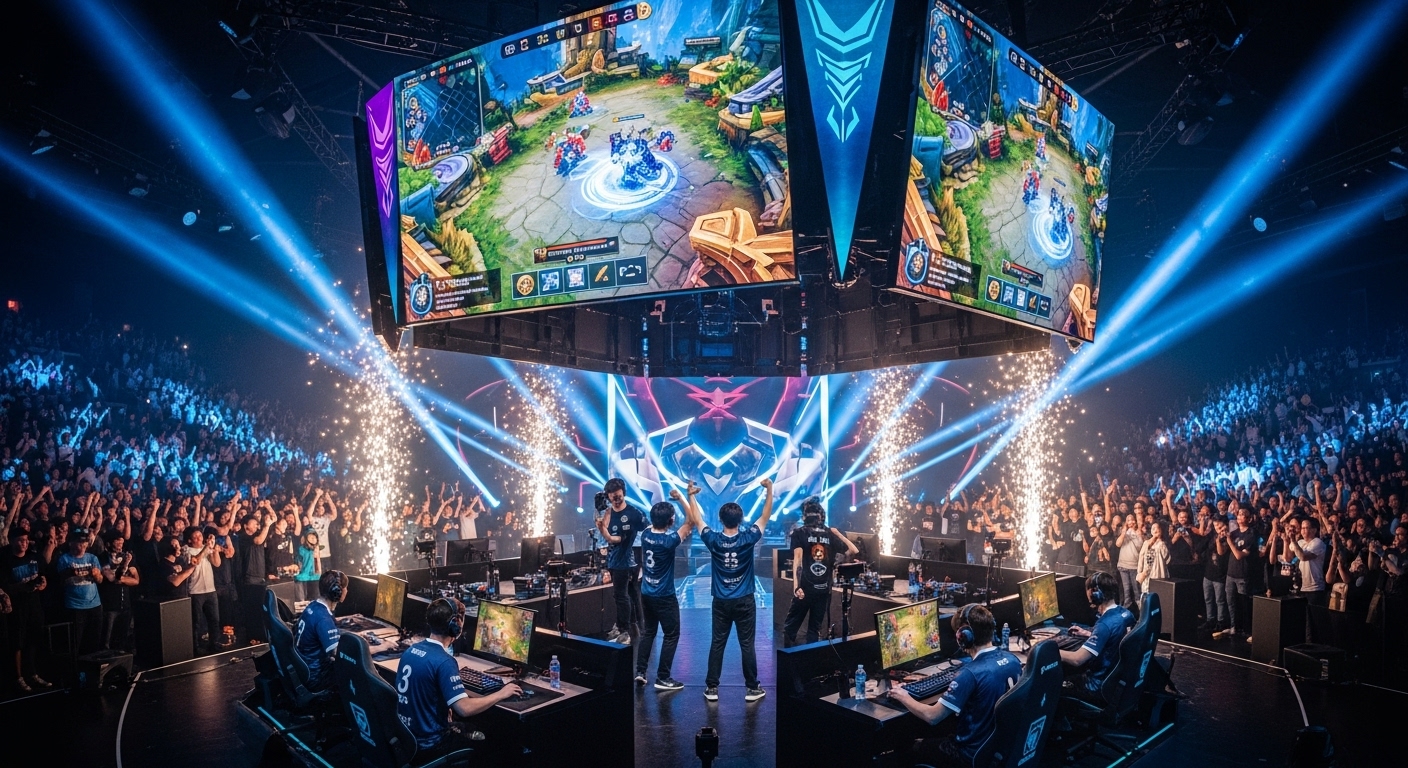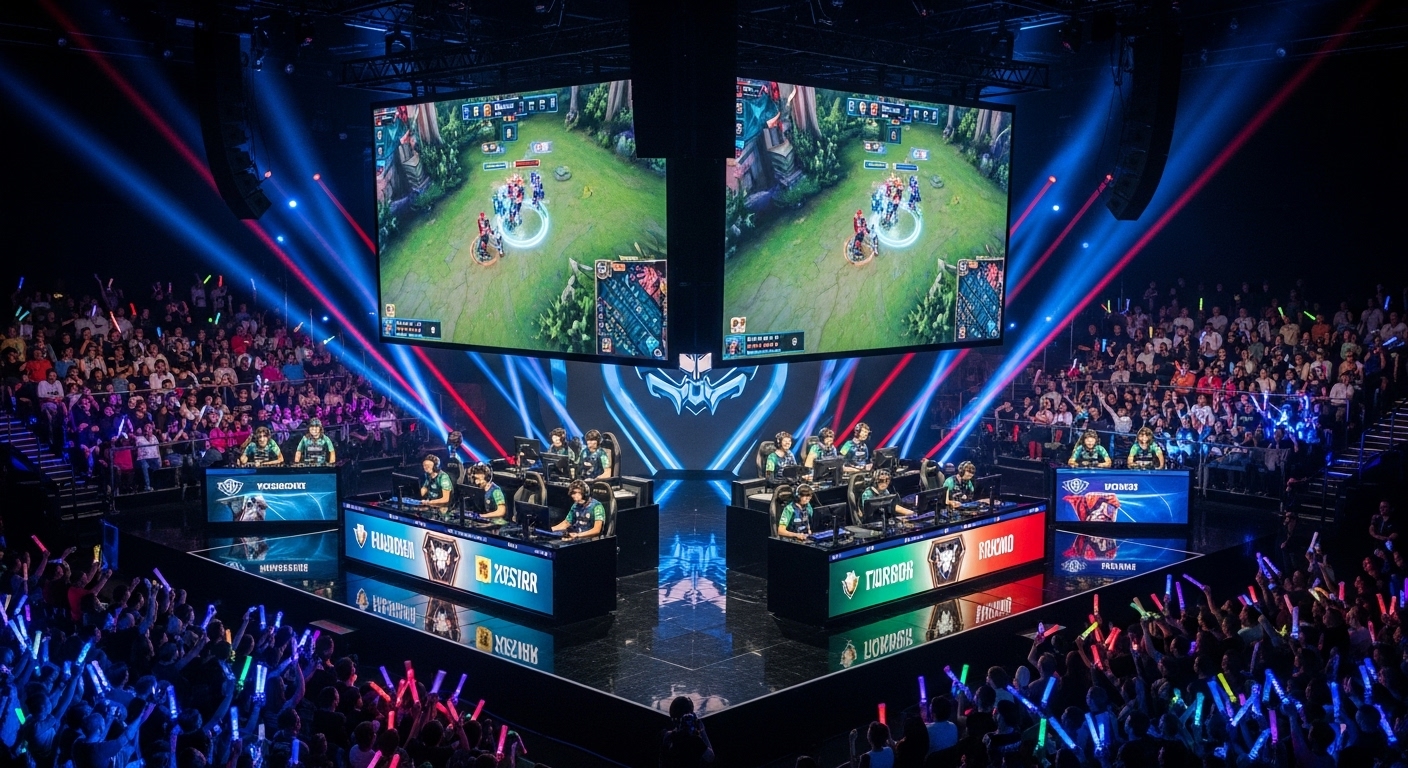

Esports, or electronic sports, has transformed from a niche hobby into a global phenomenon over the last two decades. What once began as casual competitions among friends in small LAN parties has now evolved into a billion-dollar industry, attracting millions of viewers worldwide, securing major sponsorships, and even earning recognition as a legitimate sport. The growth of esports has been fueled by advancements in technology, increased internet accessibility, and the cultural shift towards digital entertainment. In this blog, we explore the world of esports, its history, the games that dominate the scene, the rise of professional players, and the future of competitive gaming.
The Origins of Esports
The concept of competitive video gaming dates back to the 1970s and 1980s, when arcade games first gained popularity. One of the earliest known competitions was the 1980 “Space Invaders Championship” held in the United States, which attracted over 10,000 participants. During this period, video games were mostly seen as a pastime, not a serious competitive endeavor.
The 1990s marked a significant turning point with the release of multiplayer-focused games and the expansion of internet connectivity. Games like Quake and StarCraft allowed players to compete online, setting the stage for esports as a structured form of competition. South Korea, in particular, emerged as a hub for professional gaming, especially with StarCraft, which became a national obsession. Professional gamers were treated like celebrities, and gaming tournaments were broadcast on television, laying the foundation for the modern esports industry.
The Modern Esports Industry
Today, esports is a multi-billion-dollar industry with professional leagues, sponsorship deals, and massive prize pools. According to recent estimates, the global esports market exceeds three billion dollars in revenue and continues to grow rapidly. Key factors driving this growth include increased investment from corporate sponsors, the proliferation of streaming platforms, and the mainstream acceptance of gaming as a competitive sport.
Esports has transcended geographical boundaries, creating global communities of players and fans. International tournaments like The International for Dota 2 or the League of Legends World Championship attract millions of viewers and feature prize pools exceeding tens of millions of dollars. This level of visibility has created new career opportunities, not only for players but also for coaches, analysts, commentators, and content creators.
Popular Esports Titles
Esports encompasses a wide range of game genres, each with its unique competitive scene and dedicated fanbase. Some of the most popular esports titles include:
Multiplayer Online Battle Arenas (MOBAs)
MOBAs like League of Legends and Dota 2 dominate the esports landscape. These games involve two teams of players competing to destroy the opponent’s base while strategically managing resources and controlling powerful heroes or champions. MOBAs require intense coordination, strategic thinking, and fast reflexes, making them ideal for professional competition.
First-Person Shooters (FPS)
FPS games, such as Counter-Strike: Global Offensive and Valorant, emphasize precision, teamwork, and tactical gameplay. Players compete in matches where they must eliminate opponents, complete objectives, and execute strategies under pressure. FPS tournaments are particularly popular due to their fast-paced action and the high skill ceiling required to excel.
Battle Royale Games
The battle royale genre, popularized by titles like Fortnite and PUBG, involves large-scale survival matches where the last player or team standing wins. These games combine shooting mechanics with strategic positioning, resource management, and adaptability, offering a thrilling viewing experience for spectators.
Sports Simulations and Fighting Games
Games like FIFA, NBA 2K, and Street Fighter simulate real-world sports or fighting scenarios. These titles attract both casual and competitive players and have carved out dedicated esports circuits. The appeal lies in the familiarity of the sports combined with the unique skill sets required to master the game mechanics.
The Role of Streaming Platforms
Streaming platforms such as Twitch, YouTube Gaming, and Facebook Gaming have been instrumental in the growth of esports. These platforms allow fans to watch live matches, interact with players, and join communities that celebrate competitive gaming. Streaming has also provided gamers with new avenues to monetize their skills through sponsorships, donations, and ad revenue.
Live streaming has transformed esports from a niche activity to a mainstream spectacle. Major tournaments now draw millions of concurrent viewers, rivaling traditional sports events in popularity. Streamers and esports influencers play a crucial role in shaping trends, promoting games, and connecting with audiences in ways that were impossible before the digital era.
Professional Players and Teams
The rise of professional esports players mirrors the journey of traditional athletes. Players dedicate countless hours to practice, often starting at a young age, to refine their skills and climb competitive ladders. Professional teams employ coaches, analysts, and strategists to optimize performance and gain a competitive edge.
Top esports players enjoy celebrity status, lucrative contracts, and sponsorship deals. Names like Faker in League of Legends or s1mple in Counter-Strike are known globally, inspiring a new generation of gamers to pursue esports careers. However, the path to professional success is highly competitive, with only a small percentage of players reaching the highest levels of play.
Esports Tournaments and Leagues
Esports tournaments vary in scale from small regional events to massive international competitions. These events serve as the pinnacle of competitive gaming, offering fame, prestige, and substantial financial rewards. Some notable tournaments include:
- The International (Dota 2): Famous for its record-breaking prize pools, often exceeding $40 million.
- League of Legends World Championship: One of the most-watched esports events globally, showcasing elite teams from multiple regions.
- CS:GO Major Championships: High-stakes tournaments featuring the best FPS players in the world.
- Fortnite World Cup: A battle royale event that brought esports to mainstream media attention.
Professional leagues, such as the Overwatch League and Call of Duty League, operate on a city-based franchise system, similar to traditional sports leagues. This structure has helped stabilize the esports ecosystem, attract long-term investments, and build fan loyalty.
The Economic Impact of Esports
Esports has become a significant economic force, generating revenue through multiple channels. Sponsorships and advertising form the backbone of esports income, with companies eager to reach young, tech-savvy audiences. Merchandise sales, media rights, and ticket sales for live events further contribute to the industry’s growth.
Esports has also created job opportunities beyond professional players. Analysts, shoutcasters, content creators, event organizers, and game developers all play a role in the ecosystem. Educational institutions are beginning to offer esports programs, scholarships, and training facilities, signaling a shift towards mainstream recognition.
Esports and Society
The cultural impact of esports cannot be overstated. Gaming has shifted from being a solitary hobby to a social and competitive activity. Esports fosters community engagement, teamwork, and strategic thinking, providing positive outlets for creativity and social interaction.
Moreover, esports has begun to challenge stereotypes surrounding gaming. Competitive gaming requires discipline, communication, and mental agility—skills that are highly valued in other professional and academic settings. As a result, esports is increasingly being recognized for its potential to nurture talent and develop transferable skills.
Challenges Facing Esports
Despite its rapid growth, esports faces several challenges. One major issue is the mental and physical strain on professional players, who often endure long practice hours and high-pressure environments. Burnout and health problems are common, prompting teams and organizations to prioritize wellness programs.
Another challenge is the lack of standardized regulation. While some leagues maintain strict rules regarding fair play, doping, and match-fixing, the industry as a whole is still developing governance structures. Additionally, accessibility remains a barrier in certain regions, where limited infrastructure or economic constraints prevent participation.
The Future of Esports
The future of esports looks promising, with emerging technologies and growing mainstream acceptance paving the way for further expansion. Virtual reality (VR) and augmented reality (AR) are likely to create new immersive competitive experiences. Mobile esports is also gaining momentum, particularly in regions where smartphones are the primary gaming device.
As esports continues to integrate with mainstream media, we may see increased collaboration with traditional sports, more live broadcasts, and the inclusion of esports in major international sporting events. The development of standardized leagues, better player welfare systems, and enhanced global connectivity will further solidify esports as a long-term entertainment and professional avenue.
Conclusion
Esports has undergone a remarkable transformation from casual competitions in arcades to a global professional industry. With its diverse game genres, professional leagues, celebrity players, and enormous audiences, esports has firmly established itself as a legitimate form of competition and entertainment. As technology continues to advance and society embraces digital interaction, the influence of esports will only grow. It is no longer just a game; it is a cultural, economic, and social phenomenon shaping the future of entertainment and sports.
Esports represents a world where skill, strategy, and dedication converge in digital arenas, uniting players and fans across the globe. Its journey is far from over, and the next chapters promise even greater innovation, recognition, and excitement for everyone involved in this thrilling digital revolution.