
Introduction to the World of Esports
In the last two decades, the world has witnessed a massive transformation in how people perceive gaming. What was once seen as a simple leisure activity has now evolved into a billion-dollar global industry known as Esports. The term “Esports” refers to organized, competitive video gaming where professional players and teams compete in tournaments for prestige, sponsorships, and large prize pools. It has gone from being a niche hobby to a mainstream cultural and economic powerhouse, attracting millions of fans, investors, and media outlets across the world.
Esports represents more than just video games. It is a combination of passion, skill, technology, and community. The players dedicate countless hours to mastering strategies, improving reflexes, and analyzing their opponents—much like traditional athletes. The global recognition of Esports has blurred the lines between physical sports and digital competition, proving that mental dexterity, teamwork, and determination are equally valuable in the virtual arena.
The Origins and Evolution of Esports
The roots of Esports can be traced back to the early days of video gaming in the 1970s and 1980s. The first known video game competition took place in 1972 at Stanford University, where students competed in the game “Spacewar.” Though small in scale, this event marked the beginning of competitive gaming. During the 1980s, the popularity of arcade games such as “Pac-Man” and “Donkey Kong” led to local and national contests, where players tried to achieve the highest scores possible.
The real transformation began in the late 1990s and early 2000s with the rise of internet connectivity. Online multiplayer games like “Counter-Strike,” “StarCraft,” and “Quake” enabled players from different regions to compete without being in the same location. This era marked the foundation of professional Esports as organized tournaments began to appear. South Korea, in particular, became the first nation to treat Esports as a legitimate profession, broadcasting matches on television and building gaming stadiums.
By the 2010s, Esports had exploded into a global phenomenon. Streaming platforms such as Twitch and YouTube Gaming allowed millions of fans to watch live competitions from anywhere in the world. Games like “League of Legends,” “Dota 2,” “Overwatch,” and “Fortnite” turned competitive gaming into a form of entertainment rivaling traditional sports. Major tournaments began offering multi-million-dollar prize pools, drawing sponsorships from major brands and investments from traditional sports organizations.
The Structure and Organization of Esports
Modern Esports is highly organized and resembles professional sports leagues. There are professional teams, players, coaches, analysts, and managers who all play vital roles in the ecosystem. Each game has its own competitive circuit governed by developers or third-party organizations. For example, Riot Games organizes the “League of Legends World Championship,” while Valve runs “The International” for Dota 2.
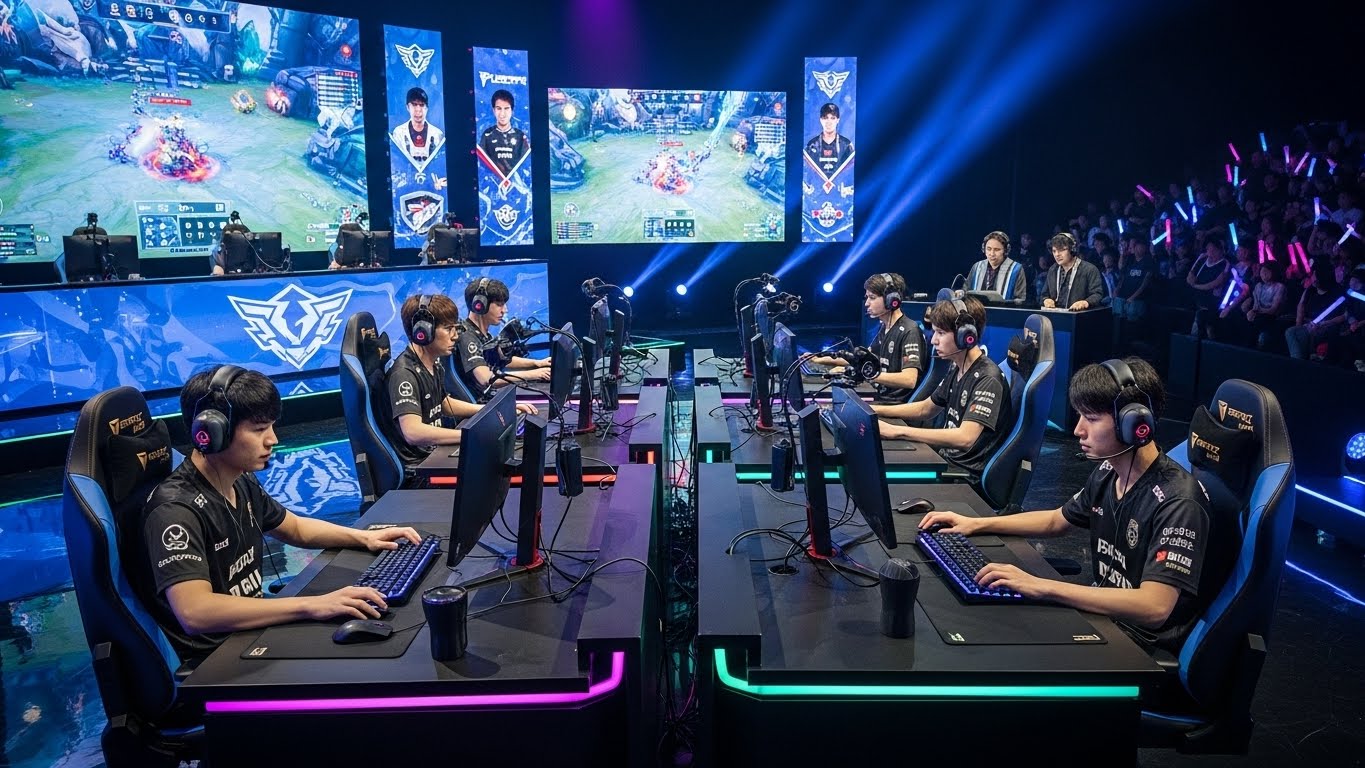
Teams operate much like football or basketball clubs, signing players under contracts, training in team houses, and participating in global tournaments. The players often specialize in specific roles depending on the game. A typical Esports team might include players focusing on offense, defense, strategy, and support. Behind the scenes, analysts study gameplay footage, while coaches help refine strategies and improve teamwork.
Esports also has regional leagues similar to traditional sports divisions. The best teams from different regions qualify for international tournaments where they compete for global titles. These events are not only about skill but also about national pride, as fans cheer for their favorite teams representing their countries or regions.
The Role of Technology in Esports Development
Technology has been the backbone of Esports evolution. The advancement of high-speed internet, powerful gaming hardware, and sophisticated software has made it possible for millions of players to compete in real-time. High refresh-rate monitors, gaming peripherals, and optimized graphics have enhanced the precision and immersion of gameplay.
Additionally, live streaming technology has allowed Esports to reach global audiences. Broadcasting platforms now offer high-definition streams with real-time commentary, player statistics, and interactive chat systems. This interactivity has created a new kind of entertainment experience, blending the thrill of sports with the engagement of social media.
Artificial intelligence and data analytics are also playing a major role. Teams now use AI tools to analyze player behavior, predict opponent strategies, and improve team performance. Virtual reality and augmented reality technologies are on the horizon, promising to redefine how Esports are played and viewed.
The Professional Esports Player Lifestyle
The life of a professional Esports player is far from easy. Contrary to the stereotype of casual gaming, professional players train rigorously, often practicing for 8 to 12 hours a day. Their routines include team scrimmages, individual practice sessions, physical workouts, and mental conditioning. Because Esports demands extreme concentration and reaction times, maintaining both mental and physical health is critical.
Players often start young, with many professionals beginning their careers in their teens. The competitive lifespan of an Esports player can be short due to the intensity of training and the rapid evolution of game mechanics. Retirement usually happens in the late twenties, after which many players transition into coaching, streaming, or content creation.
Despite the challenges, the rewards can be immense. Top players earn impressive salaries, sponsorships, and prize winnings. Esports superstars like Faker, s1mple, and Ninja have become global icons, celebrated for their skill, dedication, and influence.
The Business of Esports
Esports is not just a competition—it is a thriving business ecosystem. The industry’s revenue comes from various sources such as sponsorships, advertising, ticket sales, merchandise, and media rights. Major brands from outside the gaming world—such as automobile, beverage, and technology companies—invest heavily in Esports because of its reach among younger audiences.
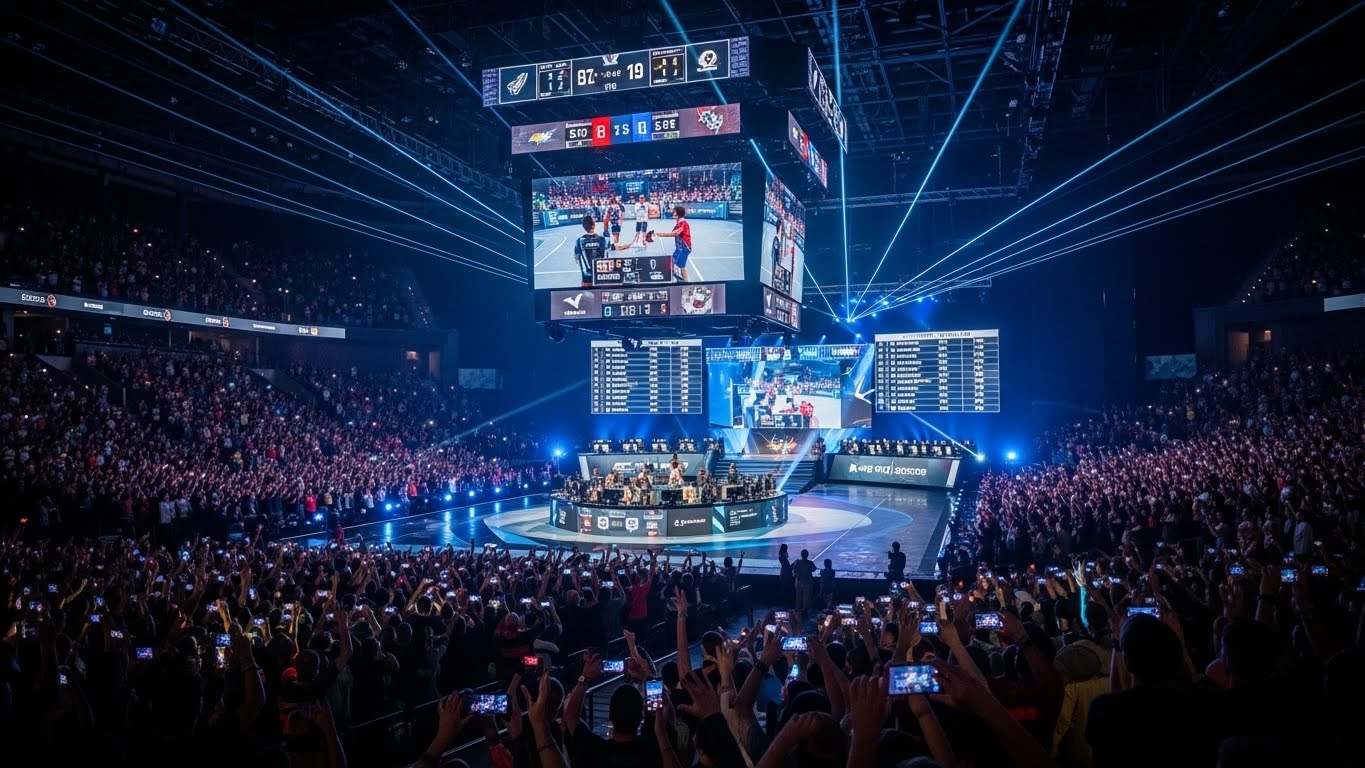
Esports events are held in massive arenas, sometimes filling stadiums that once hosted traditional sports. The spectacle of thousands of fans cheering for their favorite teams, combined with dazzling light shows and energetic commentators, creates an atmosphere similar to a championship football game.
Streaming platforms also play a major financial role. Millions of viewers tune in to watch live tournaments, contributing to ad revenue and viewership statistics that rival or surpass those of traditional television broadcasts. This digital-first approach makes Esports one of the most modern entertainment industries of our time.
Esports and Education
Interestingly, Esports has started to make its way into the world of education. Universities and schools around the world are beginning to recognize Esports as a legitimate field of study and competition. Scholarships for skilled players are becoming common, and programs are being developed to teach students about game design, management, broadcasting, and marketing within the Esports ecosystem.
Some institutions are even integrating Esports into their physical education curriculum, acknowledging the strategic and team-oriented nature of competitive gaming. This educational expansion is shaping the future workforce for a rapidly growing industry that demands technical expertise, creativity, and collaboration.
The Global Reach and Cultural Impact
Esports transcends geographical and cultural boundaries. Players and fans come from every corner of the globe, united by a shared love of gaming. In countries like South Korea, China, and the United States, Esports has become a part of mainstream entertainment culture. In Europe, countries such as Sweden, Germany, and France host major tournaments and nurture homegrown talent.
The inclusivity of Esports is one of its greatest strengths. Unlike many traditional sports that require specific physical attributes or resources, anyone with a computer, console, or smartphone can participate. This accessibility allows people from all backgrounds to compete on equal terms.
Esports has also played a significant role in bridging gaps between cultures. International tournaments foster global friendships and rivalries, promoting mutual respect and understanding. The universal language of gaming unites people in ways few other forms of entertainment can achieve.
The Role of Esports in the Future of Sports Entertainment
The rapid growth of Esports suggests that it will continue to reshape the entertainment industry. Traditional sports organizations are beginning to invest in Esports teams, recognizing the potential to engage younger audiences who are more inclined toward digital entertainment. Hybrid events that combine physical and digital competition are emerging, blurring the boundaries between virtual and real-world sports.
Esports is also influencing media production. Innovative broadcasting methods, virtual studios, and interactive fan experiences are setting new standards for live entertainment. With advancements in virtual reality, we may soon see immersive Esports experiences that allow fans to feel as if they are inside the game itself.
Challenges Facing the Esports Industry
Despite its success, Esports faces several challenges. One major issue is player burnout, as intense schedules can take a toll on mental and physical health. Another concern is the lack of consistent global regulations. Unlike traditional sports governed by established bodies, Esports often relies on individual game publishers to set the rules, leading to inconsistencies across tournaments.
Additionally, the industry must address issues such as cheating, match-fixing, and toxic online behavior. Maintaining integrity and professionalism is essential for Esports to continue gaining mainstream respect. There are also ongoing debates about gender equality, as the competitive scene is still heavily male-dominated. Efforts to encourage inclusivity and diversity are growing but require continued support from the community and organizations.
The Future of Esports Careers
Beyond players and teams, Esports has opened up countless new career paths. From event organizers and shoutcasters to game developers and digital marketers, the ecosystem relies on a wide range of professionals. Broadcasting, content creation, and social media management have become integral parts of the industry.
Esports journalism and analytics are also emerging fields. As tournaments grow in scale, the need for specialized coverage and statistical analysis increases. Game developers are hiring Esports consultants to help design competitive systems that appeal to both players and spectators.
These expanding opportunities make Esports not just a pastime but a sustainable career path for the modern digital age.
The Social and Psychological Impact of Esports
Beyond its commercial success, Esports has had a profound social impact. It provides a sense of belonging and identity for millions of fans worldwide. Online communities form around teams and players, fostering friendships and collaboration across cultures.
Esports has also helped many individuals improve critical thinking, decision-making, and teamwork skills. Studies suggest that playing competitive games can enhance cognitive functions such as problem-solving and coordination. However, the industry also emphasizes the importance of balance, as excessive gaming can lead to health concerns if not managed properly.
Conclusion: The Ongoing Journey of Esports
Esports is more than a trend—it is a revolution. From its humble beginnings in arcades and university halls to global stages filled with roaring fans, Esports has transformed into a powerful force that continues to redefine entertainment, technology, and culture. It reflects the modern world’s shift toward digital connectivity and creativity.
As the industry continues to grow, Esports stands as a testament to the power of passion and innovation. It has created opportunities, built communities, and inspired millions to pursue excellence in a new kind of sport. The journey is far from over. With each passing year, Esports becomes more sophisticated, inclusive, and influential, paving the way for a future where digital competition holds the same prestige as traditional athletic achievement.
The story of Esports is not just about gaming—it is about human potential in a digital age. And as technology continues to evolve, so too will the spirit of competition that drives this extraordinary world forward.