Introduction: The Digital Revolution of Sports
Esports is no longer a fringe interest; it has evolved into a powerhouse that commands the attention of millions globally. The days of video games being simply a pastime or hobby are long gone. Today, competitive gaming—also known as esports—has emerged as a cultural and economic phenomenon, attracting players, fans, and investors from every corner of the world. What was once confined to small LAN (Local Area Network) tournaments held in basements or local arenas has now transformed into a multi-billion-dollar industry that fills stadiums, attracts millions of online viewers, and garners sponsorships from global brands.
But this transformation did not happen overnight. The meteoric rise of esports is a product of technological advancements, the growing popularity of video games, and the deepening of fan culture. This blog will explore the history, growth, and future of esports, as well as its profound impact on both the gaming community and traditional sports.
The Birth of Esports: From Casual Play to Competitive Pursuit
In its earliest days, video games were primarily a source of personal entertainment. From arcades in the 1970s and 1980s to home consoles in the 1990s, gaming was mostly an individual activity. The concept of playing against others—whether friends or strangers—was largely limited to local multiplayer experiences. However, it wasn’t long before a subset of gamers started organizing competitions, testing their skills against one another.
The early 2000s marked the beginning of competitive gaming as we know it. Games like StarCraft, Warcraft III, and Quake brought competitive multiplayer gameplay into the spotlight. The first major esports event, the World Cyber Games (WCG), was launched in 2000, quickly gaining traction in Asia and becoming one of the most prestigious tournaments in the early years of esports.
However, esports’ true growth began in the mid-2000s with the advent of faster internet connections and the rise of multiplayer online battle arenas (MOBAs) like League of Legends and Dota 2. These games brought competitive gaming to new heights, offering deeper strategic gameplay, vibrant esports communities, and an ever-growing roster of tournaments.
Esports and the Rise of Online Streaming: A Game-Changer for the Industry
One of the most significant turning points in the growth of esports came with the rise of online streaming platforms, most notably Twitch. Launched in 2011, Twitch revolutionized the way fans engaged with competitive gaming. Streamers could broadcast their gameplay live, while viewers interacted with them in real-time via chat. This new level of accessibility allowed gamers to watch, learn, and engage with esports from the comfort of their homes.
The success of Twitch played a pivotal role in bringing esports into the mainstream. Competitive gaming could now be watched by millions across the world, and viewers could follow their favorite players and teams as if they were watching a professional sporting event. With massive tournaments like The International (Dota 2), League of Legends World Championship, and CS:GO Majors consistently drawing millions of viewers, the popularity of esports as a spectator sport reached new heights.
The Twitch phenomenon not only brought esports to a wider audience but also created new revenue streams. Twitch became a hub for advertisers, sponsors, and professional organizations looking to capitalize on the growing esports market. The platform’s affiliate and partner programs allowed streamers to earn income through subscriptions, ads, and donations, while also creating a sense of community between players and fans.
The Esports Industry Today: A Multi-Billion-Dollar Ecosystem
Esports is no longer just about playing games or watching others compete—it’s a complex, multi-faceted industry that includes a variety of stakeholders: players, teams, sponsors, content creators, event organizers, broadcasters, and fans. The scale of the esports ecosystem has exploded in recent years, with revenue reaching over a billion dollars annually.
The primary revenue sources for esports organizations and events include sponsorships, media rights, ticket sales, merchandise, and in-game item sales. Sponsorships play a crucial role in the industry’s financial success, with brands such as Coca-Cola, Intel, and Red Bull investing heavily in esports teams and events. These sponsorships not only provide financial backing for players and tournaments but also help raise the profile of esports as a legitimate form of entertainment.
Moreover, the global reach of esports has attracted major media companies. Networks like ESPN, Disney, and YouTube have increasingly broadcast esports events, further legitimizing competitive gaming as a mainstream form of entertainment. The cross-pollination between esports and traditional sports is evident in the increasing number of cross-promotions, including sports teams entering the esports arena and vice versa.
Esports as a Career: The Rise of the Professional Gamer
For the most talented players, esports has become a viable career path. Professional gamers today can make substantial incomes from tournament prizes, sponsorships, and streaming revenue. The most successful esports athletes earn salaries that rival those of professional athletes in traditional sports.
While the early days of esports were dominated by solo players, the modern esports landscape features highly-organized teams, much like any other professional sport. These teams compete in leagues, have coaching staff, analysts, and even psychologists. The infrastructure supporting players is sophisticated, with dedicated training facilities, team management, and strategic preparation for tournaments.
The rise of the esports professional athlete has also had a profound impact on the culture surrounding competitive gaming. Esports athletes now enjoy celebrity status, garnering sponsorships, endorsement deals, and even appearing in mainstream media outlets. Players like Faker (League of Legends), Ninja (Fortnite), and s1mple (CS:GO) are recognized by millions of fans, and their influence extends far beyond the gaming world.
However, as esports continues to grow, it also faces challenges, particularly in terms of player health and longevity. Many esports players start their careers at a young age, often around their teens, and face intense pressure to perform. Long hours of practice, travel, and competition can take a toll on a player’s physical and mental well-being, leading to concerns about burnout and mental health in the esports community.
Esports Tournaments and Events: The New Sporting Arenas
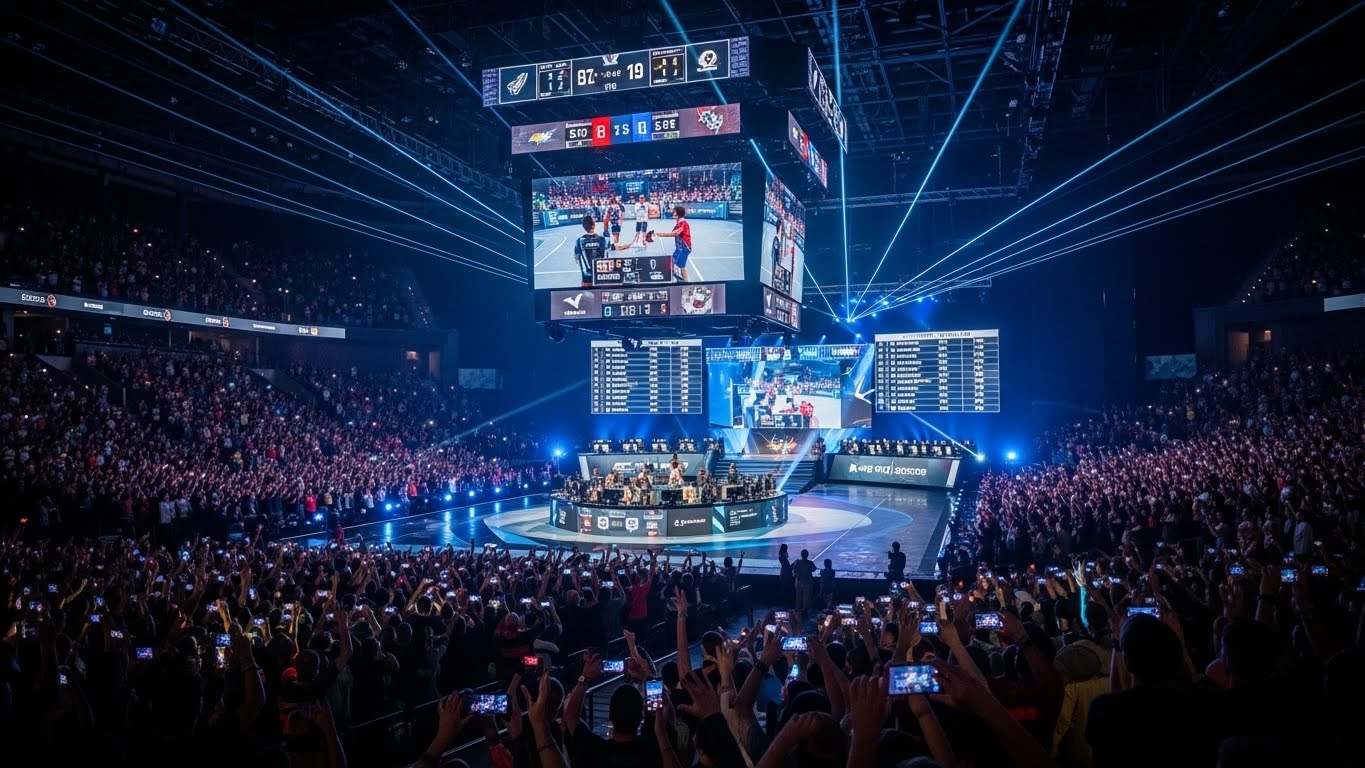
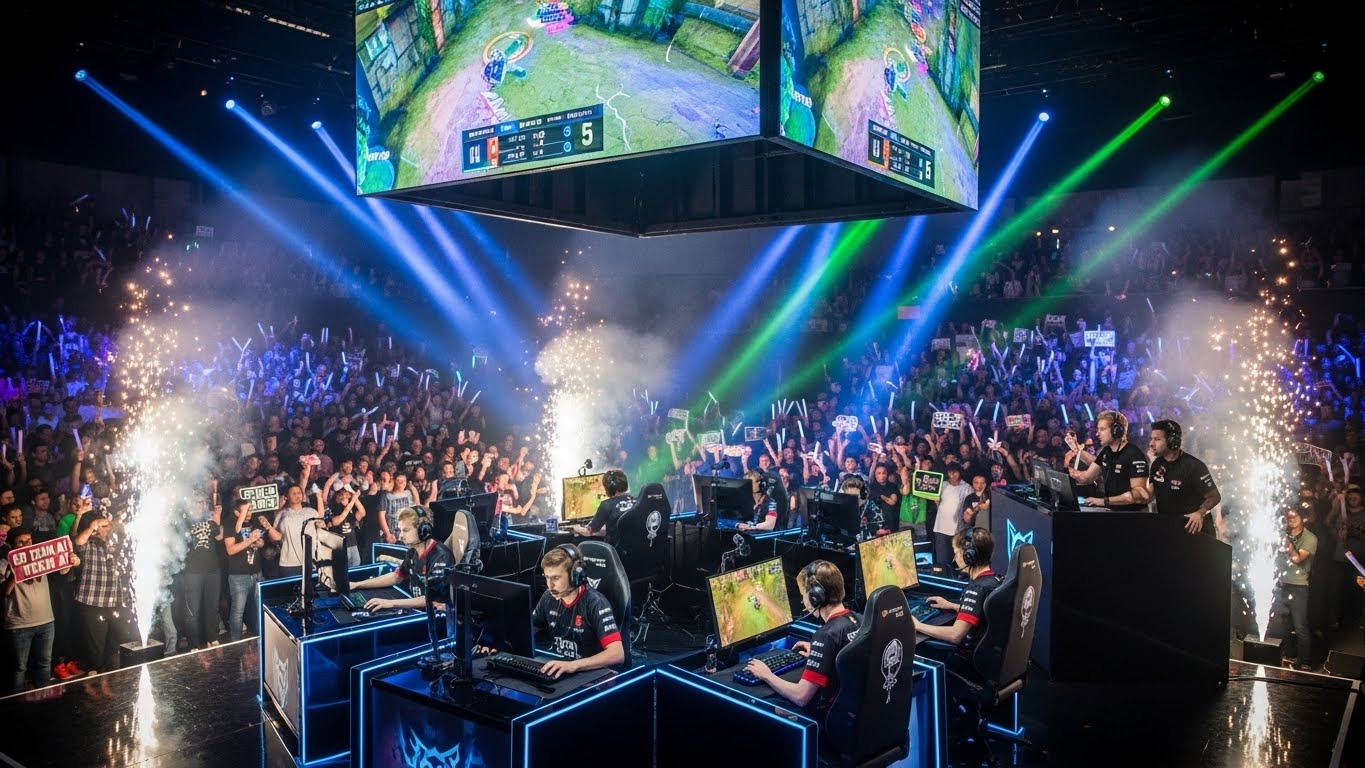
Esports tournaments have become massive events, often held in large stadiums with thousands of spectators. The League of Legends World Championship, The International, and Overwatch League Finals are some of the biggest events in esports, each attracting millions of viewers from around the world.
The excitement around these events is palpable, with fans filling arenas and watching the action unfold on giant screens, just like a traditional sporting event. Many of these tournaments offer multi-million-dollar prize pools, with the winning teams taking home life-changing amounts of money. In fact, the prize pool for The International 2019 reached over $34 million, making it one of the largest prize pools in esports history.
Moreover, live broadcasts and streaming platforms have allowed esports to transcend traditional boundaries. Fans from all over the world can now tune in to watch their favorite players and teams compete in real-time, while commentators and analysts provide expert insights into the action. Esports broadcasts have evolved to incorporate high-level production values, complete with player interviews, behind-the-scenes content, and live updates on the ongoing action.
The Cultural Impact of Esports: Gaming as a Mainstream Phenomenon
Esports is not only changing the way people view video games but also influencing broader aspects of popular culture. Gaming has become an integral part of modern entertainment, and esports has helped push it into the mainstream.
Esports tournaments have made their way into prime-time television, and major sporting events like the X Games and the Olympics have begun to consider incorporating esports into their programming. The rise of esports has also led to the development of gaming-related merchandise, music, and even fashion, with gamers sporting branded clothing, accessories, and gear associated with their favorite teams and events.
Additionally, esports has played a significant role in shifting the perception of gaming as a social activity. Where video gaming was once viewed as a solitary activity, esports has introduced an element of community and camaraderie. Online forums, fan groups, and social media platforms are now central to the esports experience, enabling fans to connect with one another, share content, and follow the latest trends in gaming.
The Future of Esports: What Lies Ahead?
The future of esports is incredibly promising, with new technologies and opportunities on the horizon. The integration of virtual reality (VR) and augmented reality (AR) could change the way esports are played and consumed, offering even more immersive experiences for both players and fans.
Furthermore, esports is likely to continue expanding into new regions, with emerging markets in Asia, Africa, and South America contributing to its growth. The increasing popularity of mobile gaming also suggests that mobile esports could play a larger role in the coming years, with games like PUBG Mobile and Mobile Legends already drawing large competitive followings.
Esports is also likely to continue blurring the lines between traditional sports and digital entertainment. As new partnerships between esports organizations, sports leagues, and media outlets are formed, the industry will become even more integrated into the fabric of global entertainment.
In conclusion, esports is more than just a digital competition; it is a global cultural phenomenon that continues to evolve and grow. From its humble beginnings to becoming a multi-billion-dollar industry, esports has captured the hearts and minds of millions worldwide. Its journey is far from over, and as technology advances and the community grows, the future of esports looks brighter than ever before.