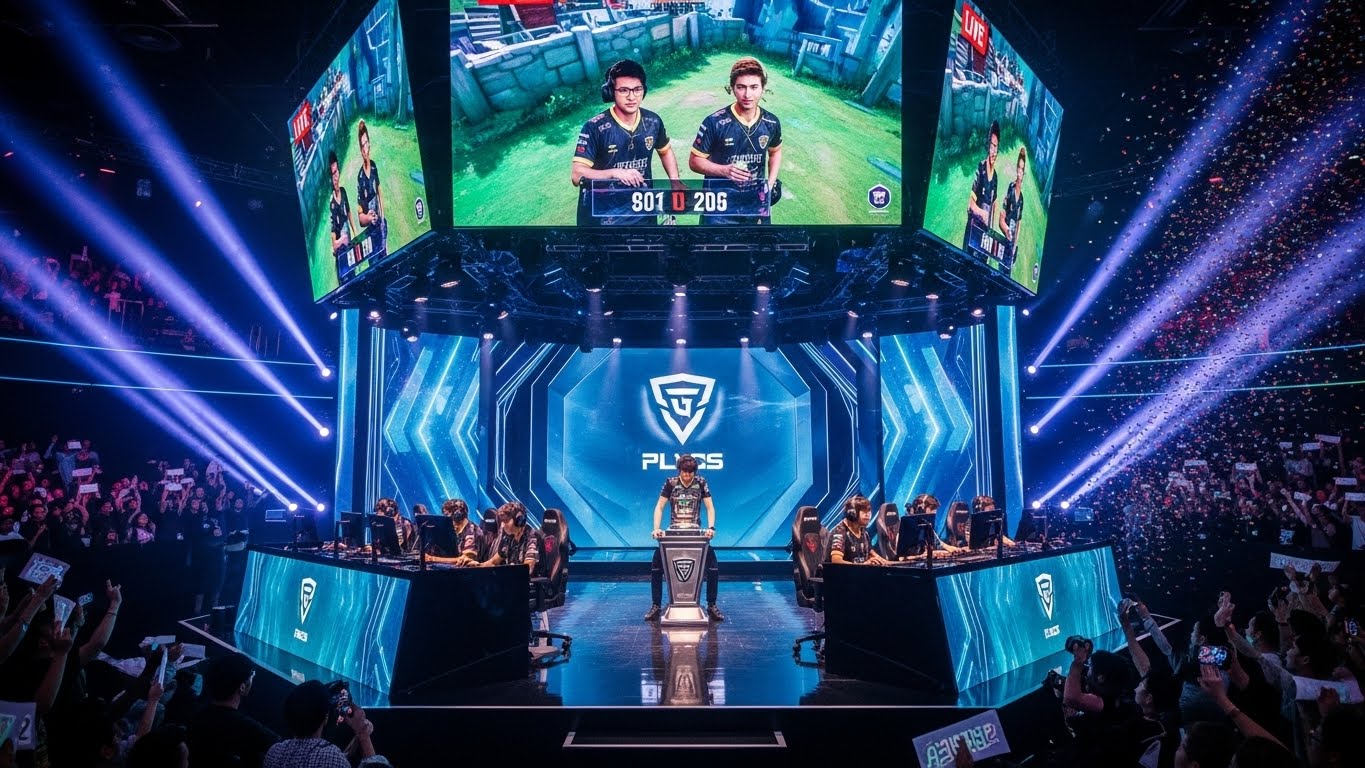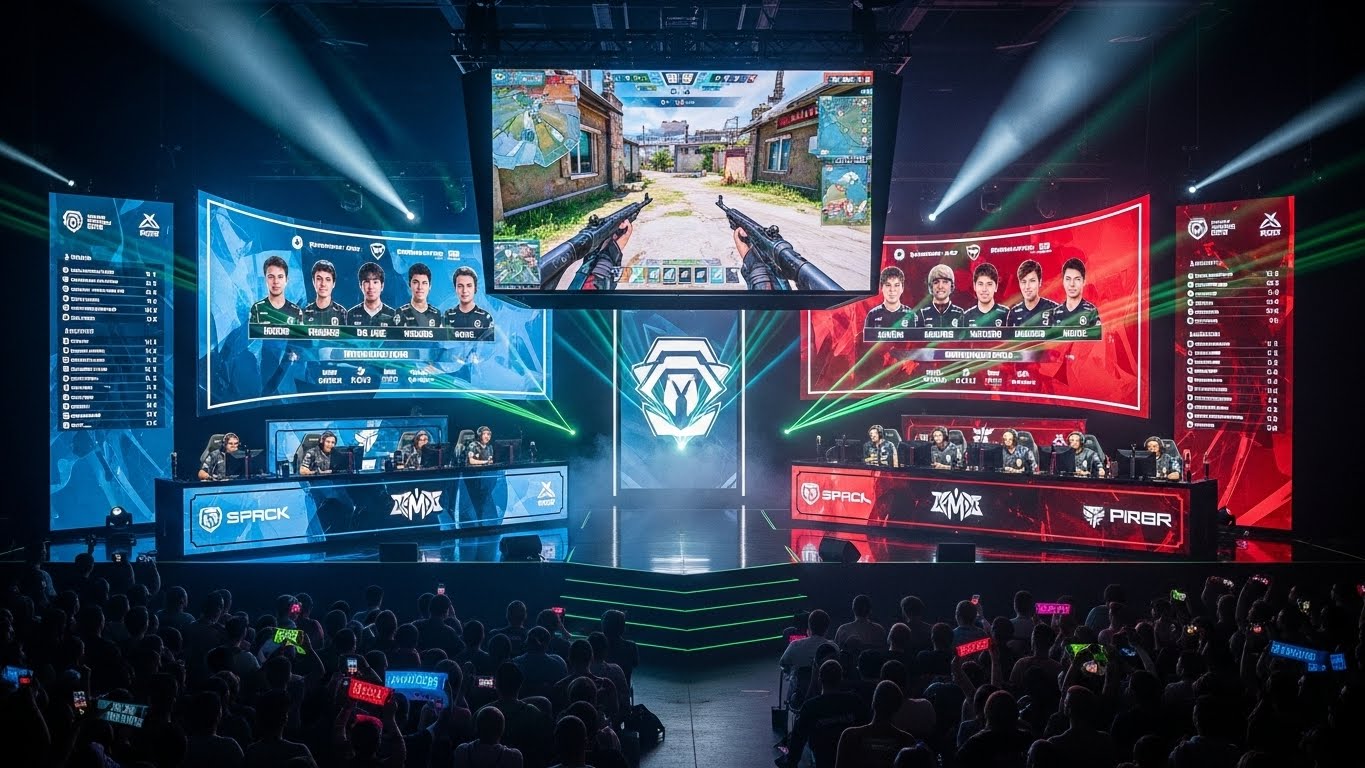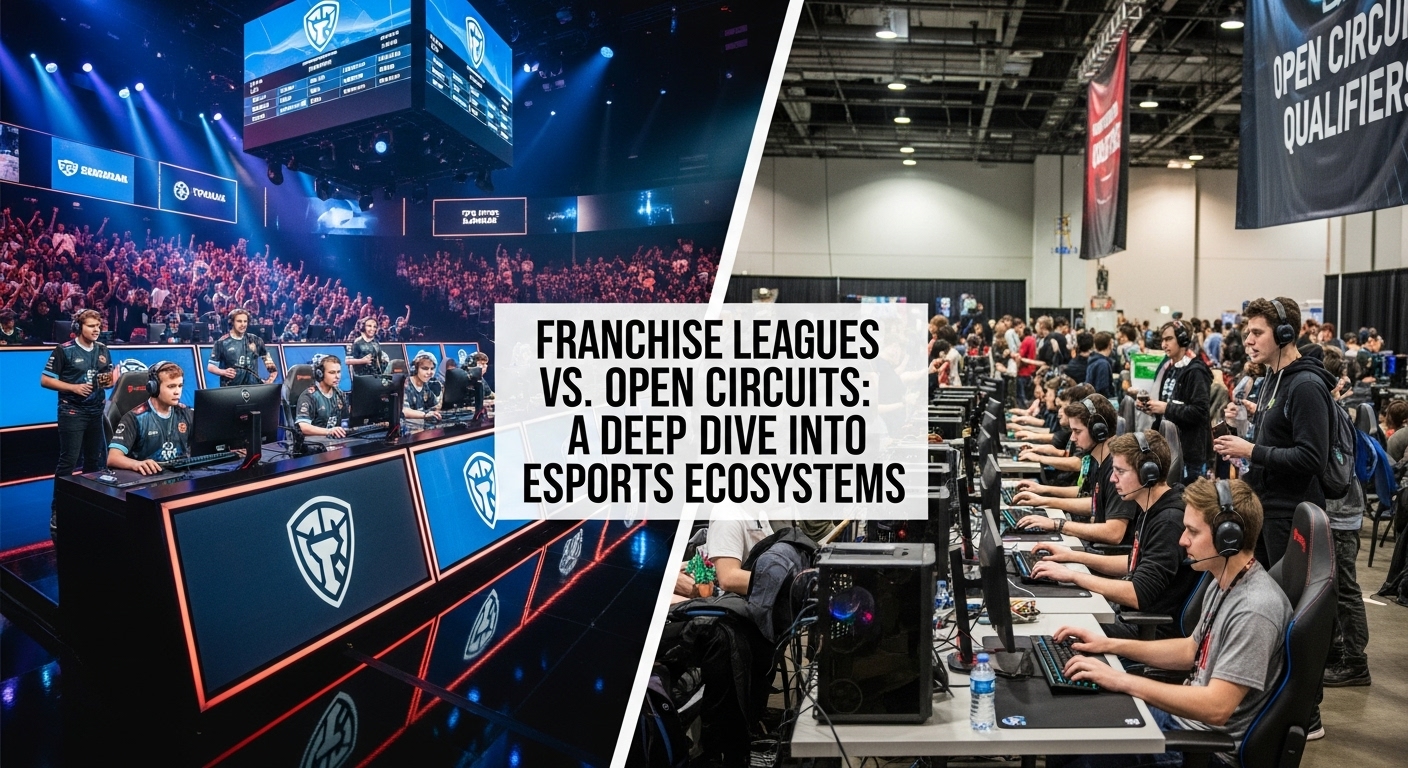
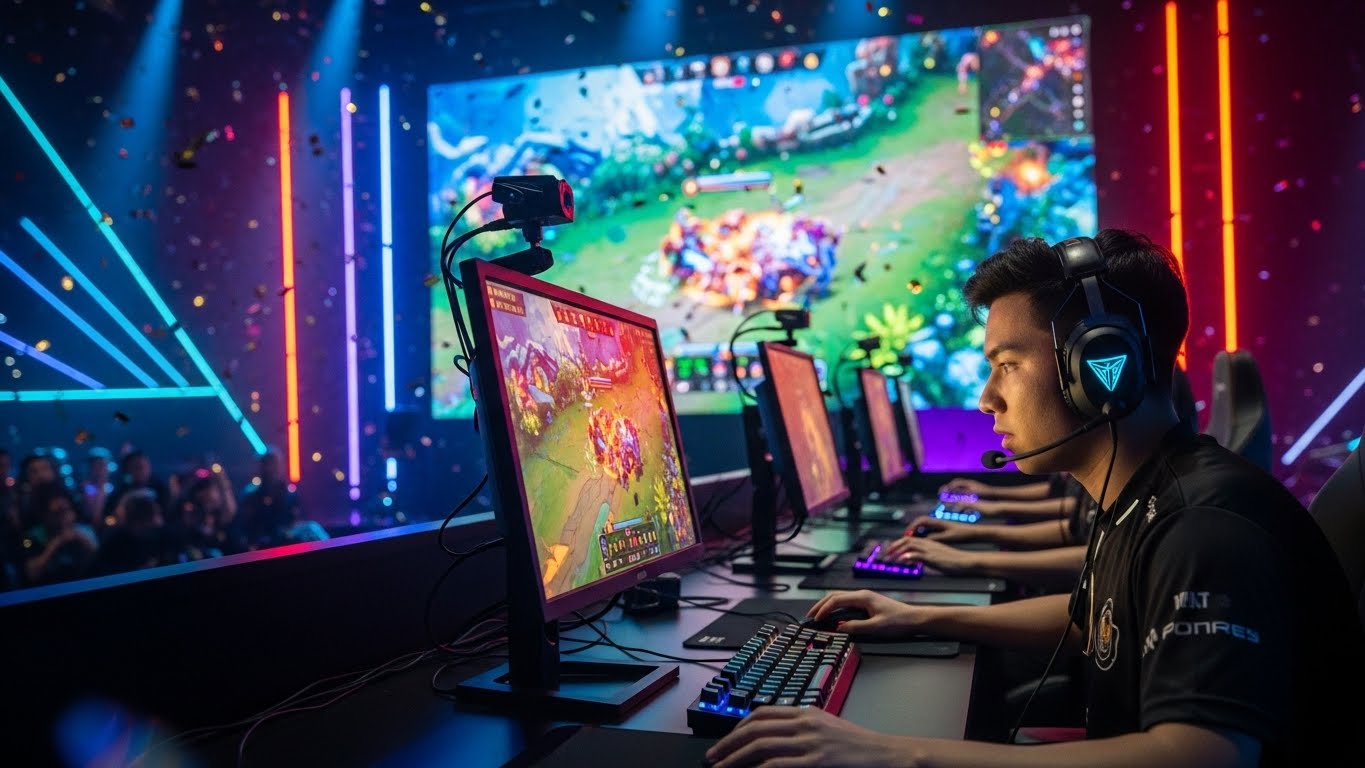
Esports, the competitive side of video gaming, has evolved tremendously over the past two decades. Once a niche hobby enjoyed by a small group of dedicated gamers, esports has become a global entertainment powerhouse with millions of viewers, professional players, and high-stakes tournaments. From its humble beginnings to the present-day mega-events, esports has shaped the future of both gaming and sports entertainment. In this blog post, we will explore the rise of esports, the key factors behind its growth, and its cultural impact on both the gaming industry and the broader world of sports.
The Beginnings of Esports: A Small Community of Gamers
The roots of esports can be traced back to the early days of video gaming when competitive play was more of a hobby than a profession. In the 1970s and 1980s, arcade games like Pong, Space Invaders, and Pac-Man were incredibly popular. While these games did not have the competitive infrastructure that modern esports enjoys, they laid the foundation for what would later become organized gaming competitions.
The first true esports event is often credited to the Space Invaders Championship in 1980, which was organized by Atari. This event was a small-scale competition but proved that players were willing to compete for both fun and prizes. It was not until the late 1990s and early 2000s that esports as we know it today truly began to take shape. Games like StarCraft, Quake, and Warcraft III created a competitive environment that attracted skilled players, and small tournaments began to emerge in local communities.
In the early 2000s, South Korea became a hub for competitive gaming. The launch of StarCraft sparked a gaming revolution, with players taking their skills to LAN (local area network) parties and tournaments. The StarCraft World Championships in 1999 and 2000 helped establish the idea that competitive gaming could be a viable career path. The game’s rise in South Korea led to the formation of professional gaming teams, leagues, and broadcast channels dedicated to esports. This marked the beginning of esports as a serious industry.
The Growth of Esports: Professionalization and Globalization
The early 2000s also saw the growth of esports outside South Korea, albeit at a much smaller scale. As the internet became more accessible, online gaming platforms like Battle.net (for Warcraft III) and Xfire allowed players from around the world to compete against each other in real-time. The creation of platforms like Twitch in 2011 gave gamers a way to broadcast their skills, while YouTube became a place to upload highlight reels, tutorials, and walkthroughs.
In the mid-2000s, esports became more professionalized. Large gaming companies like Blizzard Entertainment, Riot Games, and Valve began investing in their competitive scenes. The release of League of Legends in 2009 and Dota 2 in 2013 brought about a new era of multiplayer online battle arena (MOBA) games, which became staples of the esports landscape. The formation of professional leagues and tournaments, such as the League of Legends Championship Series (LCS) and The International (Dota 2), provided players with regular opportunities to compete for large cash prizes and recognition.
With the rise of streaming platforms and the increasing popularity of esports games, the global reach of esports exploded. The games that became popular during this era were not only fun to play but also thrilling to watch. The combination of high-level strategy, skilled gameplay, and dramatic moments captured the attention of millions of viewers. Today, esports is a multi-billion-dollar industry that includes sponsorships, merchandise sales, broadcasting rights, and advertising.
The Impact of Esports on Gaming and Traditional Sports
One of the most significant impacts of esports has been on the gaming industry itself. As esports tournaments and professional players gain more visibility, game developers have adapted their business models to support esports ecosystems. Titles like Fortnite, Call of Duty, and Overwatch have incorporated esports elements into their games by hosting tournaments, creating professional leagues, and offering rewards for top players. This has led to a symbiotic relationship between game developers and esports organizations.
In addition to influencing the gaming industry, esports has also had a profound impact on traditional sports. Professional sports teams and organizations have begun to invest in esports as a way to engage with younger audiences. For example, football clubs like FC Barcelona, Paris Saint-Germain, and Manchester City have created their own esports teams to compete in games like FIFA and League of Legends. These partnerships have helped bridge the gap between traditional sports and esports, creating crossovers in branding, sponsorships, and fan engagement.
Another significant aspect of esports’ impact on traditional sports is the development of esports-specific infrastructure. Major sports arenas and stadiums around the world have begun hosting esports events, attracting large audiences and offering state-of-the-art production quality. Events like The League of Legends World Championship and The Fortnite World Cup are broadcast live to millions of viewers across the globe, making esports as prestigious as major sporting events like the Super Bowl or the Olympics.
The Esports Audience: A New Generation of Fans
Esports has also changed the way fans engage with competitive entertainment. In contrast to traditional sports, where fans attend live events or watch television broadcasts, esports fans have embraced a more interactive and digital-first experience. Streaming platforms like Twitch and YouTube Gaming have become the go-to platforms for esports fans to watch live matches, interact with players, and share their passion for their favorite games.
Esports has attracted a younger, more tech-savvy audience that consumes content through online platforms rather than traditional media. According to various industry reports, the majority of esports fans are between the ages of 18 and 34, and they prefer watching esports through live streams and on-demand videos rather than television. This shift has prompted brands and advertisers to reconsider their marketing strategies and increasingly target younger generations through digital media.
The rise of esports streaming has also created a new wave of content creators, including players, commentators, and influencers, who have amassed millions of followers. These figures play a central role in the esports ecosystem, building communities around their personalities, gameplay, and expertise. Some professional players even achieve celebrity status, with large social media followings and endorsement deals with major brands. The world of esports has become as much about entertainment and content creation as it is about competition.
Challenges Facing Esports: Sustainability and Regulation
Despite its rapid growth, esports faces a number of challenges that could impact its long-term sustainability. One of the main issues is the lack of consistent regulation across the esports ecosystem. Unlike traditional sports, which have established governing bodies that enforce rules and regulations, esports is still in its infancy in terms of standardizing practices.
One key area where regulation is needed is in the treatment of players. Many professional esports players are young, with careers that can last only a few years. The intense training schedules and travel demands can take a toll on their mental and physical health. Organizations are beginning to address these issues, but the industry as a whole still lacks comprehensive protections for players, such as healthcare, financial support, and long-term career development.
Another challenge is the need for greater inclusivity. While esports has made great strides in terms of gender and racial diversity, the industry still has room for improvement. Female players and coaches, as well as players from underrepresented communities, often face barriers to entry and unequal treatment. As the esports ecosystem continues to grow, it is important for the industry to foster an environment that is inclusive and accessible to all players, regardless of their background.
The Future of Esports: A Bright Horizon
Looking ahead, the future of esports appears incredibly promising. With continued technological advancements in virtual reality, augmented reality, and artificial intelligence, esports may evolve into something entirely new in the next decade. Virtual and mixed-reality games may provide new opportunities for immersive experiences, while AI could be used to enhance player training, match analysis, and broadcasting.
As esports becomes more mainstream, it will likely continue to grow in popularity and influence. Major corporations will invest in esports, new technologies will transform the viewing experience, and esports will likely become an even bigger part of global sports culture. We may even see esports included in major global sporting events like the Olympics, as the International Olympic Committee (IOC) has already explored the possibility of integrating esports into future Games.
Esports’ journey from humble beginnings to a global entertainment giant is a testament to the power of technology, innovation, and community. With its rapidly expanding reach, evolving ecosystems, and cultural impact, esports is no longer just a hobby—it’s a phenomenon that is here to stay.
Conclusion
Esports has come a long way from its early days as a niche hobby enjoyed by a small group of enthusiasts. Today, it is a global industry with millions of fans, professional players, and a vast ecosystem of teams, sponsors, and tournaments. As the industry continues to grow, esports will undoubtedly shape the future of both gaming and sports entertainment. While there are challenges ahead, the potential for innovation, inclusivity, and growth remains vast. Esports has already changed the way we view competitive entertainment, and its impact on the world will only continue to expand in the years to come.