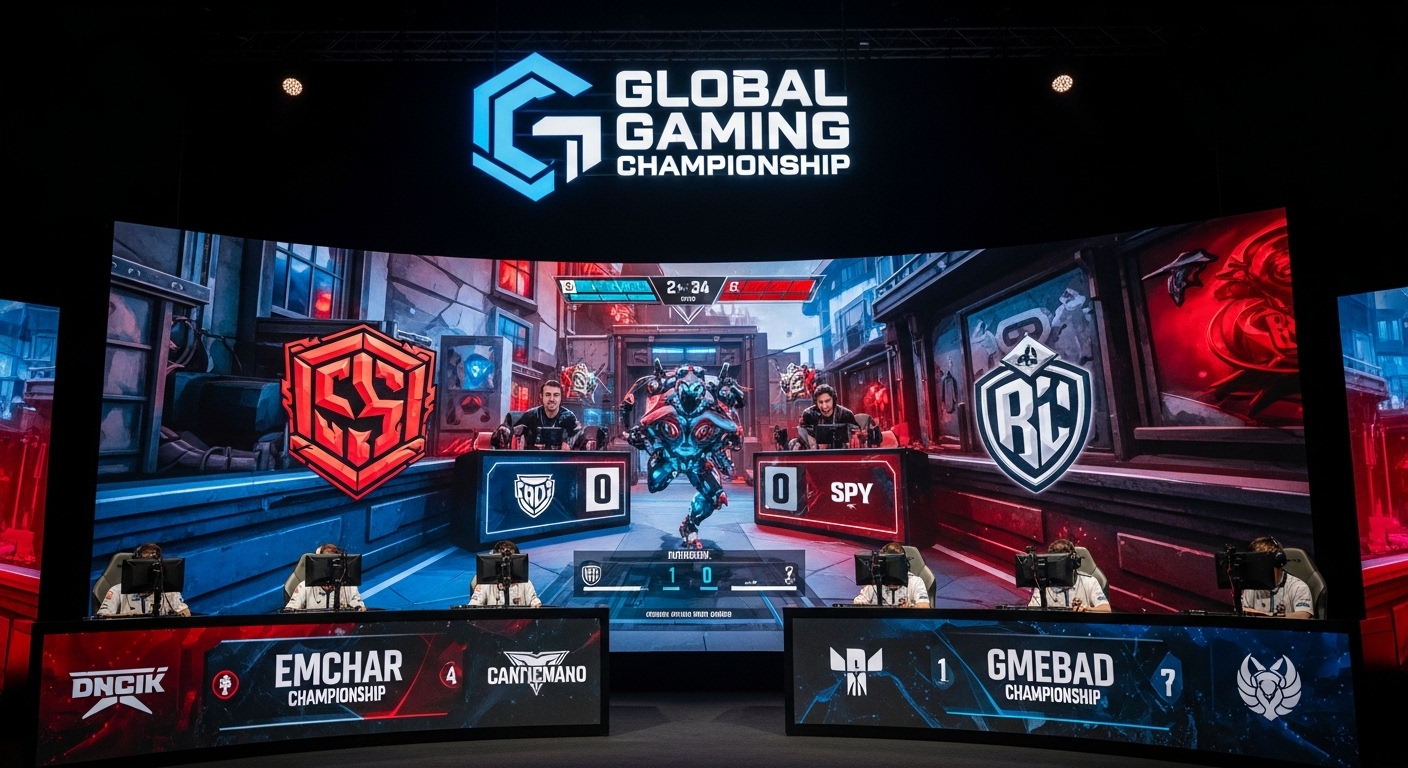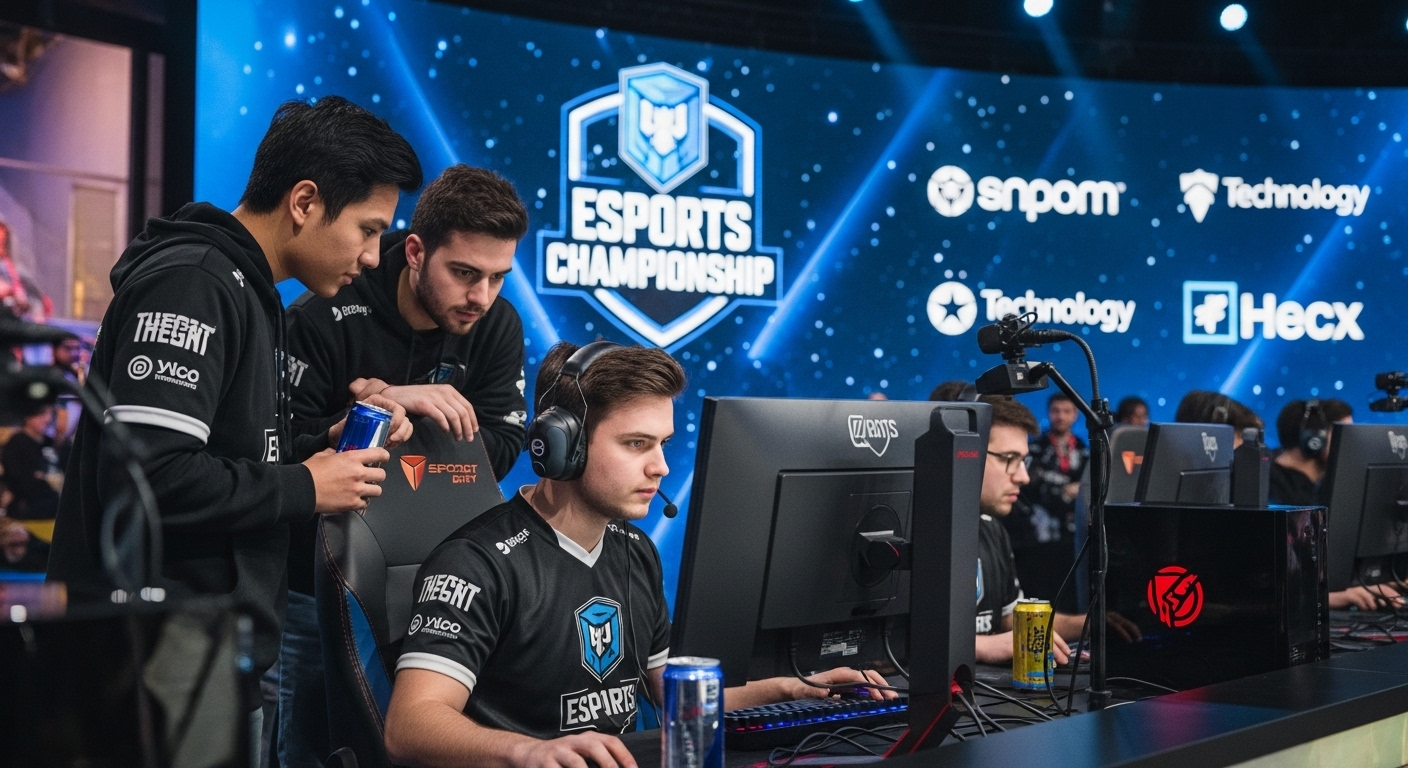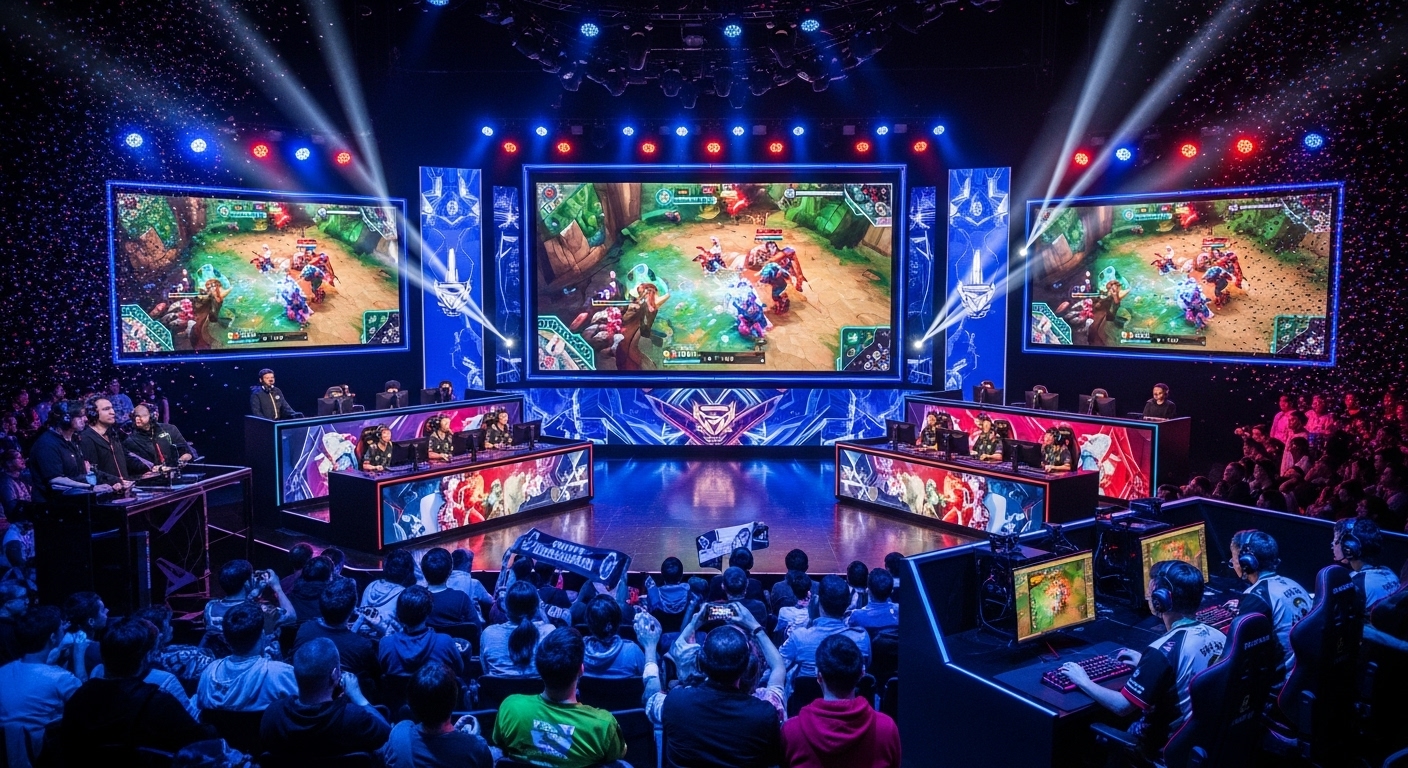
Esports, once a niche activity reserved for a small group of dedicated gamers, has exploded into a global cultural and economic phenomenon. It has rapidly become a multibillion-dollar industry, drawing millions of fans, professional players, and teams worldwide. From casual gaming to full-fledged competitive leagues, esports has established itself as a legitimate sport in its own right. In this blog post, we will explore the origins, growth, and impact of esports, the players and teams behind it, and its future trajectory.
What Is Esports?
At its core, esports (short for electronic sports) refers to competitive video gaming. However, the term encompasses far more than just playing games. It involves organized tournaments, professional players, sponsorships, live broadcasts, and even dedicated fans. Esports includes various game genres such as multiplayer online battle arena (MOBA) games, first-person shooters (FPS), real-time strategy (RTS), and battle royale titles, all of which have their own competitive ecosystems.
While the concept of competitive gaming dates back to the early days of arcade games, esports as we know it today began taking shape in the early 2000s. As the internet became more accessible, online gaming communities started to grow, and small-scale tournaments evolved into larger, more organized events. Today, esports is not only a thriving industry but also a cultural phenomenon that has made its mark on mainstream entertainment.
The Rise of Esports: From Casual Gaming to Global Competitions
The rise of esports can be traced back to the late 1990s and early 2000s when multiplayer games like Quake and StarCraft became the foundation for competitive gaming. StarCraft, in particular, played a crucial role in the development of esports. In South Korea, the game became immensely popular, and professional leagues were established, leading to the first truly professionalized esports scene.
As internet speeds improved and gaming hardware became more accessible, competitive gaming spread globally. Games like Counter-Strike, Warcraft III, and Dota attracted dedicated players and formed the basis for some of the most enduring esports titles. By the mid-2000s, the advent of platforms like Twitch and YouTube allowed players and fans to watch esports events in real-time, expanding the reach of these tournaments.
In 2011, the introduction of the League of Legends World Championship marked a key milestone in esports history. With millions of viewers, this event showcased the potential of esports as a mainstream entertainment medium. Over the next few years, the rise of games like Dota 2, Overwatch, and Fortnite further propelled esports into the global spotlight.
The Esports Ecosystem: Teams, Tournaments, and Players
Esports today is a complex ecosystem involving various stakeholders, including professional players, coaches, analysts, streamers, content creators, and team owners. At the heart of the ecosystem are the players—dedicated athletes who train relentlessly to master their craft. Professional players typically specialize in a specific game and often join esports organizations that provide them with financial support, training facilities, and coaching.
These organizations, sometimes referred to as esports teams, have a similar structure to traditional sports teams. They recruit talented players, provide sponsorships, and compete in domestic and international tournaments. Some of the most well-known esports organizations include Team Liquid, Cloud9, and T1, which have amassed millions in sponsorship deals, prize money, and merchandise sales.
Tournaments are the backbone of the esports industry. Some competitions are organized by the developers of the games themselves, while others are hosted by independent tournament organizers. Major tournaments like The International (for Dota 2), The League of Legends World Championship, and the CS:GO Major Championships offer prize pools in the millions of dollars and attract top-tier players and teams from around the world.
These events are often broadcast live through streaming platforms like Twitch, YouTube, and Facebook Gaming. Commentators, known as “casters,” provide live analysis and commentary during matches, creating an engaging experience for viewers. Fans from across the globe tune in to watch the best players in the world compete for glory.
The Business of Esports: Sponsorships, Investments, and Revenue Streams
Esports has quickly evolved into a billion-dollar industry, attracting major investments from both gaming companies and outside industries. Sponsorships are a crucial revenue stream for esports organizations, with brands in sectors such as technology, energy drinks, apparel, and even automotive companies getting involved. These sponsorships help fund player salaries, travel expenses, and event organization.
The rise of esports betting is also contributing to the industry’s economic growth. Just like traditional sports, fans can now bet on esports events, with platforms dedicated solely to esports betting emerging in recent years. This has added a new layer of excitement to esports events and is expected to continue to grow as more countries legalize esports gambling.
Streaming platforms like Twitch, YouTube Gaming, and Facebook Gaming have also become significant revenue generators. These platforms allow players and teams to earn money through ad revenue, paid subscriptions, and donations from viewers. Popular streamers can make a living by playing games and engaging with their audience. The most successful esports players and streamers have built massive personal brands and have become celebrities in their own right.
The Fan Experience: Community, Streaming, and Interaction
One of the most unique aspects of esports is its ability to create a vibrant, interactive community. Fans can engage with players and teams through social media, live streams, and online forums. The ability to watch live events in real-time, with interactive features such as live chat, polls, and fan voting, has revolutionized the way people experience competitive gaming.
Twitch, the dominant platform for live streaming, has become a hub for esports fans, allowing them to watch tournaments, interact with players, and discuss strategies. Many esports organizations and players also have their own channels, where they engage with fans, host Q&A sessions, and offer behind-the-scenes content.
Esports fans are incredibly passionate and loyal. They often form communities around specific games or teams, and the sense of belonging is one of the key reasons why esports has gained such a dedicated following. Fans not only support their favorite players and teams but also participate in events, create fan art, and contribute to the growth of the community.
The Impact of Esports on Traditional Sports and Entertainment
Esports has had a profound impact on both traditional sports and the entertainment industry. While the two realms are distinct, there are many similarities between them. Like traditional sports, esports events feature intense competition, skillful gameplay, and loyal fanbases. Many professional athletes from traditional sports have expressed interest in esports, with some even investing in esports teams or participating in crossover events.
Esports has also paved the way for new forms of entertainment. The concept of “watching people play games” may have once seemed strange to outsiders, but it has now become a legitimate form of entertainment with a growing fanbase. Esports has made gaming more mainstream and accepted as a legitimate profession, and it has helped change the public perception of gaming from a hobby to a professional career.
Additionally, esports has influenced the world of gaming itself. Developers now design games with competitive play in mind, ensuring that they are balanced, engaging, and spectator-friendly. This has led to the creation of new game modes, updated features, and even esports-specific events within games like Fortnite, Apex Legends, and Valorant.
The Future of Esports: Innovation and Growth
The future of esports is incredibly exciting. As technology continues to evolve, we can expect even more immersive experiences for players and fans alike. Virtual reality (VR) and augmented reality (AR) could transform the way we experience esports, offering more interactive and realistic environments.
Additionally, esports will continue to expand into new markets, with more countries embracing competitive gaming as a mainstream activity. Esports organizations will seek to diversify their revenue streams, leveraging merchandise sales, sponsorships, broadcasting deals, and even original content creation to ensure continued growth.
As esports becomes more integrated into the fabric of modern culture, it is likely that the distinction between esports and traditional sports will continue to blur. In the coming years, we may see more collaboration between the two, as well as new formats and hybrid competitions that combine elements of both.
Conclusion
Esports has come a long way from its humble beginnings, evolving into a global phenomenon that rivals traditional sports in both scope and popularity. With its rapid growth, dedicated fanbase, and burgeoning business opportunities, esports is not just a passing trend but a fundamental shift in how we view competition, entertainment, and gaming.
As esports continues to evolve, it will undoubtedly continue to captivate audiences around the world, providing new career opportunities, pushing the boundaries of technology, and offering a space for players and fans to connect in ways that were once unimaginable.
Esports is more than just gaming—it’s a new age of digital competition that is changing the way we experience sports and entertainment. The future is bright for this rapidly growing industry, and it’s only just getting started.