Introduction: The Rise of Digital Competition
In the last two decades, the world has witnessed a revolutionary transformation in the realm of entertainment and competition. Esports, or electronic sports, have emerged as one of the most significant cultural and technological phenomena of the 21st century. Once dismissed as a niche hobby for passionate gamers, esports have evolved into a global industry worth billions of dollars, attracting millions of viewers, professional athletes, sponsors, and organizations from across the world. From local arcade competitions to grand international tournaments filling stadiums, esports represent a new era where digital skill, strategy, and innovation meet to form one of the most dynamic entertainment ecosystems ever created.
The Origins of Esports: From Arcades to Arenas
The story of esports began long before it became a mainstream sensation. In the 1970s, video games were still in their infancy, but even then, the competitive spirit among players was evident. The first known video game competition took place at Stanford University in 1972, where players competed in the game “Spacewar.” The prize was a modest subscription to a magazine, but the event laid the foundation for something much larger.
During the 1980s, as arcade culture flourished, competitive gaming became increasingly popular. Titles such as “Pac-Man” and “Donkey Kong” drew massive attention, and players began striving for high scores that would etch their names into gaming history. The early televised competitions and magazine features helped spread the idea that gaming could be more than a pastime—it could be a competitive pursuit.
By the 1990s, the expansion of personal computers and the advent of multiplayer gaming transformed the landscape. Games like “Doom,” “StarCraft,” and “Counter-Strike” allowed players to compete in real time against opponents from around the world. The concept of online competition marked the true beginning of modern esports, creating virtual battlefields where skill and teamwork mattered as much as they did in traditional sports.
The 2000s: The Birth of Professional Esports
The new millennium brought a wave of technological advancements that propelled esports into a structured, professional industry. Broadband internet, advanced graphics, and the proliferation of personal computers made gaming more accessible than ever. Organized tournaments began to take shape, with companies like Major League Gaming (MLG), Electronic Sports League (ESL), and the World Cyber Games hosting professional events.
Games such as “Warcraft III,” “Quake,” and “Counter-Strike 1.6” became central to the early esports scene, fostering competitive communities that developed global fan bases. South Korea, in particular, emerged as the first true esports powerhouse, with “StarCraft” achieving a level of national recognition rarely seen in gaming. Televised matches, sponsorships, and professional teams became commonplace in South Korea, setting a precedent for other regions to follow.
The 2010s: Esports Enter the Mainstream
The 2010s marked a turning point. Esports were no longer confined to small groups of enthusiasts; they became a mainstream form of entertainment. Streaming platforms such as Twitch and YouTube Gaming gave esports unprecedented exposure, allowing fans to watch tournaments live from anywhere in the world. This accessibility transformed esports from a subculture into a global phenomenon.
The rise of major titles like “League of Legends,” “Dota 2,” “Overwatch,” and “Counter-Strike: Global Offensive” further accelerated the growth. Each of these games developed professional leagues, massive fan communities, and multi-million-dollar prize pools. The “League of Legends World Championship” and “The International” for Dota 2, in particular, became annual events watched by millions, rivaling the viewership of traditional sports championships.
Esports as a Legitimate Profession
With the growth of esports came the rise of professional players who devoted their lives to mastering specific games. These athletes undergo intense training, analyze gameplay footage, and maintain rigorous practice schedules similar to those of traditional sports professionals. The best of them earn salaries, endorsements, and prize money that rival those of elite athletes.
Teams such as Team Liquid, T1, FaZe Clan, and Cloud9 have become household names in the esports community. These organizations function much like traditional sports franchises, complete with coaches, analysts, nutritionists, and even psychologists to ensure players perform at their peak. The recognition of esports players as professional athletes in several countries further underscores how far the industry has come.
The Economics of Esports
The esports industry has experienced extraordinary financial growth. Today, it encompasses multiple revenue streams, including sponsorships, advertising, merchandise, ticket sales, and media rights. Major brands from sectors such as energy drinks, technology, and automotive have invested heavily in esports, recognizing its influence over a young, digitally engaged audience.
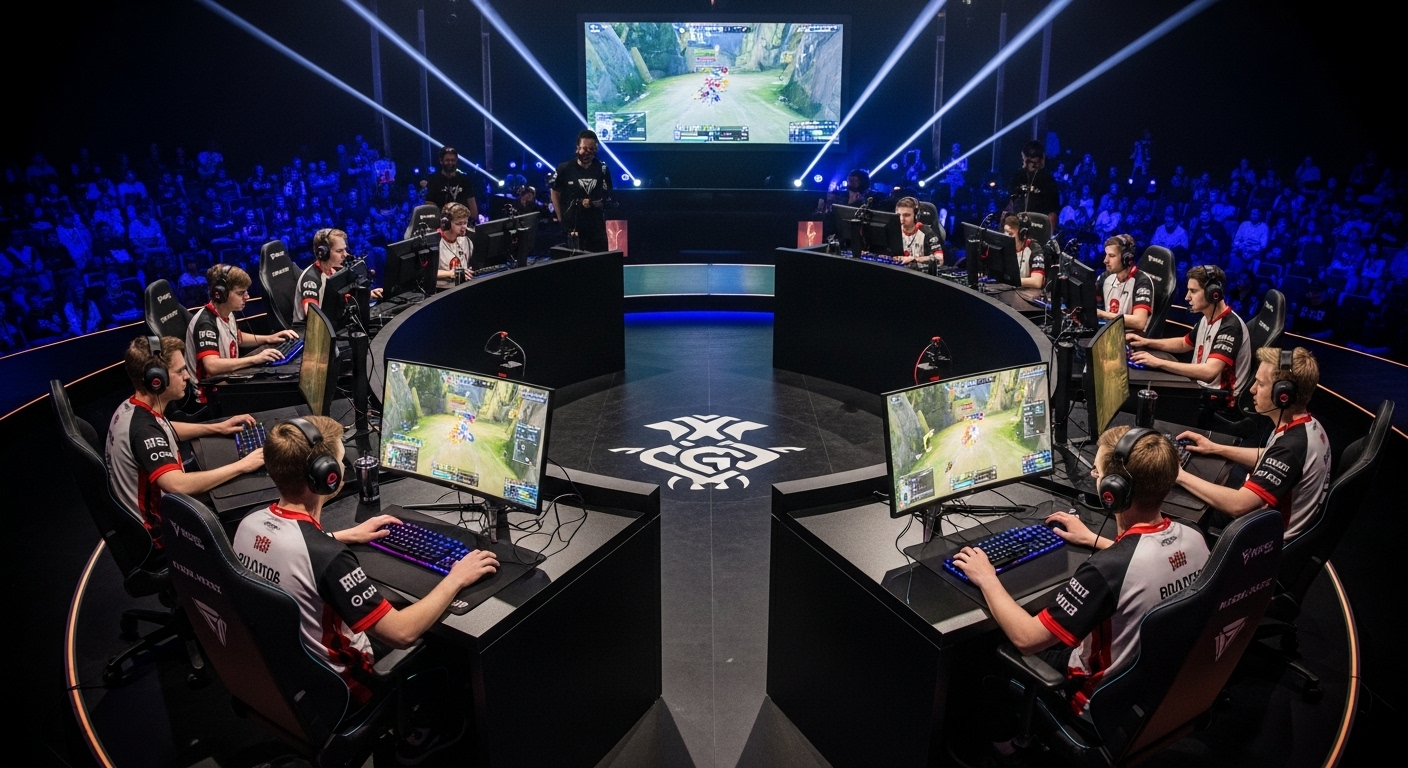
Franchised leagues such as the Overwatch League and the League of Legends Championship Series have introduced stable business models that attract long-term investment. Cities like Los Angeles, Shanghai, and Berlin now host esports arenas where fans gather to watch their favorite teams compete live. The prize pools of top tournaments often reach tens of millions of dollars, creating life-changing opportunities for players and teams alike.
The Role of Streaming and Content Creation
Streaming platforms have played a crucial role in transforming esports into a cultural movement. Services like Twitch have allowed gamers to build personal brands, connect directly with audiences, and create careers as content creators. These platforms not only showcase competitive events but also serve as spaces where communities grow and interact.
Viewers are no longer passive spectators—they participate in chats, follow their favorite players, and engage with esports in real time. This interactivity distinguishes esports from traditional sports and makes it more accessible and inclusive. The fusion of entertainment, personality, and competition has created a unique ecosystem that blends gaming and media in unprecedented ways.
The Globalization of Esports
One of the most striking features of esports is its global nature. Unlike many traditional sports that are regionally concentrated, esports transcends geographical boundaries. Players and fans from every continent participate in the digital arena, united by their passion for gaming.
Countries like South Korea, China, the United States, and Sweden have become major hubs of esports excellence, but new regions are emerging rapidly. Southeast Asia, the Middle East, and Latin America are witnessing explosive growth in competitive gaming, fueled by improved internet infrastructure and the increasing availability of affordable gaming devices.
International tournaments often feature teams composed of players from multiple countries, reflecting the truly global nature of the industry. This diversity not only enriches the competitive landscape but also promotes cross-cultural understanding through shared digital experiences.
Women in Esports: Breaking Barriers and Building Communities
While esports has historically been male-dominated, recent years have seen a growing presence of women in competitive gaming, content creation, and leadership roles. Female players, casters, and team managers are challenging stereotypes and paving the way for greater inclusion.
Organizations dedicated to promoting women in esports are helping create safer, more inclusive spaces for female competitors. Events featuring all-women teams or leagues are becoming more common, encouraging young women to pursue professional gaming without fear of discrimination or harassment. The growing visibility of female gamers is essential to building a diverse and sustainable esports ecosystem.
The Cultural Impact of Esports
Esports have influenced not just entertainment but also culture at large. Gaming terminology, memes, and iconic players have become part of mainstream pop culture. Celebrities and athletes from other sports have invested in esports teams, further bridging the gap between digital and physical sports.
Music, fashion, and art have also found new inspiration in the world of esports. Tournament anthems, team apparel collaborations, and custom gaming equipment are now integral parts of esports identity. The fusion of creative industries with gaming has led to a cultural renaissance that resonates deeply with younger generations.
Education and Career Opportunities in Esports
Beyond competition, esports have opened up educational and career opportunities. Universities around the world are now offering scholarships for esports athletes, while academic programs focused on game design, esports management, and digital marketing are preparing students for careers in this growing industry.
Job roles in esports extend far beyond players and coaches. Event organizers, broadcasters, journalists, graphic designers, and data analysts all play crucial parts in the success of esports events. The industry’s expansion has created a thriving job market that combines technology, creativity, and entertainment in innovative ways.
Challenges Facing the Esports Industry
Despite its success, esports faces several challenges that must be addressed for long-term sustainability. Issues such as player burnout, lack of regulation, and financial instability in smaller organizations remain significant concerns. Maintaining fair competition, preventing cheating, and ensuring player welfare are constant priorities.
Another pressing issue is the need for better representation and inclusivity across all levels of the industry. Toxicity, harassment, and unequal opportunities can hinder growth and alienate potential participants. Addressing these challenges requires collaboration between developers, teams, and governing bodies to create a safe and equitable environment for all players.
The Future of Esports: Innovation and Expansion
The future of esports looks brighter than ever. Advancements in technology, such as virtual reality, augmented reality, and cloud gaming, are poised to redefine how people experience competition. The integration of artificial intelligence and data analytics will also enhance player performance and spectator engagement.
Mobile gaming is another frontier driving esports growth, particularly in regions where traditional gaming hardware remains expensive. Titles like “Mobile Legends,” “PUBG Mobile,” and “Free Fire” have made esports accessible to millions of players worldwide.
Furthermore, the potential inclusion of esports in major multi-sport events such as the Olympics demonstrates the growing recognition of competitive gaming as a legitimate sport. As esports continue to evolve, they will likely become an even more significant part of global entertainment culture.
Esports and Society: A New Kind of Community
At its heart, esports is about community. It brings together individuals who share a passion for games, teamwork, and achievement. Online and offline, esports communities foster friendships, creativity, and collaboration across borders. For many, gaming is more than entertainment—it is a means of expression, belonging, and purpose.
The rise of esports also challenges traditional ideas of what sports and athletes are. Physical exertion may differ, but the mental agility, discipline, and teamwork required in esports are undeniable. The line between digital and physical competition continues to blur, suggesting a future where both coexist harmoniously.
Conclusion: The Power of Play in a Digital Age
Esports are not just a trend; they are a testament to human creativity, adaptability, and passion. From humble beginnings in university labs and arcade halls to grand stages watched by millions, esports have transformed the way we think about competition and entertainment. They represent a bridge between technology and humanity, connecting people through shared digital experiences.
As the industry matures, it continues to inspire new generations to dream, compete, and innovate. Whether through professional play, streaming, or simply cheering for a favorite team, esports remind us that the spirit of competition transcends boundaries—physical or digital. In a world increasingly shaped by technology, esports stand as one of the most powerful symbols of how play can unite, inspire, and transform lives.