Introduction: The Phenomenon of Esports
In recent years, esports has evolved into a cultural and commercial powerhouse. What was once a niche subculture has transformed into a global entertainment industry worth billions of dollars. Competitive gaming, or esports, has garnered a massive following across the globe, with millions tuning in to watch professional players compete at the highest levels in various video games. The growing popularity of esports has fundamentally shifted our understanding of competition, entertainment, and even what it means to be an athlete in the 21st century. In this blog post, we explore how esports has grown into an industry in its own right, the challenges it faces, and its potential for the future.
The Rise of Esports: From Hobby to Industry
Esports began as a hobby for many gamers, often held in small local tournaments or online competitions. As technology advanced, the gaming world experienced an evolution, from primitive online games to more sophisticated and graphically rich experiences. Titles like “StarCraft,” “Warcraft III,” and “Counter-Strike” served as the foundation for the first major esports events, attracting a small but dedicated group of fans.
The real turning point for esports came with the rise of livestreaming platforms like Twitch, which made it easier for gamers to broadcast their skills to an audience. Viewers could not only watch their favorite players compete but also interact in real-time, creating a sense of community and engagement that had never been seen before in the gaming world. As esports events began to draw larger audiences and prize pools grew, it became clear that competitive gaming was more than just a hobby—it was a professional sport in its own right.
In parallel, major game developers began to recognize the potential of competitive gaming. Titles like “League of Legends,” “Dota 2,” and “Fortnite” have evolved into global franchises, hosting tournaments with multimillion-dollar prize pools, attracting sponsorships from major brands, and even garnering mainstream media attention. As of now, esports is a multibillion-dollar industry that continues to grow at an exponential rate.
The Professionalization of Esports
One of the key factors driving esports’ rise is the increasing professionalization of the players and teams involved. In the early days of esports, competitors were often just passionate gamers who played as a hobby or as a side hustle. However, today’s top players are full-time professionals who dedicate their lives to training and competing at the highest level.
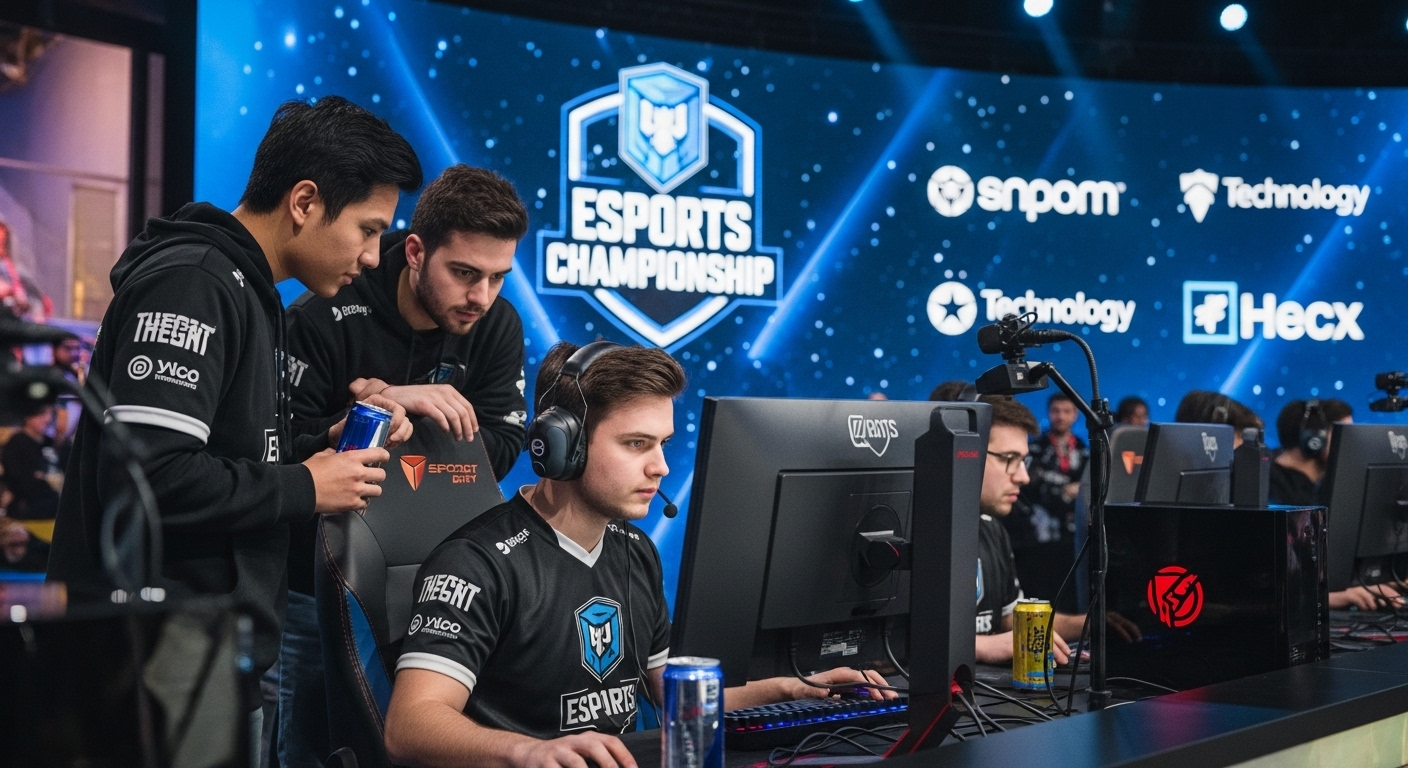
Just like traditional athletes, esports players spend hours every day perfecting their skills, analyzing their performance, and working with coaches and analysts to fine-tune their strategies. The pressure to perform at the highest level is intense, with tournaments taking place year-round and prize pools often exceeding several million dollars. Many esports organizations now operate like traditional sports teams, with players under contract, team sponsors, and coaches guiding their practice regimens.
Esports organizations are also recruiting staff to handle the business side of the sport, including marketing, sponsorships, public relations, and event management. As the industry has grown, so has the infrastructure supporting it, creating opportunities not only for players but for people with expertise in areas like management, broadcasting, and event production.
The Spectator Experience: Why People Watch Esports
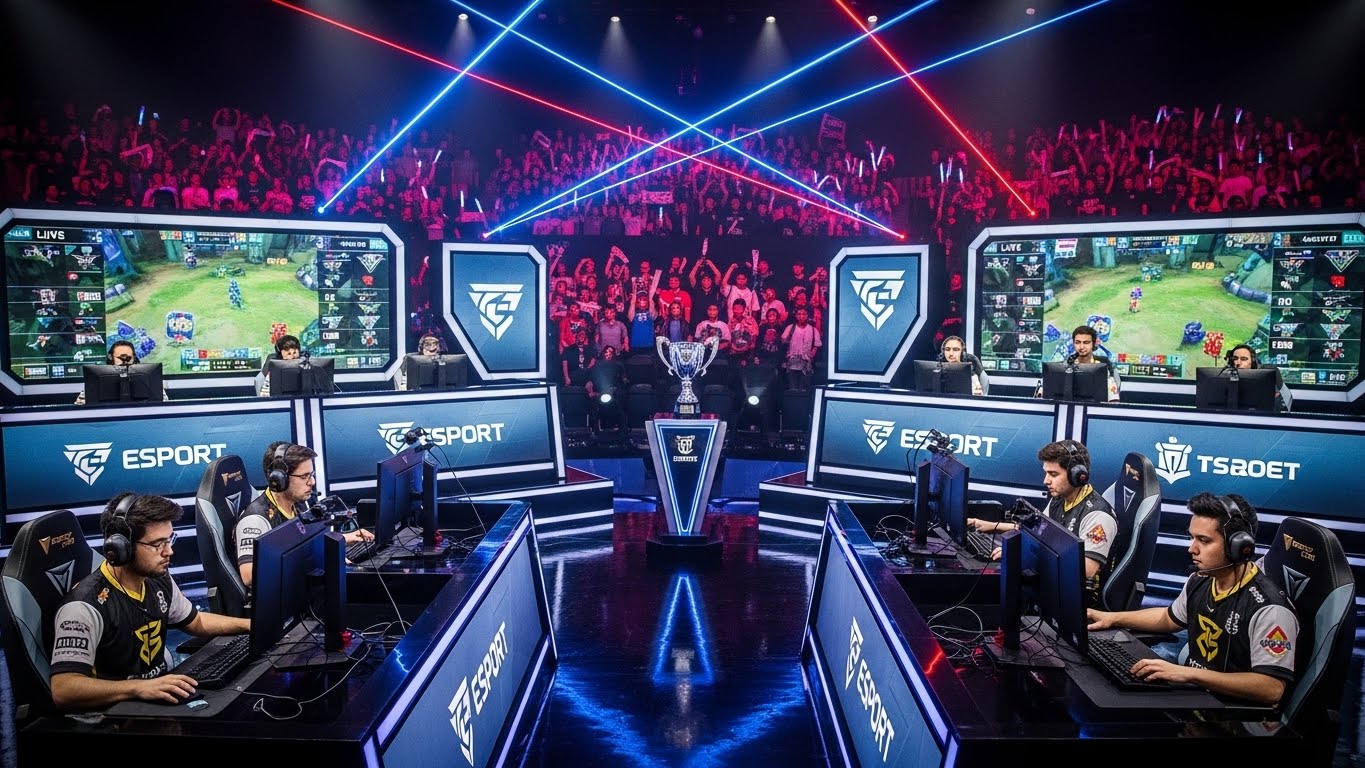
One of the key elements of esports’ success is its appeal as a spectator sport. Although the idea of watching others play video games may seem unusual at first, it has become a major form of entertainment for millions of people worldwide. Esports broadcasts attract millions of viewers, often rivalling the audiences of traditional sports events.
What makes esports so captivating for viewers? For one, the thrill of watching intense competition is universal. Just like traditional sports, esports events feature high-stakes matches, skilled players, and nail-biting moments that keep fans on the edge of their seats. The fast-paced nature of games like “League of Legends” and “Counter-Strike: Global Offensive” creates a constant stream of action that draws in viewers who are looking for excitement and entertainment.
Esports also offers a level of accessibility that traditional sports do not. Streaming platforms like Twitch and YouTube allow fans to watch events from anywhere in the world. In addition to live events, viewers can also watch “replays,” engage with their favorite players through social media, and even participate in chat discussions during live streams. The sense of community around esports is palpable, and the ability to interact with other fans has only deepened its cultural impact.
Moreover, esports commentary is another key factor that enhances the viewing experience. Expert casters break down complex game mechanics, offer analysis, and provide in-depth insights into strategies and tactics, much like sports commentators do for traditional games. These insights help fans understand the nuances of the games, making them feel more involved and connected to the action.
Esports and Sponsorship: The Financial Powerhouse
Esports has rapidly become a highly lucrative industry, attracting sponsorships from major global brands. In the early stages, esports events relied on fan donations, entry fees, and crowdfunding, but as the industry matured, corporate sponsorships became the main source of revenue for many tournaments and teams.
Companies from industries like technology, energy drinks, fashion, and even automobiles have recognized the marketing potential of partnering with esports teams and events. Brands such as Intel, Red Bull, and Mercedes-Benz have invested heavily in esports, seeing the potential to connect with the young, tech-savvy demographic that makes up the core of esports’ fanbase.
These sponsorship deals not only provide financial support for players and events but also help legitimize esports as a serious professional pursuit. Just as traditional sports teams secure lucrative sponsorships with major brands, esports teams and players are now enjoying similar opportunities. This financial backing allows organizations to reinvest in their teams, create high-quality content, and further build their fanbase.
Esports in Education: Pathways for Young Talent
Esports has also found a place within the education system. Many universities around the world have established esports programs, offering scholarships to talented players and creating competitive teams. Esports has even become a part of the curriculum in some schools, with students learning about game design, broadcasting, event management, and other related fields.
The rise of esports in education has created new opportunities for young people. Many students who may not have been interested in traditional sports have found a way to express their passion and talent for gaming through competitive play. Esports also offers career paths that extend beyond being a professional player, including roles in coaching, broadcasting, event organizing, and content creation.
Several universities now offer esports degrees and certifications, preparing students for the growing esports job market. This institutional recognition further legitimizes esports and positions it as a viable career option for young people with a passion for gaming and technology.
The Global Appeal of Esports
One of the most fascinating aspects of esports is its global appeal. Esports competitions are not limited by geographic location or language barriers. Gamers from all over the world come together to compete in international tournaments, where they face off against players from different countries and cultures. Games like “Dota 2” and “League of Legends” have become global phenomena, attracting players from every continent.
Esports’ global nature is a key factor in its success. Unlike traditional sports, which are often tied to specific regions or countries, esports transcends borders. Fans from different cultures can watch and enjoy the same tournaments, supporting their favorite teams and players regardless of where they’re from.
This international aspect of esports has also paved the way for collaborations between countries and organizations. International tournaments like the “League of Legends World Championship” and “The International” attract global attention and generate millions of dollars in revenue, further cementing esports as a global entertainment phenomenon.
Challenges and Future Outlook
Despite its growth, esports still faces a number of challenges. One of the biggest hurdles is ensuring that the industry remains sustainable and equitable for all participants. Player burnout is a real issue, as many professional gamers face mental and physical exhaustion due to the intense training schedules and high-pressure environments. Mental health support and proper rest are crucial for the long-term success of esports athletes.
Additionally, issues related to cheating, match-fixing, and fair play need to be addressed. As the industry grows, ensuring that competitions are fair and transparent is essential to maintain credibility and integrity.
Looking to the future, esports will continue to evolve with advancements in technology. Virtual reality (VR) and augmented reality (AR) have the potential to revolutionize the gaming experience, creating even more immersive and interactive competitions. As esports expands into new regions and markets, it will likely see even more growth, attracting new fans, players, and sponsors.
Conclusion: The Future is Digital
Esports has come a long way from its humble beginnings as a niche hobby. Today, it is a global phenomenon that redefines what it means to be a competitor and a fan. The industry’s growth is driven by a combination of technological innovation, professionalization of players, and an engaged global community. With increasing sponsorships, recognition in education, and global expansion, esports is poised to become a permanent fixture in the entertainment landscape. As we move forward, the future of esports looks bright, and its potential is limitless.