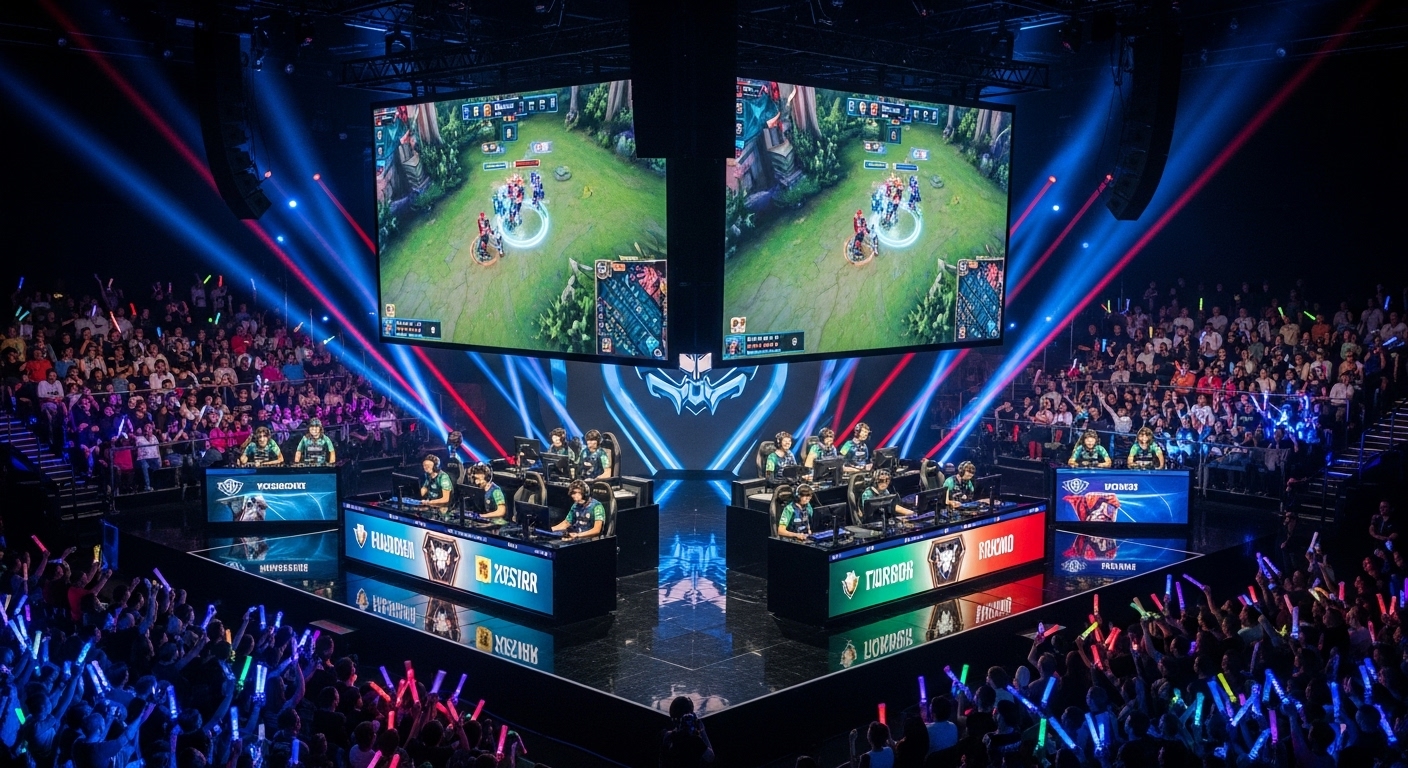

Introduction to eSports
eSports, or competitive gaming, has grown into a global phenomenon that captivates millions of fans worldwide. What started as casual video game competitions has evolved into a highly organized and professional industry. Today, eSports combines skill, strategy, teamwork, and entertainment, creating experiences that rival traditional sports in intensity and excitement.
The Evolution of Competitive Gaming
Competitive gaming has come a long way from its humble beginnings in arcades and small tournaments. The rise of high-speed internet and advanced gaming platforms allowed players to connect globally, competing in real time. Modern eSports now includes professional leagues, international championships, and massive prize pools, reflecting its recognition as a legitimate competitive field.
Popular Games and Genres
eSports covers a wide range of games and genres. Multiplayer online battle arenas, first-person shooters, real-time strategy games, and sports simulations dominate the scene. Each genre demands unique skills, including tactical thinking, fast reflexes, precise coordination, and teamwork. This diversity ensures there is a competitive niche for every type of player.
Streaming and Community Engagement
Streaming platforms have played a crucial role in the growth of eSports. Fans can watch live matches, follow their favorite players, and interact with global communities. This accessibility has turned competitive gaming into a spectator sport, where audiences engage in discussions, participate in fan events, and build a sense of community around shared interests.
Career Opportunities in eSports
The eSports industry offers far more than just playing games professionally. Players can pursue careers as coaches, analysts, commentators, or content creators. Additionally, roles in event management, marketing, broadcasting, and game development have expanded significantly, offering numerous opportunities for individuals passionate about gaming and digital entertainment.
The Future of eSports
The future of eSports is full of possibilities. Technologies like virtual reality, augmented reality, and artificial intelligence promise to enhance both gameplay and spectator experiences. As traditional sports organizations invest in eSports and global audiences continue to grow, competitive gaming is set to solidify its place as a mainstream form of entertainment.
Conclusion
eSports has transformed gaming into a global competitive spectacle, blending entertainment, skill, and community. With ongoing technological advancements and expanding opportunities, it continues to redefine the boundaries of digital competition. As the industry grows, eSports will remain a dynamic and influential force, shaping the future of gaming and entertainment worldwide.