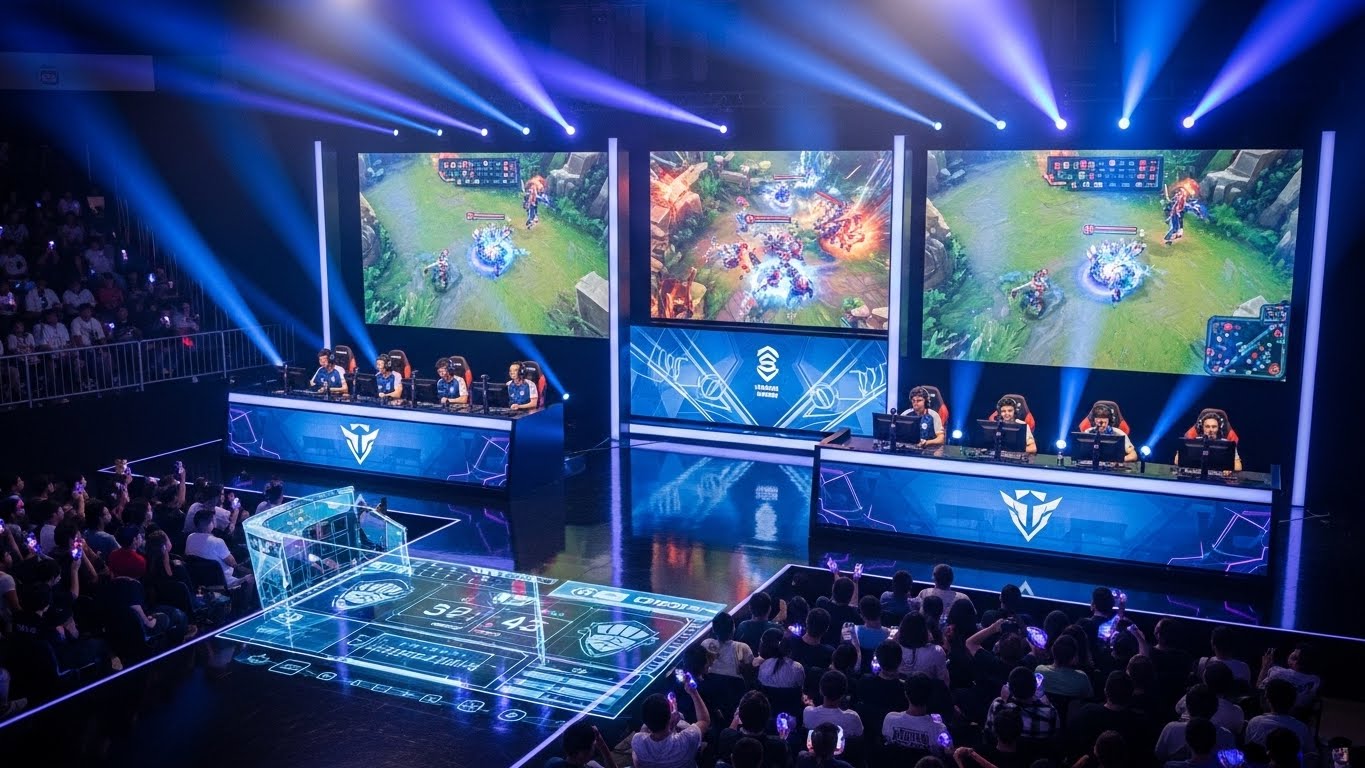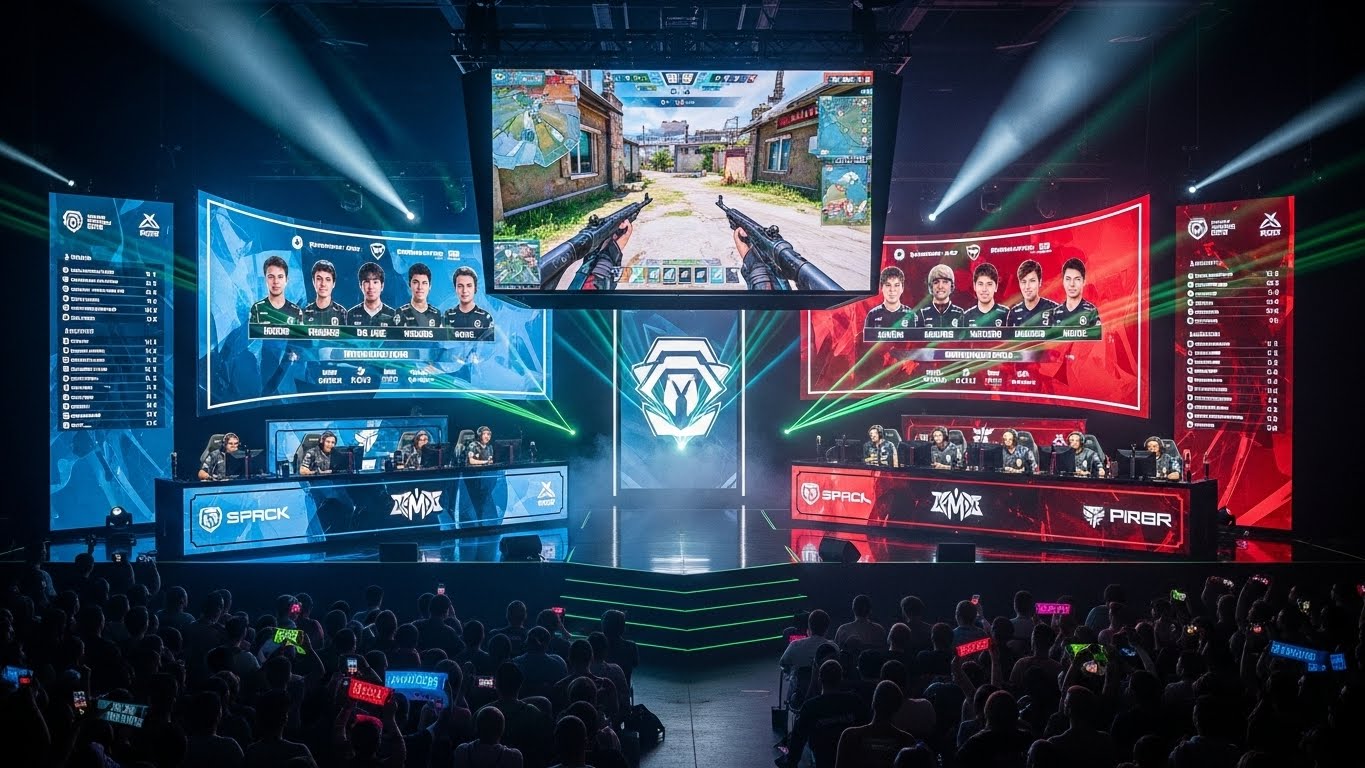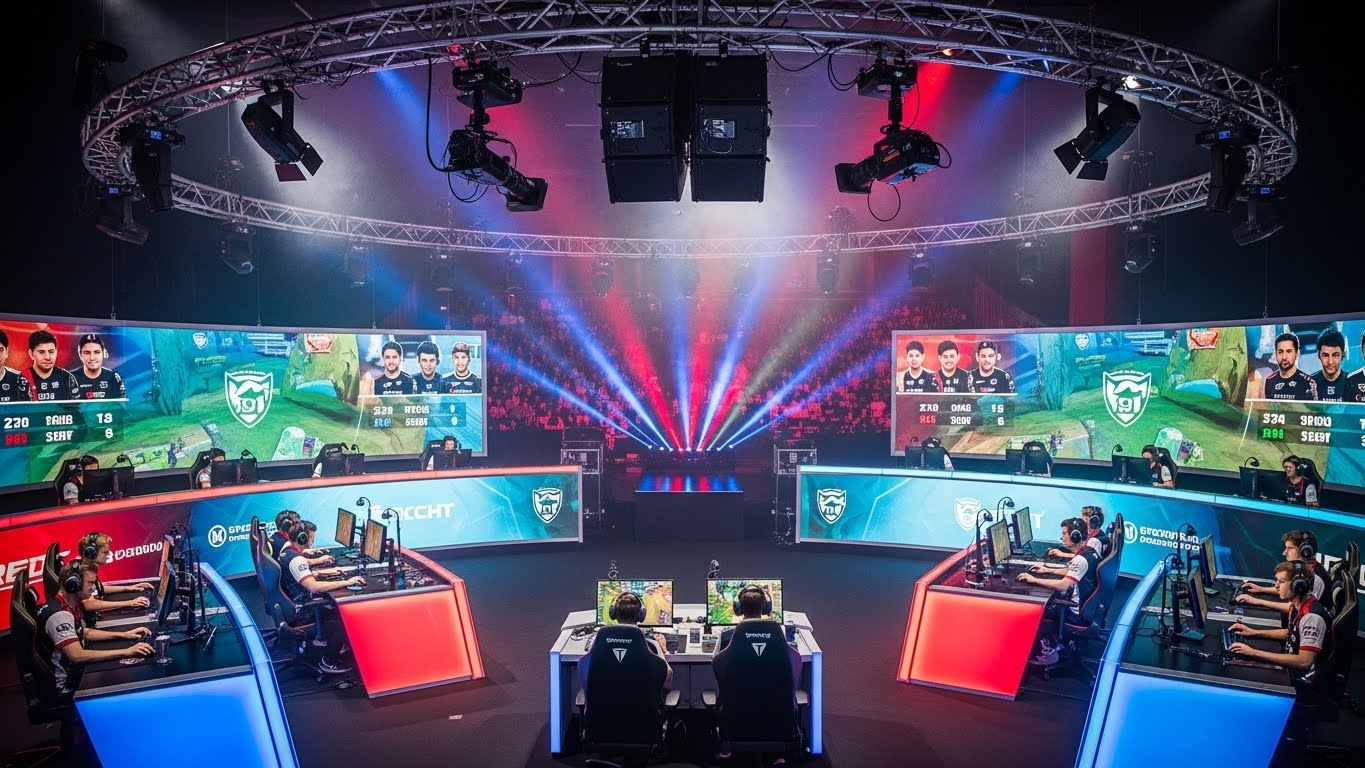
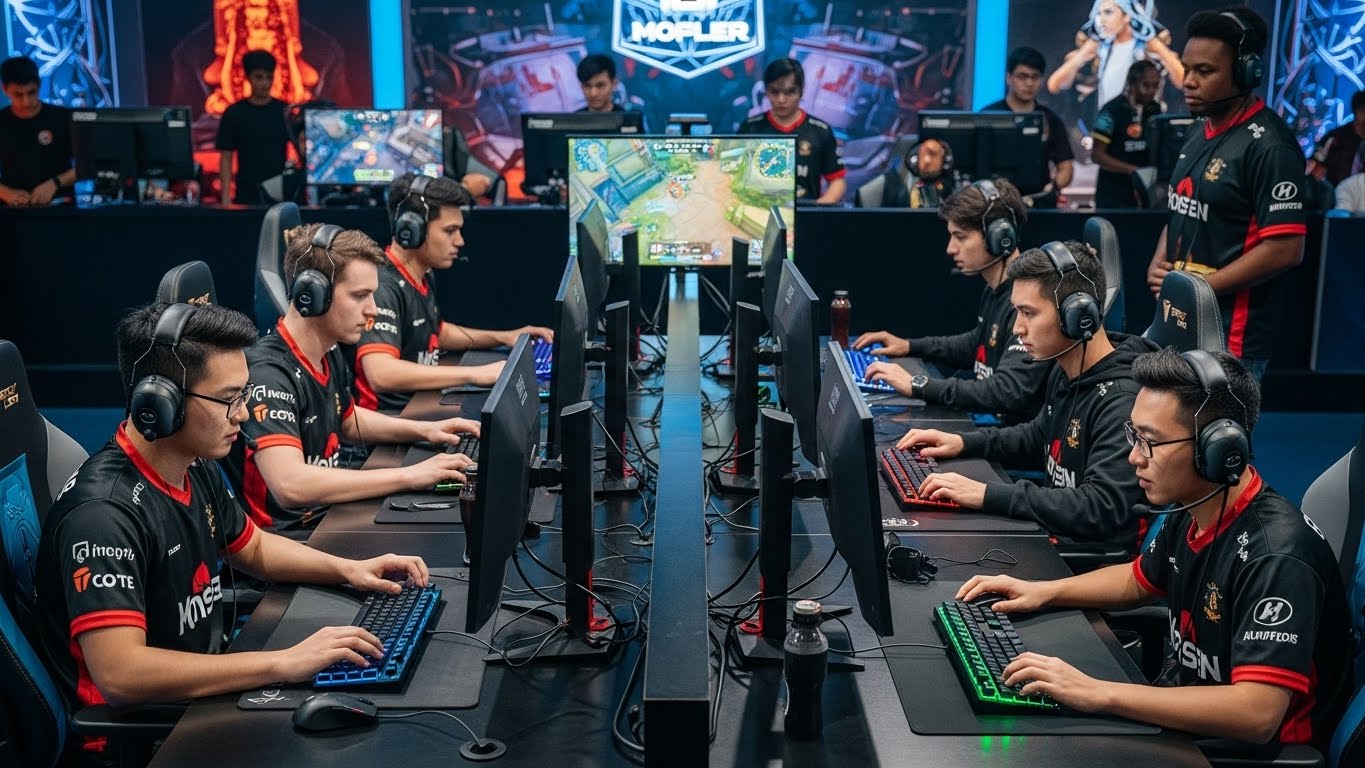
The world of competitive gaming, widely known as esports, has undergone a remarkable transformation over the past two decades. What started as informal competitions among gaming enthusiasts has now evolved into a global phenomenon, attracting millions of players, spectators, and investors. Esports has redefined the way we perceive competition, entertainment, and even careers. This blog delves into the origins of esports, its meteoric rise, the economic impact, and what the future holds for this digital revolution.
The Humble Beginnings of Esports
Esports’ history can be traced back to the late 1970s and 1980s when gaming competitions were primarily local events held in arcades. Players competed to achieve the highest scores in classic arcade games such as Pac-Man, Donkey Kong, and Space Invaders. These competitions were small-scale but planted the seeds for the competitive gaming culture.
The 1990s introduced a major shift with the advent of personal computers and networked gaming. Titles such as Quake, StarCraft, and Counter-Strike enabled gamers to compete against opponents from around the globe. LAN parties and small tournaments became popular, marking the beginning of organized competitive gaming. The stage was set for esports to grow beyond a hobby into a professional industry.
Why Esports Captivates Millions
The popularity of esports can be attributed to several key factors that make it appealing across demographics and geographies.
Global Accessibility
Unlike traditional sports that may require physical skill or expensive facilities, esports only requires a gaming device and internet connection. This accessibility allows players from various countries and backgrounds to participate, creating a global community that transcends language and culture.
High Entertainment Value
Esports offers intense, unpredictable entertainment. Spectators witness dramatic moments, strategic gameplay, and stunning individual performances, making tournaments thrilling to watch. This entertainment factor rivals traditional sports in excitement and engagement.
Community and Interaction
Esports is built around strong communities. Players and fans interact through forums, social media, and live streaming platforms. Discussions about strategies, fan theories, and gameplay experiences create a sense of belonging that deepens engagement.
The Emergence of Professional Players
Professional esports players are athletes in their own right, requiring discipline, strategy, and consistent practice to excel.
Training Regimens
Top-tier esports athletes often practice for 6 to 12 hours daily. This training includes mechanical skill drills, strategy development, teamwork exercises, and review of past matches. Mental focus and agility are equally important as reflexes and hand-eye coordination.
Team Dynamics
Esports teams function similarly to traditional sports organizations. Teams consist of players, coaches, analysts, managers, and support staff who collaborate to achieve success. Communication, strategy execution, and adaptability are essential components of winning at the professional level.
Lifestyle and Challenges
While the rewards can be significant, professional gaming comes with challenges such as burnout, mental fatigue, and short career spans. Players often need to balance rigorous practice schedules with physical exercise, proper nutrition, and mental health management.
Popular Esports Genres and Their Appeal
Esports covers a wide range of gaming genres, each with distinct competitive elements and fanbases.
Multiplayer Online Battle Arenas (MOBAs)
MOBAs like League of Legends and Dota 2 require teamwork, strategy, and rapid decision-making. Matches are complex and dynamic, offering fans exciting moments and unpredictable outcomes.
First-Person Shooters (FPS)
FPS games such as Counter-Strike: Global Offensive and Call of Duty demand precision, reflexes, and tactical awareness. The fast-paced nature of these games makes them highly engaging and thrilling for spectators.
Sports Simulation Games
Games like FIFA and NBA 2K bridge the gap between traditional sports and digital gaming. Fans of real-world sports enjoy the realism and competitive excitement these games offer.
Fighting Games
Fighting games such as Street Fighter and Super Smash Bros. emphasize skill, timing, and strategic thinking. The community surrounding these games is highly dedicated, fostering a unique and loyal fanbase.
The Fan Experience in Esports
Esports fans interact with the industry differently than traditional sports enthusiasts.
Interactive Streaming Platforms
Fans can watch live matches, communicate with commentators, and interact with other viewers. This interactivity creates an immersive experience that enhances engagement and fosters a sense of community.
Connection with Players
Professional gamers often stream practice sessions and personal content, allowing fans to form closer connections with their favorite players. This transparency builds loyalty and encourages ongoing engagement.
Global Reach
Esports tournaments often feature international players and teams, making it a truly global spectacle. Fans from different countries can support their favorite competitors, adding a sense of international camaraderie and excitement.
The Economic Impact of Esports
Esports has become a multi-billion-dollar industry, contributing significantly to global economies.
Sponsorship and Endorsements
Brands invest heavily in esports to reach younger, tech-savvy audiences. Sponsorship deals fund tournaments, teams, and players, while providing visibility and brand association.
Merchandise and Products
Sales of team merchandise, gaming peripherals, and collectibles are a key revenue source. Fans proudly display jerseys, mousepads, and accessories to show allegiance to their favorite teams.
Event Revenue
Esports tournaments attract large live and online audiences. Revenue is generated from ticket sales, broadcasting rights, and event sponsorships, similar to traditional sports leagues.
Impact on Related Industries
The growth of esports has influenced hardware manufacturing, software development, streaming technology, and media production. This ripple effect demonstrates the broader economic significance of competitive gaming.
Educational and Career Opportunities in Esports
Esports has opened doors for education and career development beyond professional gaming.
Academic Programs
Universities and schools now offer programs in esports management, broadcasting, game design, and marketing. These programs equip students with industry-specific skills to pursue careers within the esports ecosystem.
Scholarships and Collegiate Teams
Colleges have integrated esports into their athletic programs, offering scholarships to talented players. Students can compete at a high level while gaining education and career skills.
Diverse Career Paths
Beyond competing, esports offers roles in event management, content creation, analytics, coaching, and game development. These opportunities allow individuals to contribute to the industry in meaningful ways without playing professionally.
Esports as a Recognized Sport
Esports is increasingly acknowledged as a legitimate sport due to its similarities with traditional athletics.
Skill and Strategy
Competitive gaming requires intense concentration, strategic thinking, and precise execution, paralleling mental and physical demands in traditional sports.
Structured Training
Professional players follow strict training regimens, utilize coaching support, and analyze opponents’ strategies to improve performance.
Professional Infrastructure
Leagues, tournaments, contracts, and sponsorships provide structure similar to traditional sports organizations, enhancing legitimacy and credibility.
Challenges Facing the Esports Industry
Despite tremendous growth, esports faces several challenges that need attention.
Player Burnout and Health
Long practice hours, competitive pressure, and sedentary habits can lead to physical and mental health issues. Organizations are increasingly emphasizing wellness programs and support systems.
Regulation and Fair Play
Ensuring fair competition is crucial. Anti-cheat measures, standardized rules, and ethical guidelines protect the integrity of esports events.
Sustainability of Teams and Events
Not all esports organizations are financially stable. Sustainable business models are essential to maintain the industry’s long-term growth.
Diversity and Inclusion
Efforts to create an inclusive environment continue. Ensuring opportunities for players from different genders, cultures, and backgrounds is vital for the industry’s credibility and growth.
The Future of Esports
The esports industry is evolving rapidly, with exciting trends shaping its future.
Virtual Reality and Immersive Experiences
Virtual reality could revolutionize esports, offering fully immersive experiences for players and fans alike.
Mobile Gaming Expansion
Mobile esports has unlocked new regions and audiences, making competitive gaming more accessible than ever before.
Mainstream Integration
Corporate investment, media coverage, and educational initiatives are further integrating esports into mainstream culture.
Technological Advancements
Streaming technology, artificial intelligence coaching tools, and advanced gaming hardware continue to enhance performance and spectator experiences.
Conclusion
Esports has transformed from a niche hobby into a global industry, redefining competition, entertainment, and community engagement. Professional players, passionate fans, and dedicated organizations have established esports as a legitimate and respected domain. Its influence extends beyond gaming, shaping technology, education, and business landscapes. With continued innovation and growing global interest, esports is poised to become an even more prominent part of modern culture. The digital arena is no longer just a pastime; it is a revolution, offering opportunities for players, creators, and fans alike.