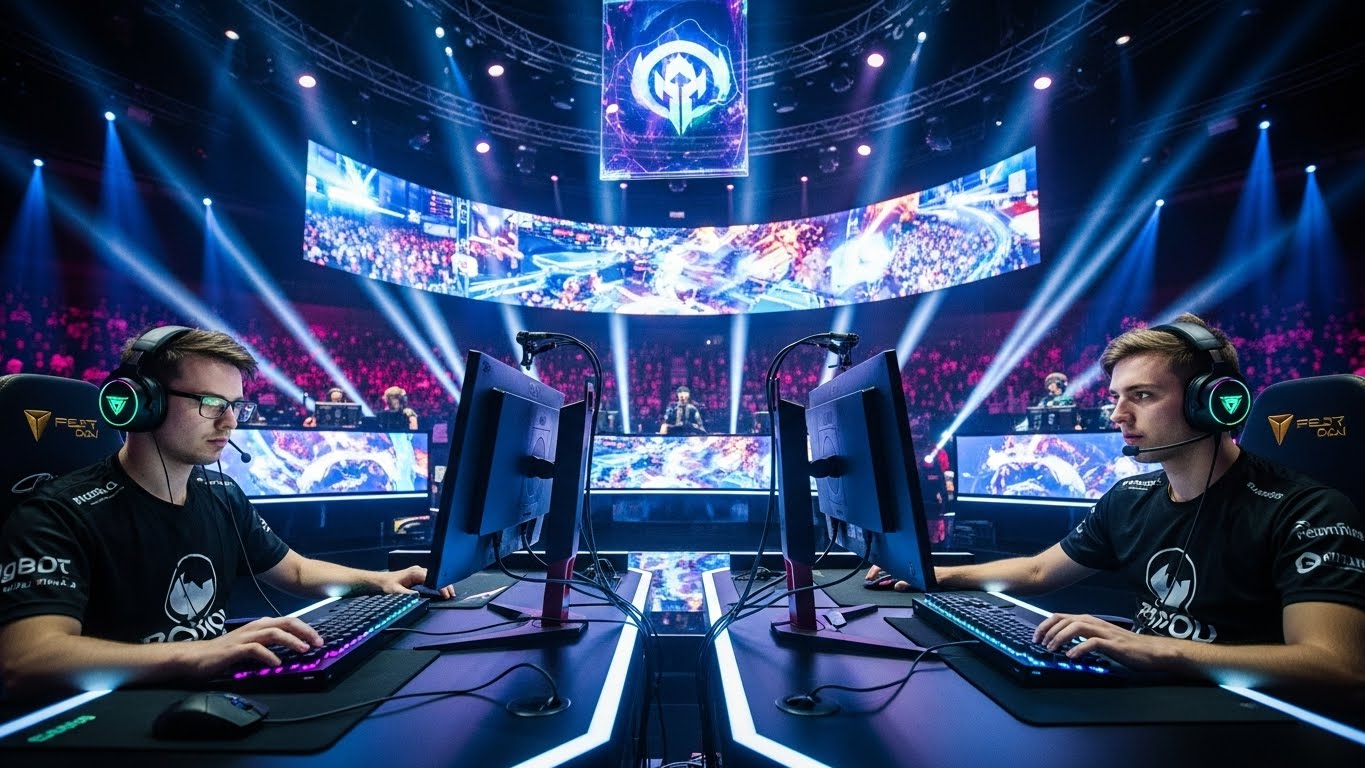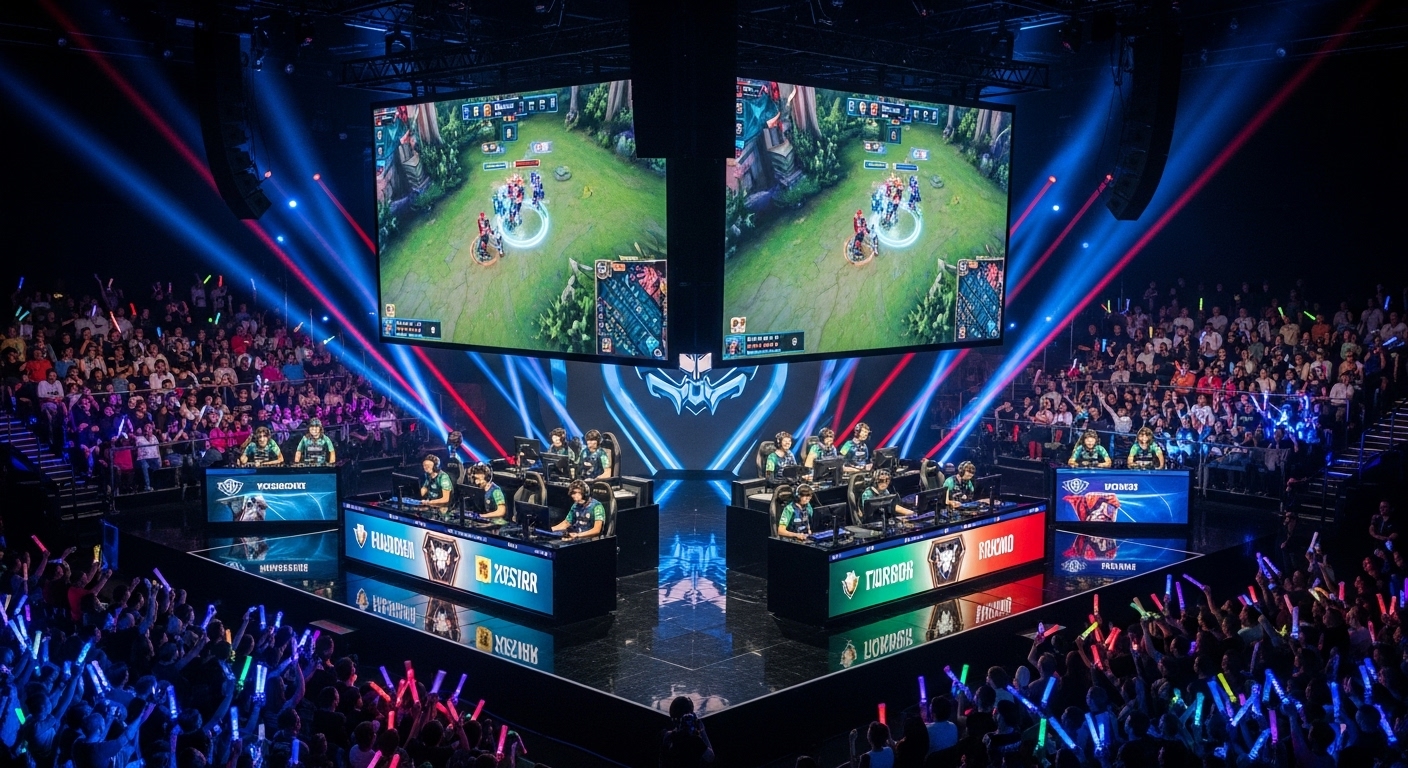
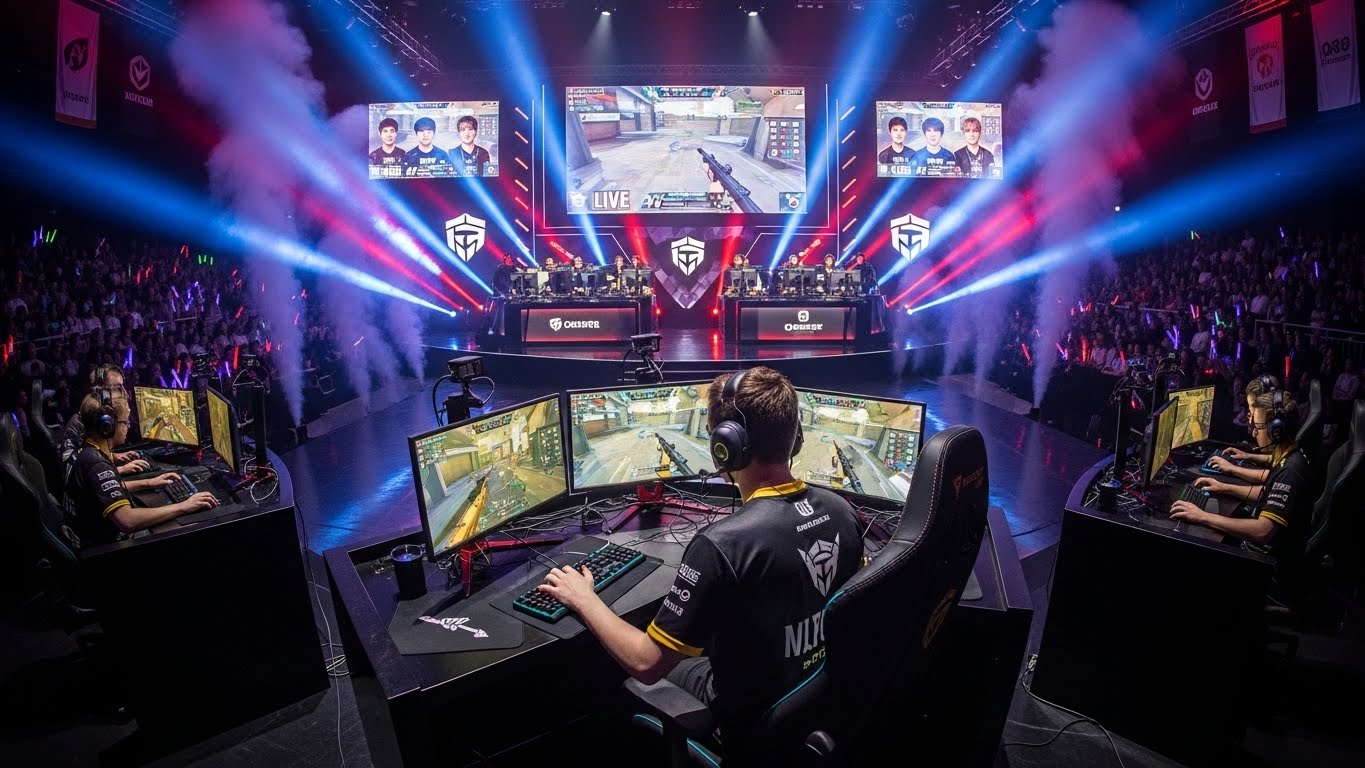
Esports, or competitive video gaming, has transformed from a niche hobby into a global phenomenon that attracts millions of fans, players, and investors. With professional leagues, massive tournaments, and international recognition, esports has become a legitimate industry rivaling traditional sports in popularity, revenue, and cultural impact. This blog explores the evolution of esports, its major genres, economic influence, technology, community aspects, and the future of competitive gaming.
The Evolution of Esports: From Arcades to Stadiums
The origins of esports can be traced back to the late 1970s and 1980s, when early video game competitions emerged in arcades and on home consoles. Games like Space Invaders and Pac-Man sparked local competitions, attracting enthusiasts eager to prove their skills. However, these early contests were limited in scale and primarily community-driven.
The 1990s marked the first significant growth in competitive gaming. With the rise of personal computers and internet connectivity, multiplayer games like Doom, Quake, and StarCraft allowed players to compete online. These games introduced strategic elements, teamwork, and real-time competition, laying the foundation for modern esports.
The 2000s brought structured leagues, sponsorships, and live streaming platforms. Professional gaming organizations emerged, hosting tournaments that drew international audiences. South Korea played a pivotal role in shaping the esports landscape, popularizing games like StarCraft and establishing professional esports leagues that treated players like athletes.
Today, esports has evolved into a global industry, with millions of viewers watching live tournaments in arenas and online platforms. Major events, such as The International for Dota 2 or the League of Legends World Championship, attract multi-million-dollar prize pools and international media coverage, reflecting esports’ mainstream appeal.
Popular Esports Genres and Titles
Esports encompasses a wide range of game genres, each offering unique gameplay, strategies, and spectator experiences.
Multiplayer Online Battle Arenas (MOBA)
MOBA games are team-based strategy games where players control characters with unique abilities to compete against opposing teams. Popular titles include League of Legends and Dota 2. MOBAs require teamwork, strategy, and real-time decision-making, making them ideal for competitive play and spectator engagement.
First-Person Shooters (FPS)
FPS games focus on combat from a first-person perspective, emphasizing accuracy, reflexes, and tactical coordination. Titles like Counter-Strike: Global Offensive, Call of Duty, and Overwatch have established competitive circuits, offering fast-paced action that excites both players and audiences.
Battle Royale Games
Battle Royale games, such as Fortnite and PUBG, combine survival, exploration, and last-person-standing mechanics. These games are dynamic, unpredictable, and highly engaging for spectators due to their tense, high-stakes nature. Strategic planning and quick reflexes are essential for success in these competitions.
Sports Simulation Games
Sports simulation games replicate real-world sports in a digital environment. FIFA, NBA 2K, and Madden NFL allow players to compete virtually, blending the excitement of traditional sports with the accessibility of digital platforms. These games often feature professional leagues and esports tournaments with structured rules and rankings.
Fighting Games
Fighting games, including Street Fighter, Tekken, and Super Smash Bros., involve head-to-head combat between characters with distinct movesets. Competitive fighting games rely on skill, timing, and precision, attracting passionate communities and dedicated tournaments worldwide.
The Economic Impact of Esports
Esports has grown into a multi-billion-dollar industry, driven by sponsorships, advertising, merchandise, ticket sales, and streaming revenue. Corporations recognize esports as a lucrative platform to reach younger, digitally-native audiences, leading to substantial investment in teams, tournaments, and media content.
Professional esports teams operate much like traditional sports franchises, with coaches, analysts, training facilities, and player contracts. Top players earn significant salaries, prize winnings, and endorsement deals, making competitive gaming a viable career path for skilled individuals.
Streaming platforms, including those dedicated to live gameplay, generate revenue through subscriptions, advertisements, and virtual gifting. Esports tournaments, broadcasted globally, attract millions of viewers, providing brands with extensive exposure and marketing opportunities.
Merchandise sales, including team apparel, gaming peripherals, and collectibles, further contribute to the economic ecosystem. The commercialization of esports demonstrates its transition from a hobbyist activity to a robust business sector with sustainable growth potential.
Technology Driving Esports
The rise of esports is closely tied to technological innovation. Advanced hardware, high-speed internet, and interactive streaming platforms have enabled professional competitive gaming to flourish.
High-Performance Hardware
Modern esports requires powerful computers, consoles, and peripherals to ensure smooth gameplay and competitive fairness. Gaming keyboards, mice, monitors, and headsets are optimized for performance, allowing players to respond quickly and execute precise actions.
Internet Connectivity
Reliable and fast internet connections are essential for online competition. Low latency and stable networks ensure fair play and prevent interruptions that could impact tournament outcomes. Cloud-based platforms also allow for remote participation, expanding accessibility and global competition.
Live Streaming and Broadcasting
Streaming technology has revolutionized esports by making tournaments accessible to millions of viewers worldwide. Platforms allow real-time interaction, chat engagement, and community building. Professional production quality, including multiple camera angles, commentary, and overlays, enhances the viewing experience, making esports exciting for spectators.
Artificial Intelligence and Analytics
AI and data analytics play a crucial role in esports coaching, strategy development, and performance evaluation. Teams analyze gameplay data to optimize tactics, improve player performance, and predict opponent strategies. AI-driven tools help maintain competitive integrity by detecting cheating or unfair play.
Community and Cultural Impact of Esports
Esports is more than just competition; it fosters a global community and cultural movement.
Social Connection
Esports connects players and fans across borders, creating communities centered around shared interests. Online forums, social media, and multiplayer platforms allow fans to discuss strategies, celebrate victories, and form lasting friendships.
Professionalism and Recognition
The professionalization of esports has elevated gaming to a respected pursuit. Players are now recognized for skill, dedication, and teamwork, similar to traditional athletes. Colleges and universities have begun offering esports scholarships and programs, integrating competitive gaming into academic and professional pathways.
Inclusivity and Diversity
Esports provides a platform for diverse participation. Unlike some traditional sports, digital competition reduces physical barriers, allowing players of different ages, genders, and abilities to compete on an even playing field. This inclusivity enhances the global appeal and accessibility of esports.
Entertainment and Spectatorship
Spectatorship is a key aspect of esports culture. Fans enjoy watching high-level gameplay, analyzing strategies, and following their favorite teams or players. Esports events often feature live commentary, fan interaction, and entertainment segments, creating a multifaceted experience that blends sports, theater, and digital media.
Challenges in the Esports Industry
Despite its rapid growth, esports faces several challenges.
Regulation and Governance
Esports lacks a unified governing body, leading to inconsistencies in rules, standards, and player contracts across games and regions. Establishing standardized regulations is essential for fair play and industry credibility.
Health and Well-Being
Intense practice schedules and prolonged screen time can lead to physical and mental health issues, including eye strain, repetitive stress injuries, and burnout. Teams and organizations are increasingly emphasizing wellness programs, proper training, and balanced routines.
Cheating and Integrity
Ensuring fair play is a constant challenge in online competitions. Cheating, hacking, and unethical behavior threaten the credibility of esports. Advanced anti-cheat systems and strict tournament regulations are essential to maintain trust among players and audiences.
Sustainability
With rapid growth comes the responsibility of sustainable development. Large-scale events, extensive hardware usage, and energy consumption pose environmental concerns. Industry stakeholders are exploring eco-friendly practices, including green event production and energy-efficient technology.
The Future of Esports
The future of esports is poised for further expansion, innovation, and mainstream integration.
Global Expansion
Esports will continue to expand in regions where competitive gaming is emerging. Increased accessibility, infrastructure, and local leagues will contribute to the global growth of the industry.
Integration with Traditional Sports
Esports and traditional sports are increasingly intersecting. Collaborations, hybrid events, and shared audiences will blur the lines between digital and physical competition, expanding fan engagement and sponsorship opportunities.
Technological Advancements
Virtual reality, augmented reality, and cloud gaming will transform esports experiences, creating new forms of gameplay, spectatorship, and interaction. Innovations in AI and analytics will further enhance strategy, training, and audience engagement.
Mainstream Recognition
Esports is gaining mainstream recognition as a legitimate form of entertainment and competition. Inclusion in international events, college programs, and media coverage will solidify its position as a professional and culturally significant industry.
Conclusion
Esports has evolved from small, community-driven competitions into a global phenomenon with professional leagues, massive audiences, and cultural influence. It has redefined what it means to be an athlete, an entertainer, and a fan in the digital age. With diverse game genres, technological innovation, and a passionate community, esports continues to grow as a major force in the entertainment industry.
As esports moves forward, it promises increased accessibility, professionalism, and immersive experiences. It is not merely a pastime but a cultural movement that shapes the way people compete, connect, and consume entertainment worldwide. With continued innovation and global recognition, esports is set to redefine the future of competitive entertainment for generations to come.