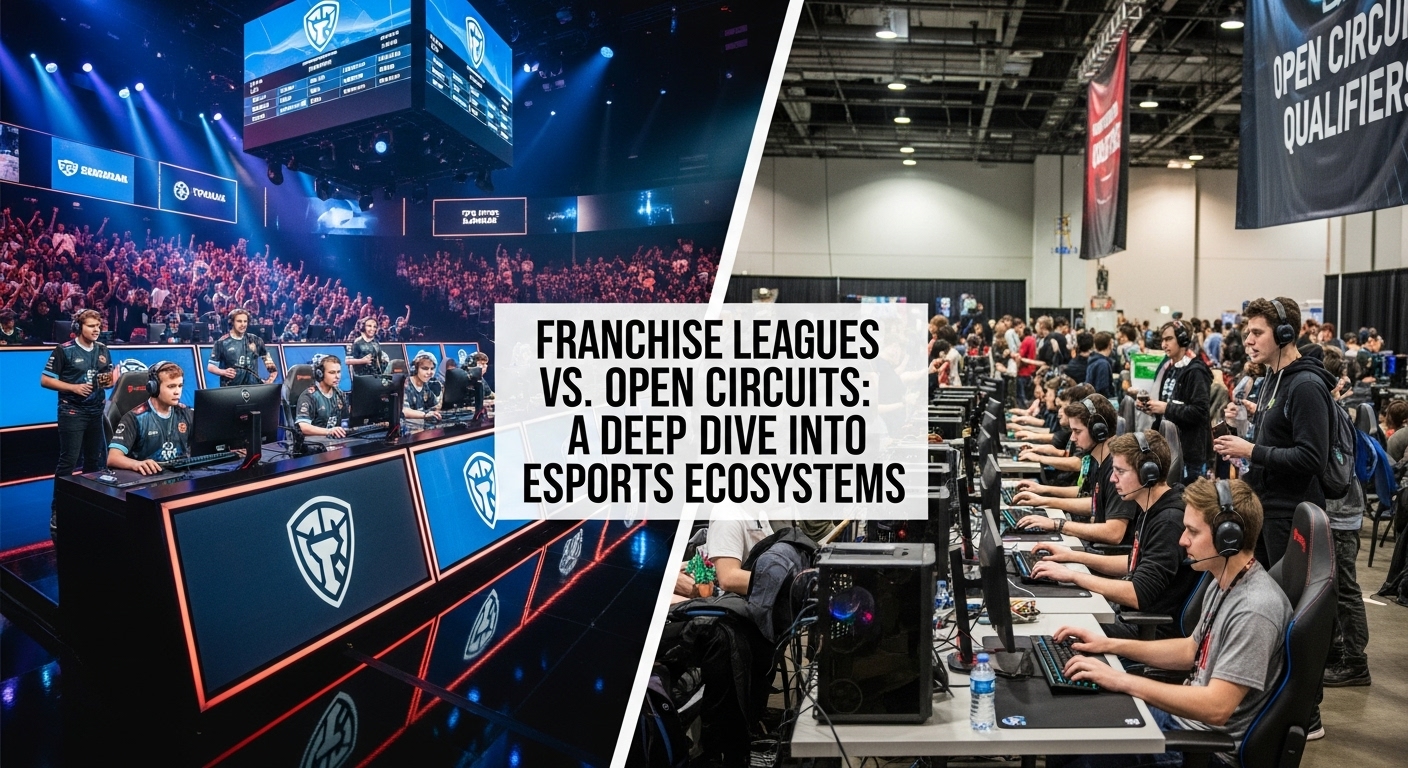

Introduction: From Pastime to Powerhouse
Video games have always been a source of entertainment, but in recent years they have evolved into something far larger: a global competitive ecosystem known as Esports. Once considered a hobby for enthusiasts, Esports now generates billions of dollars in revenue, attracts millions of viewers, and has professional players whose fame rivals that of athletes in traditional sports.
Esports represents more than just gaming; it is a cultural movement, a technological marvel, and a career pathway. This blog explores the history, growth, economic impact, cultural significance, and future of Esports, offering a comprehensive look at this extraordinary industry.
The Origins of Competitive Gaming
The roots of competitive gaming stretch back to the early 1970s. One of the first documented tournaments was held at Stanford University in 1972, featuring the game Spacewar. Winners received modest prizes, but the concept of organized competition set the foundation for modern Esports.
In the 1980s, arcade gaming became a hub for competition. High scores and local leaderboards offered players recognition and prestige. Games like Pac-Man, Donkey Kong, and Galaga turned casual gaming into competitive entertainment.
By the 1990s, the rise of home consoles and personal computers expanded competitive gaming. Titles such as Street Fighter II, Doom, and Warcraft created communities of players dedicated to mastering their skills. The emergence of the internet allowed gamers to connect globally, establishing early online leagues and setting the stage for Esports as we know it today.
The Rise of Professional Esports
The late 1990s and early 2000s marked the professionalization of competitive gaming. South Korea led the way, turning StarCraft into a national obsession. Television channels broadcast matches, players became celebrities, and gaming cafés, known as PC bangs, nurtured local talent.
Major international tournaments such as the World Cyber Games and the Electronic Sports World Cup emerged, offering prize money and recognition. Professional teams formed, complete with coaches, analysts, and management structures. Esports transformed from a hobby into a serious profession, with players dedicating themselves full-time to competition.
The Impact of Online Streaming
The introduction of online streaming revolutionized Esports. Platforms allowed gamers to broadcast live matches to global audiences, creating interactive experiences for fans. Viewers could watch games in real-time, chat with other fans, and learn strategies from professional players.
Streaming platforms also turned players into content creators, giving them personal brands and global followings. Teams leveraged these platforms to promote their rosters, attract sponsors, and engage fans. Online streaming made Esports accessible to anyone, anywhere, and cemented its place as a global phenomenon.
Iconic Games That Shaped Esports
Certain games have been central to the growth and popularity of Esports.
- League of Legends revolutionized competitive gaming with its strategic depth and global tournaments.
- Dota 2 set new records for prize pools, creating some of the largest competitive events in gaming history.
- Counter-Strike: Global Offensive provided a tactical shooter experience that emphasized teamwork and precision.
- Overwatch and Call of Duty introduced fast-paced, visually engaging gameplay that appealed to both players and spectators.
- Battle royale games like Fortnite and PUBG brought casual audiences into the competitive scene, merging entertainment with competition.
Each of these titles contributed to Esports’ growth, helping diversify the audience and expanding the industry’s reach worldwide.
The Life of a Professional Gamer
Professional Esports players are often compared to traditional athletes due to the intensity of their training and the discipline required. Daily routines include practicing mechanics, analyzing gameplay, strategizing with teammates, and reviewing opponents’ tactics. Many players live in gaming houses, training full-time with coaches, analysts, and even nutritionists.
Despite the glamor, professional gaming can be grueling. Burnout, mental stress, and physical strain are common. Careers in Esports tend to be short, often peaking in the early twenties. Nevertheless, the rewards — fame, fortune, and fan adoration — continue to draw new talent into the industry.
Esports as a Spectator Sport
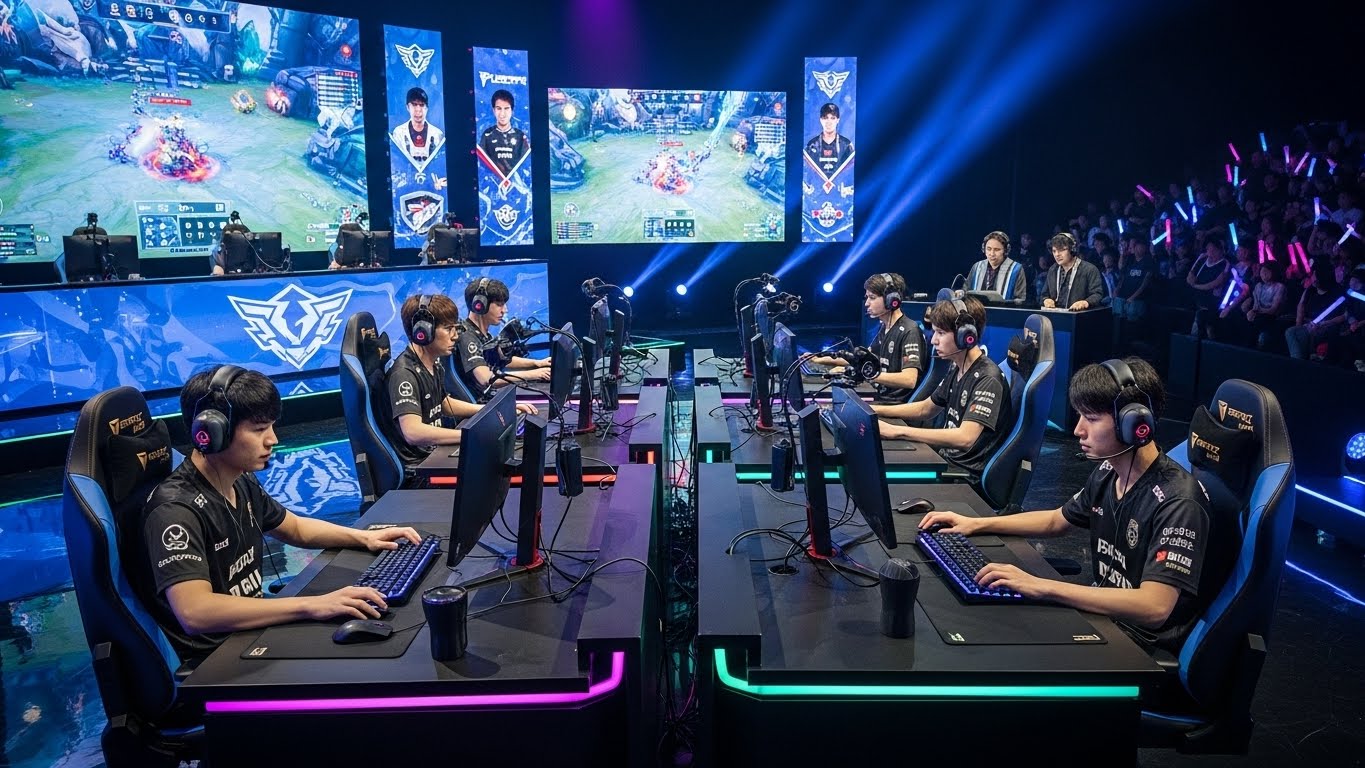
Esports is not only about playing games; it is a major spectator sport. Live tournaments attract thousands of fans to stadiums, while millions more watch online. Commentators, known as casters, narrate gameplay, analyze strategies, and create excitement, much like commentators in traditional sports.
Fans actively engage during broadcasts through chat, social media, and fan communities, enhancing the experience. Unlike traditional sports, spectators can interact directly with players and influence the community, making Esports uniquely immersive and interactive.
Economic Influence of Esports
The Esports industry has grown into a multi-billion-dollar economy. Revenue comes from sponsorships, media rights, advertising, ticket sales, and merchandise. Corporations invest in Esports to reach highly engaged, younger demographics.
Professional teams operate like franchises, managing players, branding, and marketing. Tournament prize pools are substantial, with some exceeding tens of millions of dollars. The industry also drives related sectors such as content creation, gaming hardware, event management, and streaming technology.
Technological Advancements Fueling Esports
Technology plays a central role in the growth of Esports. High-performance gaming PCs, peripherals, and fast internet connections allow players to compete at elite levels. Streaming technology ensures high-quality broadcasts, reaching millions globally.
Emerging technologies such as virtual reality, augmented reality, and artificial intelligence are shaping the next generation of competitive gaming. AI is used to analyze gameplay, predict outcomes, and refine training methods. VR and AR could create immersive tournament environments, redefining how players and fans experience Esports.
Cultural Significance of Esports
Esports has become a cultural phenomenon. Gaming communities transcend national, linguistic, and social boundaries, connecting millions of people worldwide. Fans engage in cosplay, fan art, social media discussions, and event participation, enriching the cultural ecosystem of Esports.
Esports also challenges stereotypes about gamers, emphasizing strategy, skill, and discipline. It represents a legitimate profession and a cultural movement, influencing music, fashion, and entertainment.
Educational Opportunities in Esports
Esports has entered the academic realm, with universities offering courses, programs, and scholarships. Students can pursue careers in professional gaming, coaching, broadcasting, event management, marketing, or game development.
Esports education develops teamwork, leadership, and strategic thinking. Scholarships for talented players validate Esports as a professional pursuit and provide students with structured pathways into the industry.
Promoting Diversity and Inclusion in Esports
Esports has historically been male-dominated, but the industry is becoming more inclusive. Women are increasingly present as players, commentators, analysts, and content creators. Organizations and tournaments are actively promoting diversity and creating safe, welcoming environments.
Representation inspires future generations, proving that competitive gaming rewards skill, dedication, and strategy rather than gender. The focus on meritocracy makes Esports a platform for equality and inclusion.
Challenges Facing Esports
Despite its growth, Esports faces significant challenges. Player burnout and mental health issues remain prevalent due to intense schedules and competitive pressure. Career longevity is limited, prompting organizations to prioritize wellness programs and player support.
Regulation is fragmented, with each game publisher managing rules differently. This can lead to inconsistencies in contracts, competitive fairness, and player rights. Online harassment, cheating, and toxicity also threaten community integrity. The industry continues to develop systems to address these challenges and ensure sustainable growth.
Esports and Traditional Sports: Convergence and Collaboration
Esports and traditional sports were once seen as separate, with skeptics questioning the legitimacy of competitive gaming. Today, the lines are blurring. Professional sports franchises invest in Esports divisions, sponsor events, and reach digital audiences.
Both Esports and traditional sports share principles such as teamwork, strategy, and fan engagement. The key difference lies in medium—one is physical, the other digital. Collaboration between the two industries expands opportunities for innovation, audience engagement, and entertainment.
The Future of Esports
The future of Esports is bright and expansive. Emerging technologies like virtual reality, augmented reality, and the metaverse will create immersive experiences for players and spectators. Global tournaments will grow in scale and innovation, integrating interactive features and new competitive formats.
Institutional support, sponsorship, and fan engagement will drive further growth. Standardized regulations, improved player welfare, and sustainable career pathways will strengthen the ecosystem. Esports is poised to remain a major cultural, economic, and technological force for decades to come.
Conclusion: Esports as a Cultural and Economic Force
Esports has evolved from humble beginnings to a global industry that combines technology, competition, and culture. Players, teams, and fans have built a vibrant ecosystem that merges passion with professionalism.
From small local tournaments to stadium-filling global events, Esports has proven its ability to entertain, inspire, and unite people worldwide. Its influence extends beyond gaming, shaping culture, technology, and careers in the 21st century. The era of Esports is not just here—it is flourishing, and its impact will continue to grow.