Introduction: The Rise of a Digital Era
Esports, short for electronic sports, has transformed from a niche hobby into a multi-billion-dollar global industry. Once, video games were simply a form of entertainment, a way to relax or bond with friends. Today, competitive gaming draws massive audiences, creates celebrities, and fuels careers that rival traditional sports. From local LAN tournaments to stadium-filling global events, Esports has carved its own space in modern culture. This blog will explore the evolution, challenges, culture, and future of Esports, offering a complete understanding of why this phenomenon is impossible to ignore.
The Origins of Competitive Gaming
Competitive gaming is not a recent invention. Its roots trace back to the early 1970s when the first known video game competition took place at Stanford University with the game Spacewar. The prize was modest, but the concept of organized competition was groundbreaking. As technology advanced, arcades in the 1980s became hubs for competitive play, with high scores and local leaderboards offering players recognition.
The 1990s introduced home consoles and PCs, expanding competitive gaming beyond arcades. Titles like Street Fighter II, Warcraft, and Doom became staples in tournaments. The growth of the internet in the late 1990s transformed competition further, allowing gamers to connect globally and participate in online matches. Early online communities and forums became the first social spaces for players, shaping the foundations of modern Esports culture.
Professionalization of Esports
By the early 2000s, competitive gaming began to resemble traditional sports in structure and organization. South Korea played a pivotal role in professionalizing Esports, particularly through StarCraft. Television channels broadcast matches, players became celebrities, and gaming cafés, known as PC bangs, fostered local talent. The concept of Esports as a viable career began to take hold.
Major tournaments like the World Cyber Games and Electronic Sports World Cup provided platforms for players to compete internationally. These events introduced structured leagues, professional teams, and sponsorships. Players now had financial incentives to compete at high levels, leading to the formation of organizations with management, coaching staff, and training facilities. Esports had officially stepped into the professional arena.
The Role of Online Streaming in Esports Growth
The expansion of live streaming platforms was a turning point for Esports. Before streaming, audiences were limited to attending events in person or watching recorded broadcasts. Streaming changed this dynamic by allowing global access in real time. Fans could watch their favorite players, learn strategies, and interact through chat, creating a highly interactive experience.
Streaming platforms also allowed gamers to become content creators and personalities, building their own brands and fan bases. Teams and sponsors capitalized on this exposure, making streaming an essential part of the Esports ecosystem. The combination of live events and online access helped transform Esports into a globally recognized sport.
Key Games That Shaped the Esports Landscape
Certain games have been instrumental in defining competitive gaming. Titles such as League of Legends, Dota 2, Counter-Strike: Global Offensive, and Overwatch established Esports as a mainstream phenomenon. These games combine fast-paced action, strategic depth, and teamwork, making them ideal for spectatorship and competition.
Battle royale games like Fortnite and PUBG introduced new dynamics, attracting younger audiences and merging entertainment with competition. Each game contributes unique elements to the Esports ecosystem, helping expand the audience and diversifying the competitive landscape.
Life of a Professional Esports Player
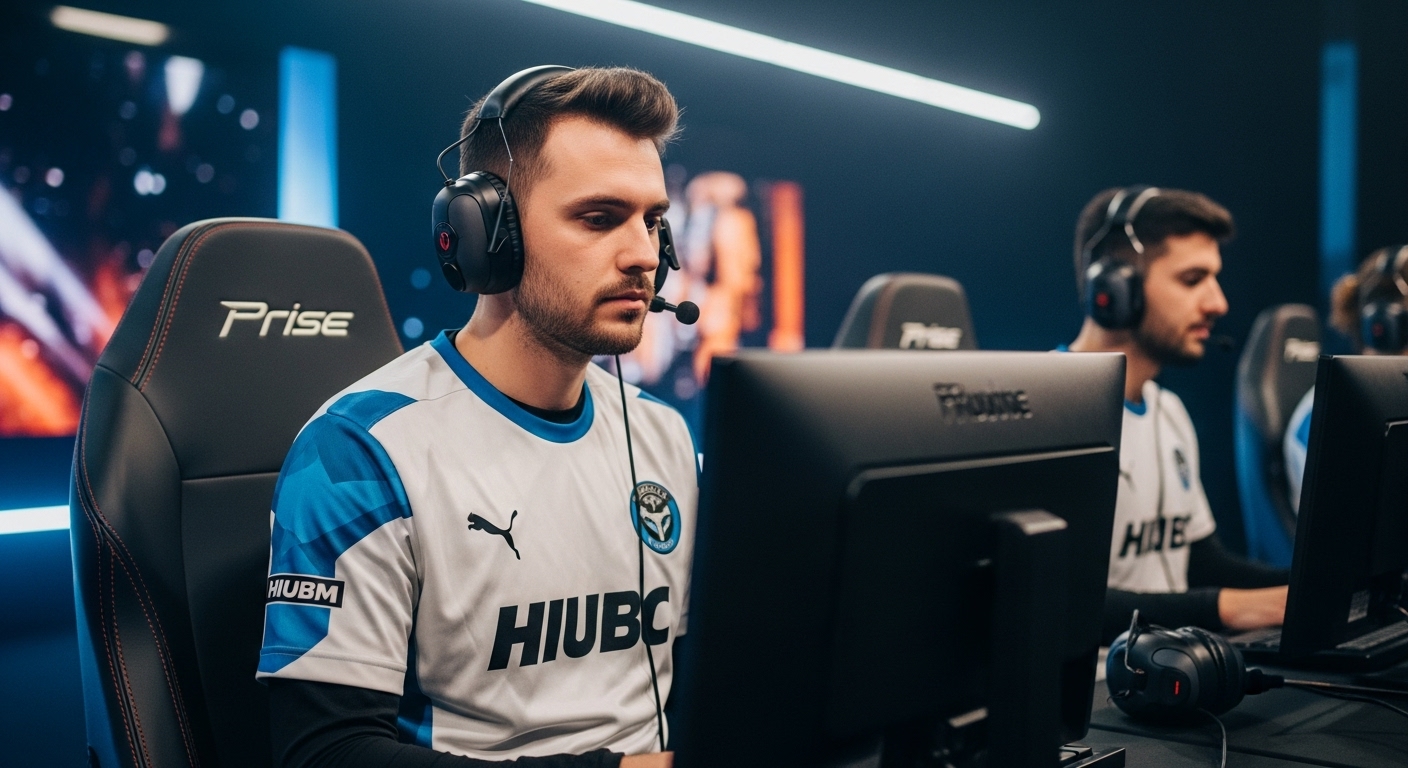
Professional Esports players are modern athletes. They dedicate hours each day to training, studying strategies, and practicing teamwork. Players often live in gaming houses or training facilities with coaches, analysts, and nutritionists to maintain peak performance.
Despite the glamour, the life of a professional gamer is demanding. Burnout, mental stress, and physical strain are common. Careers in Esports are typically short, often peaking in the early twenties. Yet, the rewards — fame, fortune, and personal fulfillment — continue to attract talented individuals worldwide.
Esports as a Spectator Sport
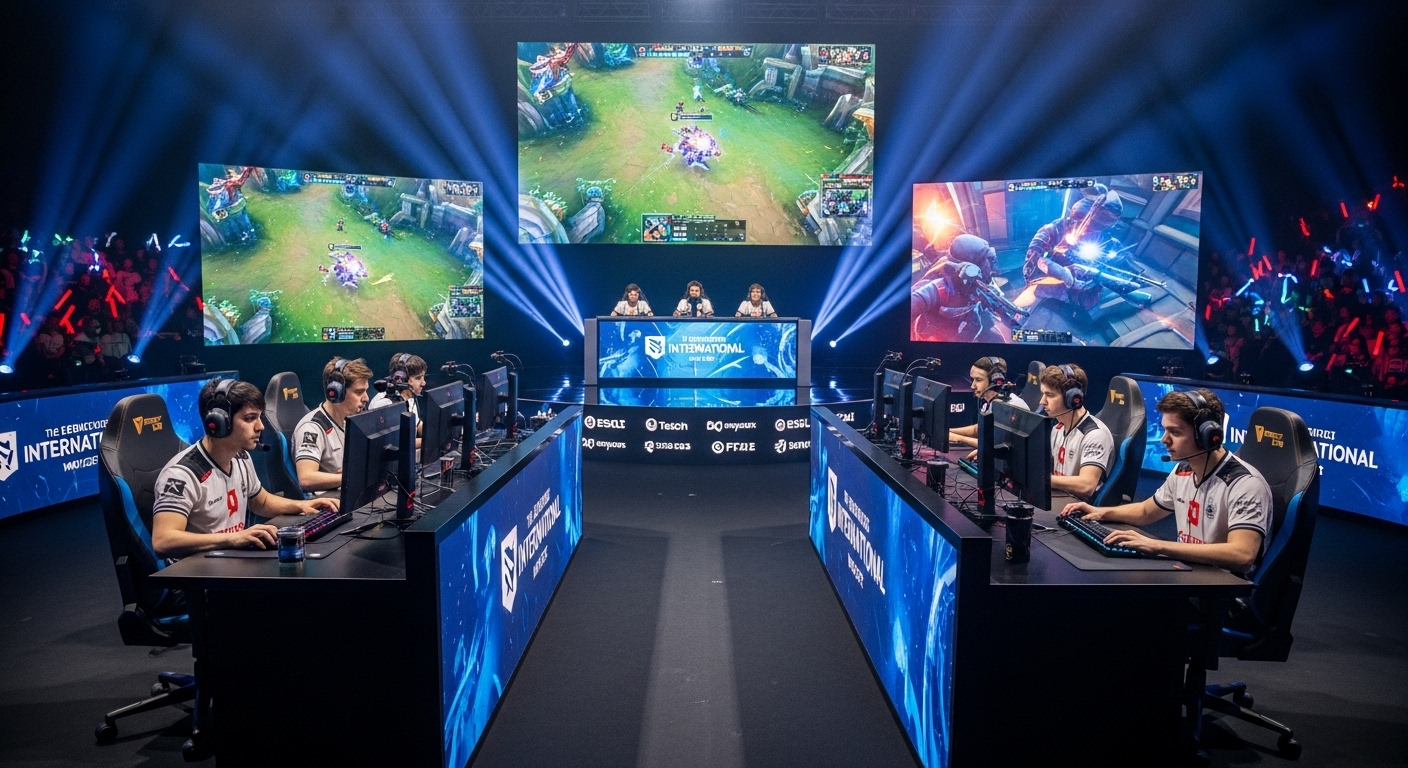
Esports has evolved into a full-fledged spectator sport. Live events attract thousands of fans in stadiums, while millions more watch online. Commentators, or casters, narrate matches, analyzing plays and building excitement. Fans cheer, chant, and celebrate victories, creating an atmosphere comparable to traditional sports.
The interactive nature of Esports allows fans to engage directly with players through streaming platforms. This level of interactivity distinguishes Esports from conventional sports, creating a sense of community and immersion that is unique to competitive gaming.
Economic Impact of Esports
Esports has grown into a multi-billion-dollar industry. Revenue streams include sponsorships, advertising, ticket sales, merchandise, and broadcasting rights. Global brands invest heavily in teams, tournaments, and streaming platforms to reach young and engaged audiences.
Prize pools for tournaments have reached record-breaking amounts, with some events offering tens of millions of dollars. Teams operate like professional franchises, managing rosters, branding, and marketing. The economic impact extends to peripheral industries as well, including content creation, apparel, event management, and technology development.
Technological Innovations Driving Esports
Technology underpins every aspect of Esports. High-performance gaming hardware, fast internet connections, and streaming platforms enable real-time global competition. Innovations in graphics, virtual reality, and augmented reality continue to redefine how games are played and watched.
Data analytics and artificial intelligence are increasingly important. Teams use these tools to study performance, develop strategies, and improve training methods. The integration of advanced technology ensures Esports remains dynamic, competitive, and engaging for players and fans alike.
Cultural Significance of Esports
Esports is more than a competition; it is a global culture. Gaming communities transcend geographical, linguistic, and social boundaries, creating a shared space for millions of enthusiasts. Cosplay, fan art, music, and social media further enrich this culture, blending entertainment with creativity.
The industry has also challenged stereotypes. Professional gamers are now recognized for their skill, strategy, and discipline. Esports is increasingly seen as a legitimate career and cultural force, shaping modern perceptions of gaming and technology.
Educational Opportunities in Esports
Esports has entered academic institutions worldwide. Universities now offer programs and scholarships for competitive gaming, teaching students skills in strategy, teamwork, communication, and leadership.
Beyond gameplay, educational programs include game design, marketing, event management, and broadcasting. These initiatives validate Esports as a legitimate field of study and career path, offering opportunities for students to engage with the industry both academically and professionally.
Women and Diversity in Esports
Historically, gaming was male-dominated, but the Esports landscape is changing. Women are increasingly visible as players, commentators, analysts, and content creators. Organizations and tournaments are actively promoting diversity and inclusion, helping to create a more equitable competitive environment.
Greater representation encourages young women to pursue gaming professionally. Esports’ focus on skill and performance over physical characteristics creates a level playing field, highlighting that success depends on talent and dedication.
Challenges Facing the Esports Industry
Despite its growth, Esports faces significant challenges. Player burnout and mental health concerns remain major issues. The high-pressure environment and rigorous schedules can lead to early retirement. Organizations are beginning to prioritize wellness and support to maintain sustainable careers.
Regulation is another concern. Unlike traditional sports, Esports lacks a centralized governing body, leading to inconsistencies in rules, contracts, and player rights. Cyberbullying, cheating, and toxicity in online communities also threaten the integrity and inclusivity of the industry. Solutions are being developed, but the journey toward professional stability continues.
Esports and Traditional Sports: A Blended Future
Initially, traditional sports and Esports were seen as separate worlds. Critics doubted the legitimacy of competitive gaming. Over time, collaboration has emerged. Football clubs, basketball teams, and global brands now invest in Esports, recognizing its massive potential.
Both fields share common elements: teamwork, strategy, and audience engagement. The distinction lies in medium — one takes place physically, the other digitally. Esports and traditional sports increasingly complement each other, expanding the possibilities for entertainment and engagement.
The Future of Esports
The future of Esports is full of possibilities. Emerging technologies such as virtual reality, augmented reality, and the metaverse will create new experiences for players and spectators. Global tournaments are expected to expand, incorporating innovative formats and immersive experiences.
As institutions, sponsors, and governments embrace Esports, the industry will continue to mature. Standardized regulations, improved player welfare, and sustainable career paths will strengthen the ecosystem. Esports is not a passing trend; it is an evolving global movement that will shape entertainment, culture, and digital interaction for decades.
Conclusion: Esports as a Cultural and Economic Force
Esports has grown from humble beginnings to become a global force, reshaping entertainment, culture, and careers. It combines technology, creativity, and competition in ways few industries can. Players, fans, and organizations contribute to a thriving ecosystem that blends passion with professionalism.
The journey from early arcade competitions to massive stadium tournaments illustrates the resilience and innovation of the gaming community. Esports has proven that digital competition can inspire, unite, and entertain like no other medium. As technology evolves and audiences grow, Esports will continue to redefine what it means to play, watch, and engage in the digital world.