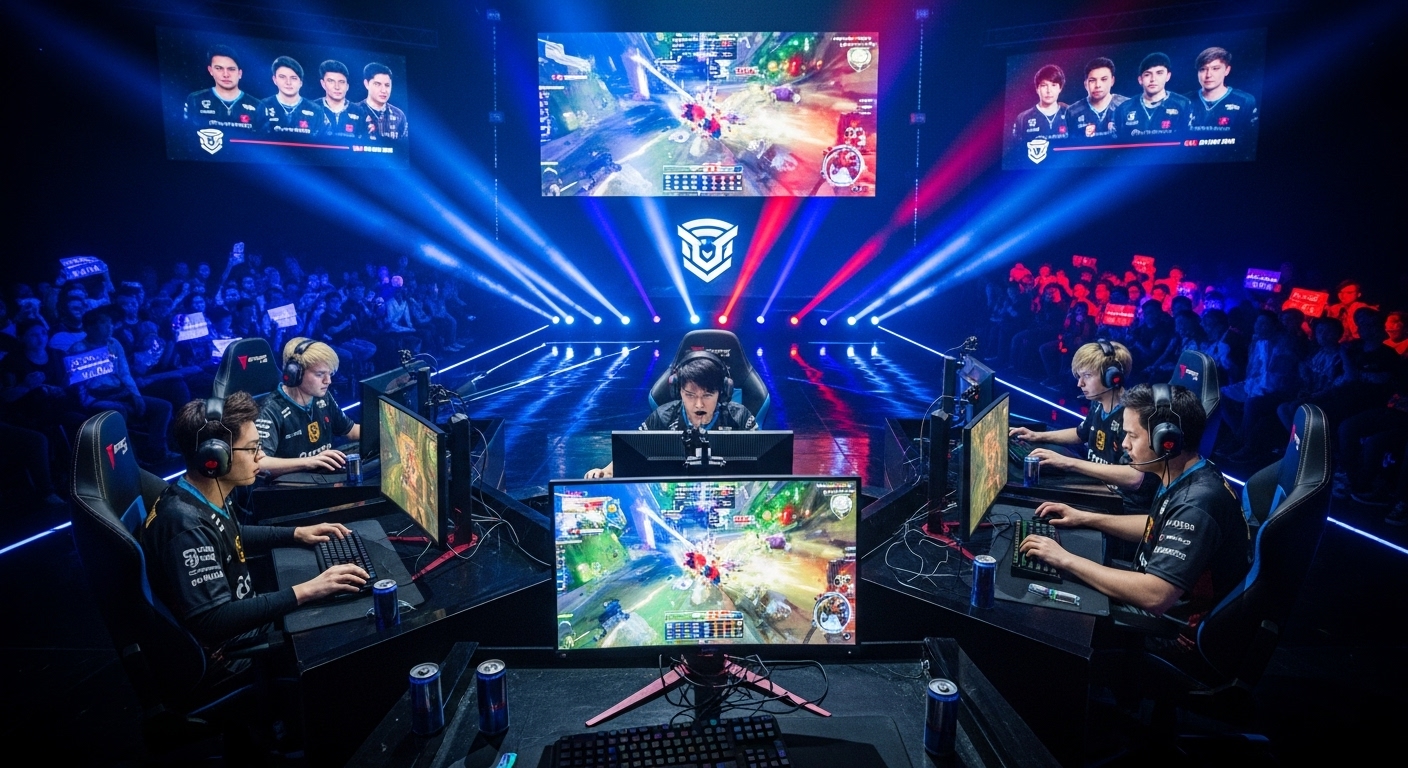

Esports, or electronic sports, has surged in popularity over the past few decades, transforming from a niche hobby into a global phenomenon. What once started as informal gaming competitions between friends has now blossomed into a multibillion-dollar industry with millions of fans worldwide. Competitive gaming has entered the mainstream, captivating people across different age groups, cultures, and geographical regions. Today, esports stands as an integral part of the global entertainment ecosystem. In this blog post, we will explore the evolution of esports, the key players involved, the economic impact, and what the future holds for this exciting and rapidly growing industry.
The Origins of Esports: From Arcade Games to Online Tournaments
The roots of esports can be traced back to the early days of video gaming. In the 1970s and 1980s, arcade games like Pong and Space Invaders were among the first to introduce a competitive element to gaming. Although these early games did not feature organized tournaments or professional players, they laid the groundwork for what would eventually become a global competitive scene.
However, it wasn’t until the 1990s that competitive gaming began to take shape. The rise of LAN (Local Area Network) parties allowed players to compete in multiplayer games, and tournaments started to gain traction. The Red Annihilation tournament in 1997, which featured the game Quake, is often regarded as one of the first major esports events. The tournament offered a Ferrari as the grand prize, drawing widespread attention to the potential of competitive gaming.
The launch of games like StarCraft, Warcraft III, and Counter-Strike in the early 2000s further fueled the esports scene. These games introduced more complex gameplay mechanics and team-based competition, which became central elements in esports. As internet connectivity improved, tournaments could be hosted online, allowing players from around the world to compete against one another. This marked the beginning of a global esports ecosystem.
The Explosion of Esports: Growth in Popularity and Mainstream Recognition
The real explosion of esports came in the late 2000s and early 2010s, when the industry began to gain serious financial backing, and massive global tournaments were organized. The introduction of streaming platforms like Twitch (launched in 2011) revolutionized how esports competitions were consumed. Fans could now watch their favorite players and teams compete in real-time, creating a vibrant community of viewers and participants.
In 2011, League of Legends by Riot Games was released, and it quickly became one of the most popular and influential games in the esports world. The League of Legends World Championship, held annually, became one of the biggest esports events, attracting millions of viewers globally. The success of LoL was followed by the rise of other competitive titles, including Dota 2, Counter-Strike: Global Offensive (CS:GO), Overwatch, and Fortnite.
The increasing popularity of esports has caught the attention of major corporations, investors, and traditional sports organizations. Sponsorships and advertising deals flooded into the industry, and esports events began filling arenas previously reserved for sports like football and basketball. In 2017, the League of Legends World Championship final was held at the Bird’s Nest in Beijing, a venue that previously hosted the 2008 Summer Olympics, further validating esports as a legitimate form of entertainment.
The Key Players in the Esports Ecosystem
Esports is a multi-faceted industry involving a variety of stakeholders who each contribute to its growth and success. The key players in the esports ecosystem include:
Professional Players
At the heart of esports are the professional players. These highly skilled individuals compete in games like Dota 2, Counter-Strike: Global Offensive, and Fortnite, often representing esports organizations or franchises. These players typically undergo years of training and practice to refine their skills and achieve mastery in their chosen games. Many professional players earn income through tournament winnings, sponsorships, streaming, and social media platforms.
Esports Teams and Organizations
Esports teams and organizations play a crucial role in the competitive scene. These teams often consist of highly talented players who compete together in major tournaments. Some of the top-tier esports organizations, such as Cloud9, Team Liquid, and T1, have become household names in the esports community. These organizations often sign sponsorship deals with global brands, and some even manage multiple teams across different game titles.
Esports teams operate similarly to traditional sports teams, with coaches, analysts, and managers helping players hone their skills and strategize for competitions. These teams also have media and content divisions, which help promote players, create engaging content for fans, and attract new audiences.
Game Developers
The game developers behind esports titles hold significant influence over the industry. Companies like Riot Games (League of Legends), Valve Corporation (Dota 2, Counter-Strike: Global Offensive), and Blizzard Entertainment (Overwatch) not only create the games that fuel esports, but they also organize tournaments, manage game balance, and provide financial support to professional players and teams. These developers are responsible for the continued evolution of the games, ensuring that they remain competitive and engaging for players and viewers.
Sponsors and Advertisers
Sponsorships and advertising play a pivotal role in the esports ecosystem. Major brands like Coca-Cola, Intel, and Nike invest heavily in esports, both as sponsors of tournaments and as partners for teams and players. These sponsorships help fund esports events and allow organizations to attract top-tier talent. Advertisers also recognize the vast potential of esports in reaching a younger, tech-savvy audience. In many ways, esports has become an essential marketing channel for companies looking to engage with millennials and Gen Z.
Streaming Platforms and Viewers
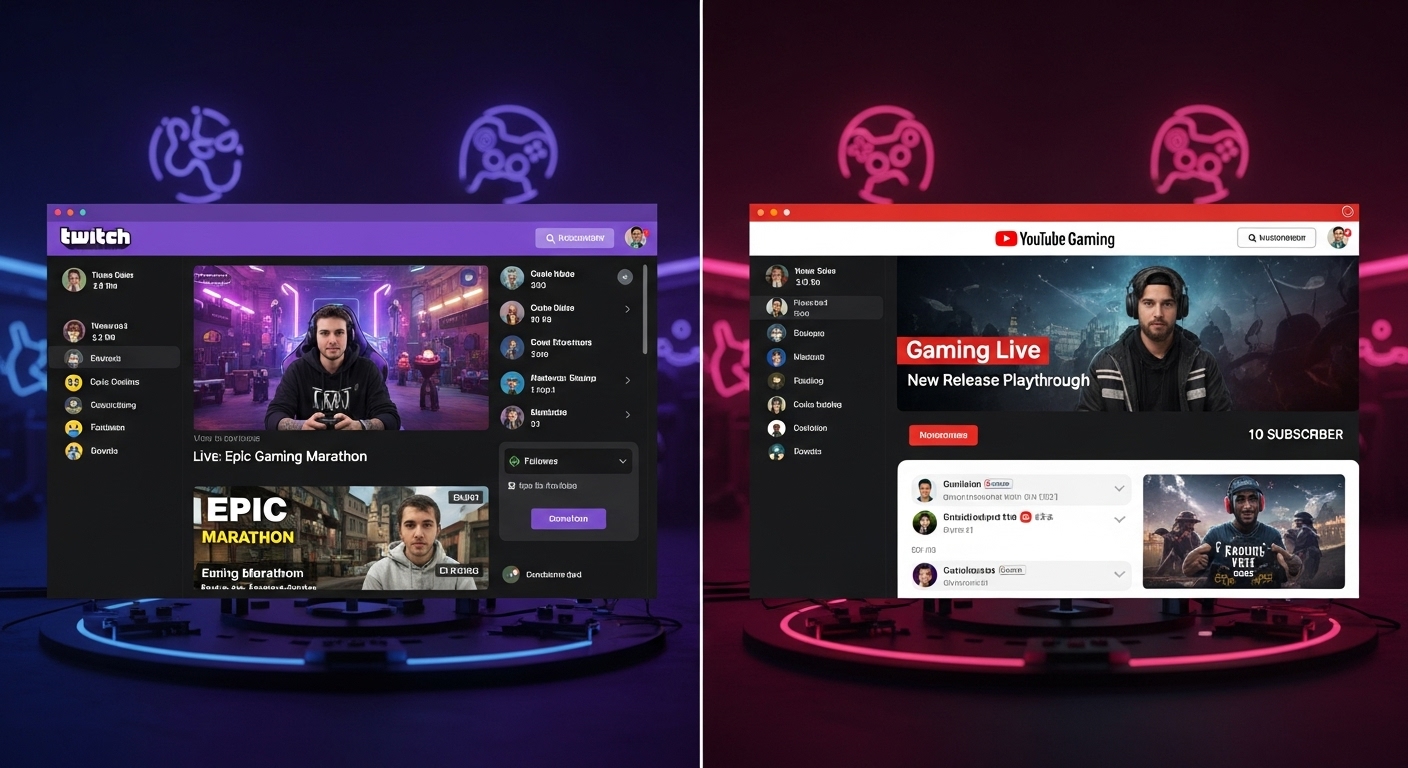
Streaming platforms, such as Twitch and YouTube Gaming, have become essential in the esports ecosystem. These platforms allow fans to watch live broadcasts of competitive gaming events, follow their favorite streamers, and engage with the community. Esports tournaments are often broadcast live, with millions of viewers tuning in to watch the action unfold. The ability to interact in real-time through live chat and social media has made esports more interactive and engaging than traditional sports broadcasts.
Viewers and fans are not passive participants in esports; they are a critical part of the ecosystem. Many fans follow players, teams, and events religiously, often forming fan communities around their favorite games and players. This dedicated fanbase is one of the key drivers of esports’ rapid growth.
The Economic Impact of Esports
The economic impact of esports cannot be overstated. In recent years, esports has grown into a multi-billion-dollar industry, and it is expected to continue its upward trajectory in the coming years. The esports economy is driven by various revenue streams, including:
- Sponsorships and Advertising: As mentioned earlier, brands are heavily investing in esports. Major tournaments and teams secure sponsorships from global corporations, which in turn help fund the production of events and provide financial support to players and organizations.
- Media Rights: The growing popularity of esports has led to the sale of media rights to large streaming platforms and traditional sports broadcasters. The rights to broadcast major esports tournaments like the League of Legends World Championship and The International have been sold for significant sums of money.
- Merchandise Sales: Esports teams often sell branded merchandise such as clothing, gaming accessories, and collectibles. These sales contribute a large chunk of revenue to organizations, and the fan demand for team-related products continues to grow.
- Ticket Sales and Event Revenue: Esports events, particularly major tournaments, generate significant revenue through ticket sales, hospitality, and merchandise. The League of Legends World Championship and The International have filled large arenas, generating millions of dollars in revenue.
The Future of Esports: What’s Next?
As esports continues to evolve, the future looks incredibly promising. With the development of virtual reality (VR) and augmented reality (AR) technologies, esports could soon become an even more immersive experience. VR-based esports, where players compete in virtual worlds using headsets and motion-tracking technology, could revolutionize the industry, providing a new level of interactivity for both players and viewers.
Additionally, the continued expansion of mobile gaming will likely play a crucial role in the future of esports. Mobile esports titles like PUBG Mobile and Clash Royale have already proven that competitive gaming can thrive on mobile platforms. As mobile technology improves, we can expect mobile esports to gain even more traction in emerging markets.
Esports is also poised to become more integrated into mainstream culture. Many universities and colleges around the world have started offering esports scholarships, and high school esports leagues are growing in popularity. In the coming years, we could see esports becoming as established as traditional sports in the educational system.
Finally, the global appeal of esports will continue to grow. While North America, Europe, and Asia have traditionally been the hubs for competitive gaming, esports is rapidly gaining popularity in regions such as South America, the Middle East, and Africa. This globalization of esports will further fuel its growth and help expand the fanbase.
Conclusion: Esports’ Unstoppable Growth
Esports has evolved from humble beginnings into a major global industry, and its future looks brighter than ever. With millions of fans, top-tier players, and multinational corporations investing in the industry, esports has firmly established itself as a significant part of the entertainment landscape. The rapid growth of streaming platforms, the increasing professionalization of teams and players, and the growing economic impact of esports all point to a bright future.