
Introduction
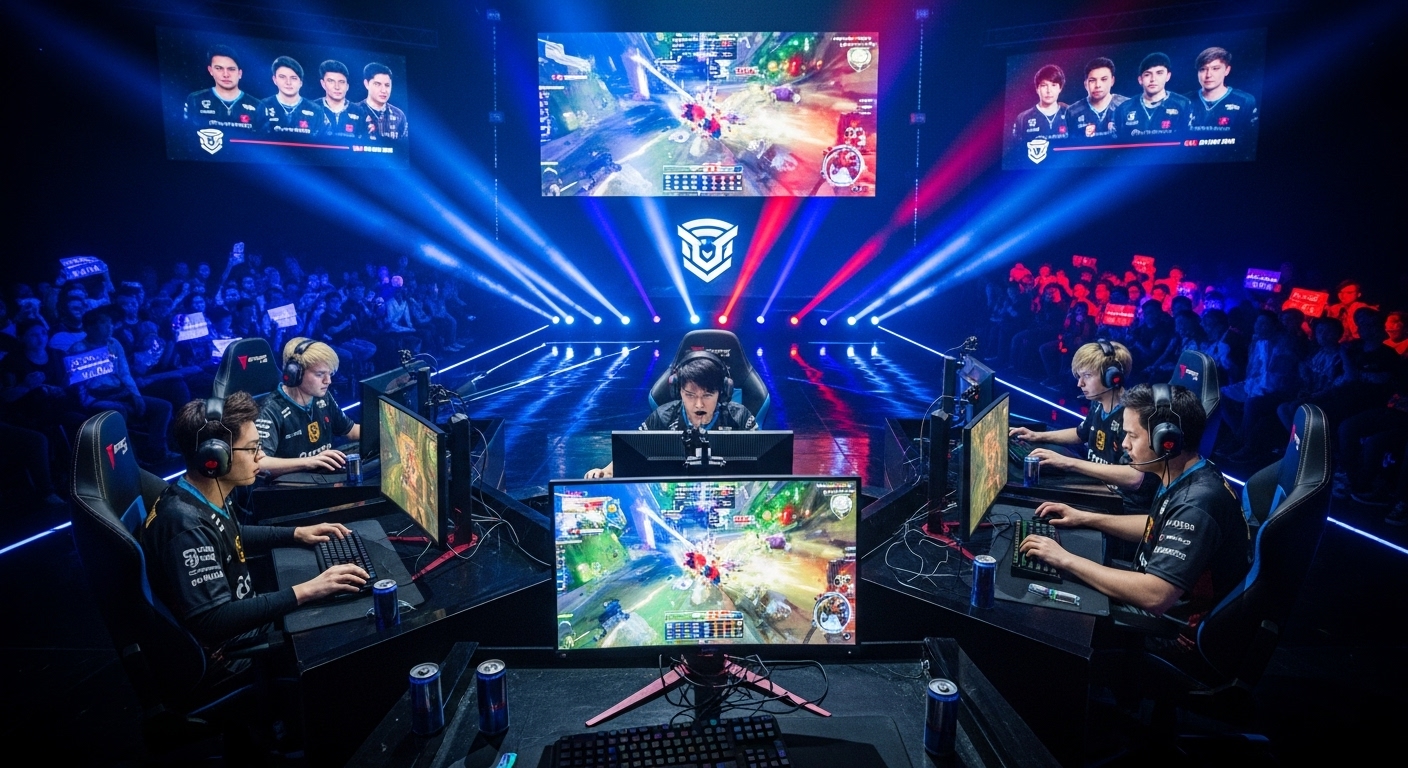
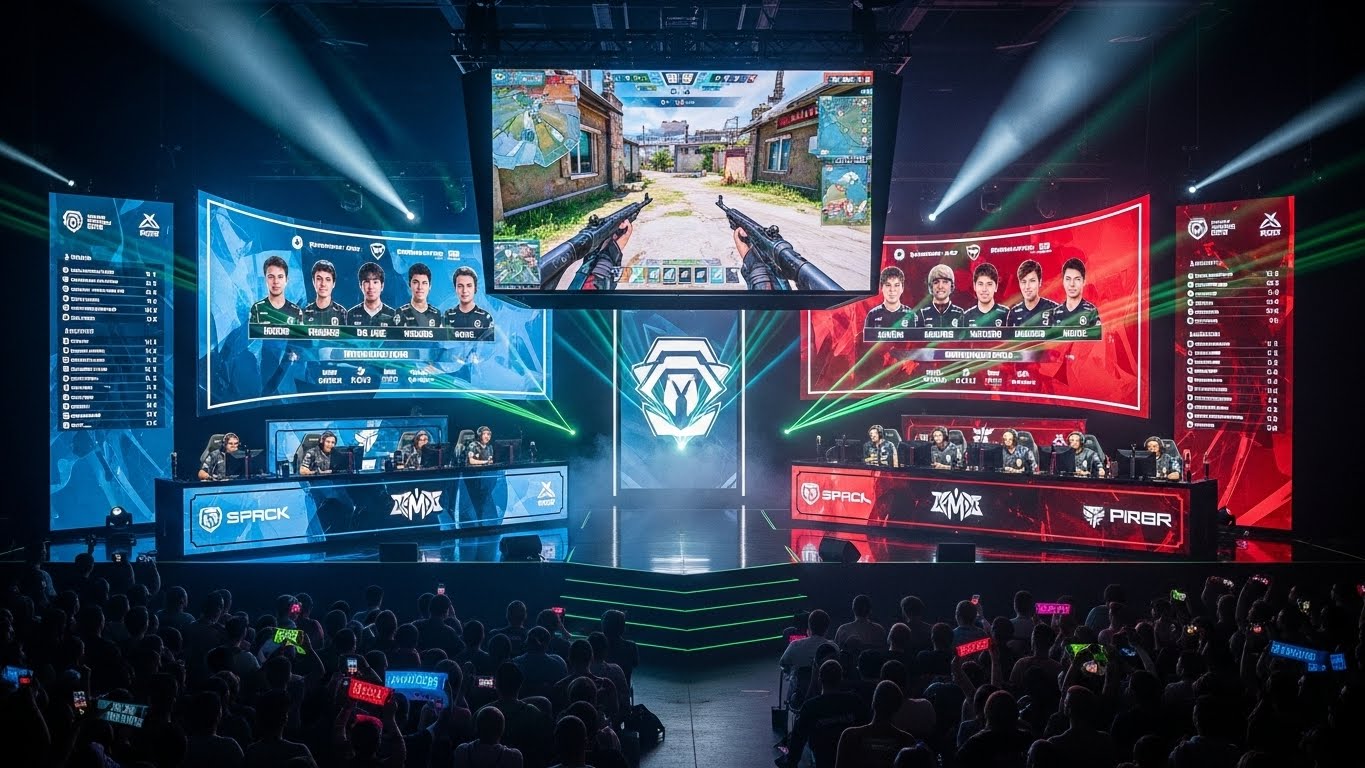
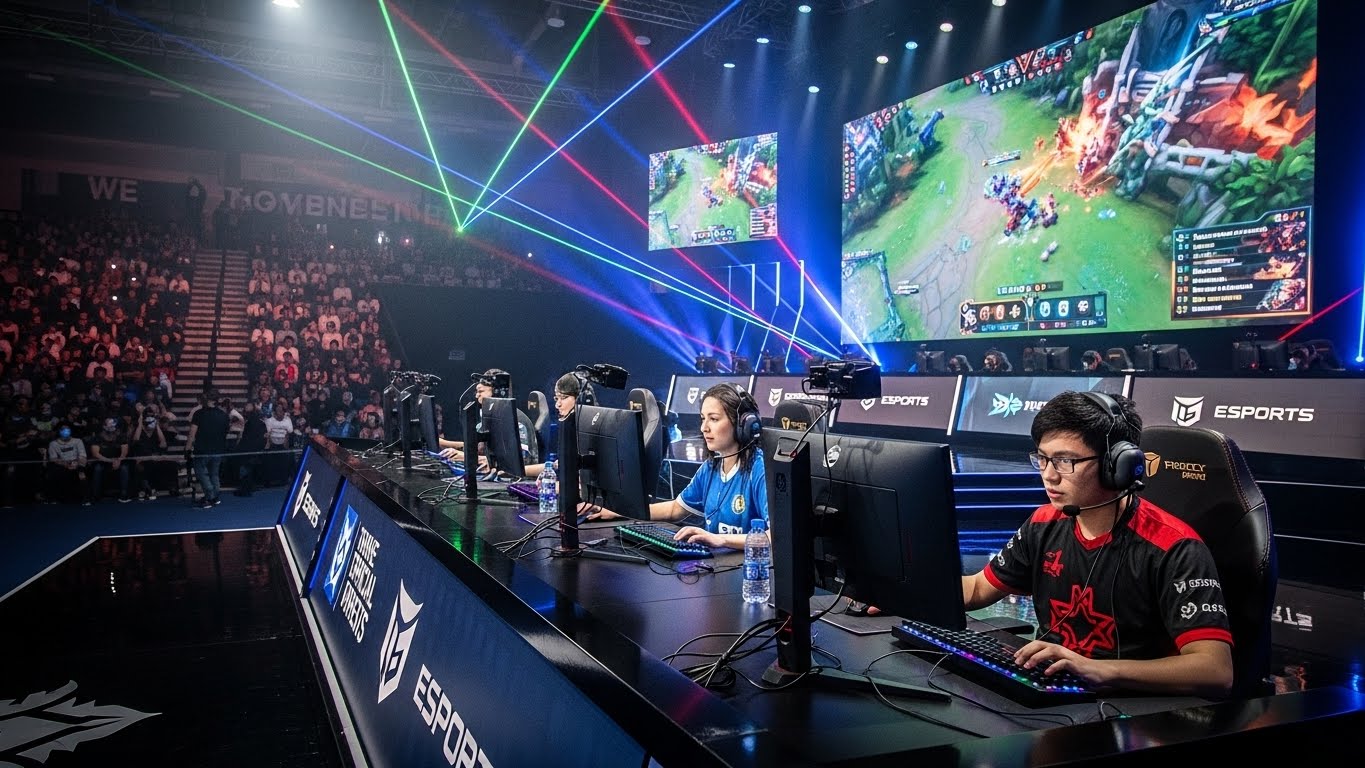
Over the past two decades, esports has transformed from a niche hobby to a mainstream global phenomenon. Competitive video gaming, once reserved for small tournaments and basement competitions, has evolved into an industry worth billions of dollars, attracting millions of fans worldwide. What began as casual online matches has now become a thriving ecosystem with professional players, major sponsorships, and massive global tournaments. Today, esports stands at the crossroads of technology, entertainment, and culture, revolutionizing how we perceive gaming and competition. This blog explores the rise of esports, its impact on the entertainment industry, and what the future holds for competitive gaming.
The Origins of Esports: From Arcades to Online Competitions
The origins of esports can be traced back to the early days of video gaming, where competition and gaming naturally intersected. In the 1970s, arcade games like Pong and Space Invaders sparked the first competitive gaming experiences. While these early contests were informal, they laid the groundwork for competitive gaming’s future.
However, it wasn’t until the 1990s that esports began to take shape as we know it today. The rise of PC gaming and multiplayer games like Quake, StarCraft, and Warcraft III opened up new avenues for competitive play. These games allowed players to connect via local area networks (LANs) or dial-up internet connections, forming the foundation for what would later become global esports competitions.
In 1997, the Red Annihilation tournament for Quake marked a pivotal moment in esports history, where professional players competed for the first time on a large scale. The event not only featured a high level of skill but also introduced the concept of prize money for top players, making esports a potential career path. With these early steps, the groundwork for the global esports industry was laid.
The Rise of Online Gaming: The Internet’s Role in Esports’ Growth
The real boom for esports began with the mass adoption of the internet in the late 1990s and early 2000s. As broadband connections became more widely available, gamers were able to play together from anywhere in the world. This ability to compete in real-time with opponents from different countries and regions was a game-changer for the competitive gaming scene.
Games like Counter-Strike, Warcraft III, and StarCraft gained huge followings, with large online communities forming around them. These games provided both casual players and professional competitors with platforms to engage in online tournaments, ladder systems, and team-based play.
South Korea played a significant role in the early development of esports. By the late 1990s, the country had embraced competitive gaming in a way that few others had. The Korean Professional Gaming League (KeSPA) was established in 2000, and televised StarCraft tournaments became an overnight sensation. The Korean government and private companies invested heavily in esports infrastructure, creating dedicated arenas and broadcasting studios. The rise of South Korea as a hub for competitive gaming helped solidify esports’ legitimacy on the global stage.
The Streaming Revolution: Bringing Esports into Living Rooms
A key factor in esports’ rise to prominence was the explosion of streaming platforms. In 2011, Twitch was founded as a platform specifically designed for gamers to stream their gameplay and connect with fans. Twitch revolutionized the esports industry by making live broadcasts of professional gaming events accessible to anyone with an internet connection. Suddenly, esports tournaments that were previously limited to physical arenas or cable television broadcasts could be watched by millions worldwide, all in real-time.
Streaming allowed fans to interact with players and commentators through live chats, creating a sense of community and engagement around the competitions. Viewers could support their favorite teams and players by donating, subscribing to channels, and participating in online discussions, adding an interactive layer to the esports experience.
In addition to Twitch, platforms like YouTube Gaming and Facebook Gaming also became key players in the esports ecosystem. These platforms not only provided avenues for watching tournaments but also enabled individual streamers to grow large followings. Top streamers became esports celebrities, attracting millions of viewers and lucrative sponsorship deals. The success of platforms like Twitch is one of the primary reasons esports grew into a massive, global entertainment industry.
Esports as a Multi-Billion Dollar Industry
Today, esports is a multi-billion-dollar industry with revenue streams that include sponsorships, advertising, ticket sales, broadcasting rights, and merchandise. In fact, the global esports market is expected to surpass $1.5 billion in revenue in the coming years, a figure that continues to grow as more sponsors and investors get involved in the space.
One of the biggest drivers of this growth has been the increasing prize pools offered in major tournaments. The International, the annual Dota 2 tournament, set a new benchmark for esports prize money with a prize pool exceeding $40 million in 2021. Other major esports tournaments, like the League of Legends World Championship and the Overwatch League, offer millions of dollars in prizes for top competitors.
Esports sponsorships have also grown substantially. Companies like Intel, Red Bull, Coca-Cola, and Nike have all recognized the immense potential of esports as a marketing tool and have signed major sponsorship deals with teams and players. These partnerships help fund teams, provide resources for tournament organizers, and allow brands to engage with a highly coveted, young audience.
In addition to sponsorships, esports is attracting significant media rights deals. Major streaming platforms like Twitch and YouTube have signed multi-million-dollar contracts to broadcast esports events. As esports continues to grow in popularity, traditional television networks have also begun broadcasting select esports tournaments, further elevating its visibility.
The Professionalization of Esports: Teams, Coaches, and Managers
The rise of esports has also led to the professionalization of competitive gaming. What was once a hobby for many players has now become a career for the most talented and dedicated individuals. Esports organizations now operate much like traditional sports teams, with professional coaches, analysts, team managers, and support staff helping players improve their performance and succeed in high-stakes tournaments.
Professional esports teams, such as Team Liquid, Cloud9, and FaZe Clan, have become household names in the esports world. These teams sign top-tier players and provide them with salaries, training, and resources to help them succeed. The level of dedication required to be a professional esports player is immense. Players often train for up to 12 hours a day, refining their strategies, improving their teamwork, and staying on top of the ever-evolving metagame of their chosen titles.
Much like traditional sports teams, esports organizations have their own coaches and analysts who help players analyze their performances and develop winning strategies. As a result, the role of the coach has become just as important in esports as it is in traditional sports, with coaches working closely with players to help them perform under pressure.
The Global Community: Connecting Fans and Players
Esports has helped create a global community of players and fans who share a love for competitive gaming. Unlike traditional sports, where competition is often confined by geographic boundaries, esports allows players from all over the world to compete on an equal footing. Online tournaments and league systems allow players to represent their countries and regions while competing for global recognition.
The global nature of esports has also fostered a unique sense of camaraderie among fans. Gamers can interact with one another across time zones, participate in online discussions, and cheer for their favorite teams and players from anywhere in the world. This global community is one of the defining features of esports, making it an inclusive, welcoming space for people of all backgrounds.
Esports has also become a cultural phenomenon, with fans forming a deep connection to the games they watch. Major tournaments, such as The International and the League of Legends World Championship, attract massive crowds to stadiums, while millions more tune in from home via live streams. These events often feature elaborate opening ceremonies, live commentary, and fan engagement activities, turning them into spectacles on par with traditional sporting events.
The Future of Esports: Technology and Growth
Looking ahead, the future of esports seems incredibly bright. The industry is expected to continue its rapid growth, with new games, technologies, and innovations driving its expansion. The integration of virtual reality (VR) and augmented reality (AR) into gaming could further enhance the spectator experience, offering new ways for fans to engage with tournaments and events.
In addition, the rise of mobile esports presents new opportunities for players and viewers. Mobile gaming has exploded in popularity, especially in regions like Asia, where games like PUBG Mobile and Arena of Valor dominate the competitive scene. The accessibility of mobile gaming means that esports can reach a broader audience, including players and fans in markets with limited access to high-end gaming PCs and consoles.
Esports is also expected to become more integrated into mainstream sports and entertainment. As esports continues to grow in popularity, the lines between traditional sports and esports are beginning to blur. Major sporting events, such as the Asian Games, have already included esports as a demonstration sport, and the potential for esports to be included in the Olympic Games is becoming more realistic.
Conclusion
Esports has come a long way from its humble beginnings in arcades and local tournaments. Today, it is a multi-billion-dollar industry with professional leagues, global tournaments, and millions of fans. The rise of streaming platforms, media rights deals, and sponsorships has helped propel esports into the mainstream, making it a legitimate form of entertainment on par with traditional sports.
As technology continues to evolve and esports continues to grow, it will undoubtedly remain at the forefront of the entertainment industry. With its global community, competitive spirit, and immersive experiences, esports is shaping the future of how we view gaming, competition, and entertainment. Whether you’re a player or a fan, one thing is certain: esports is here to stay.