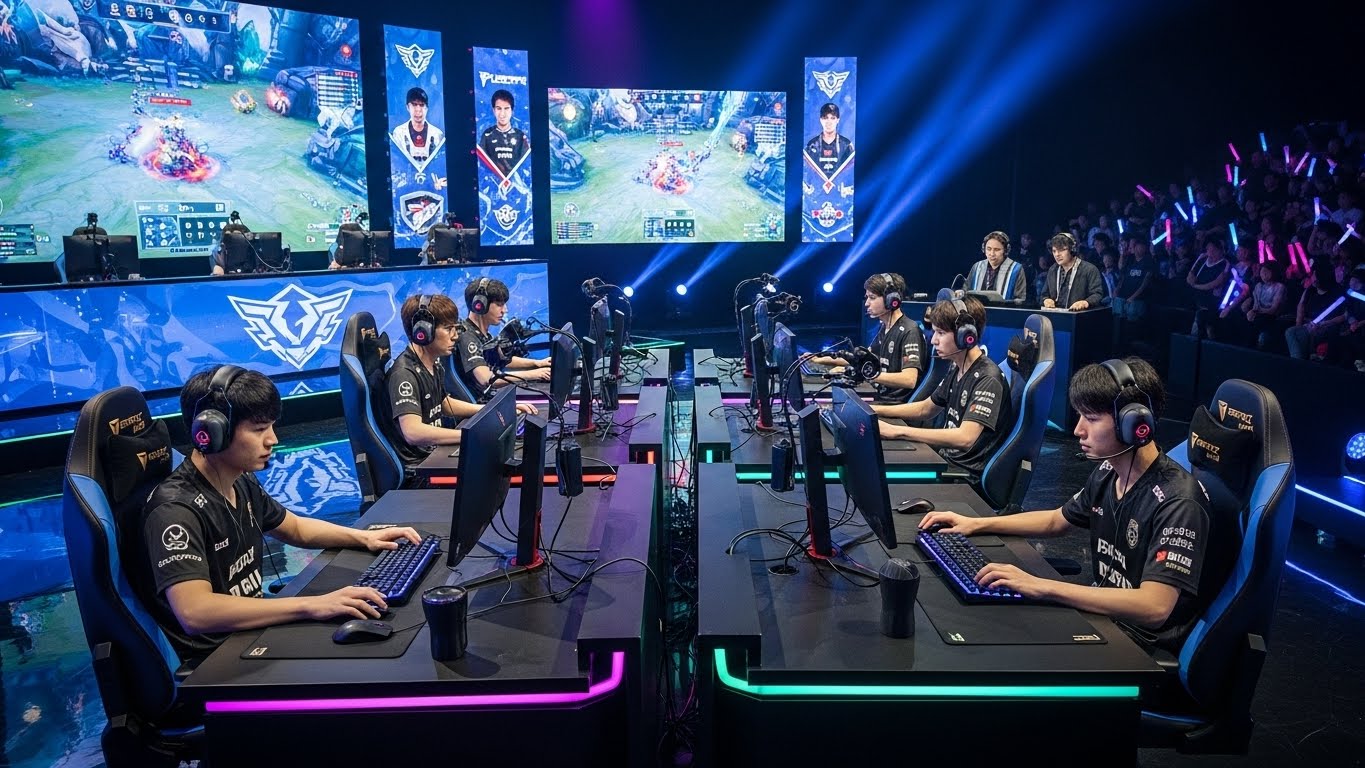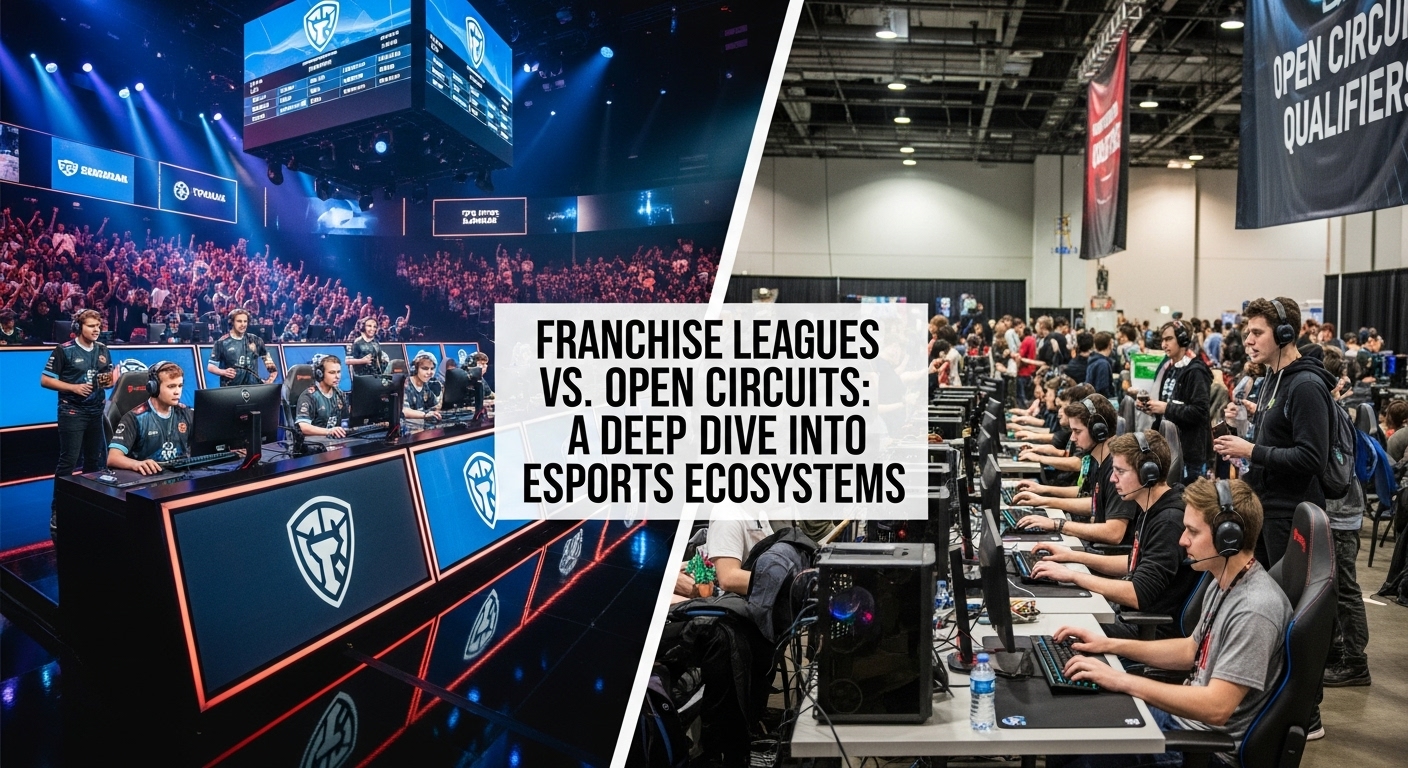
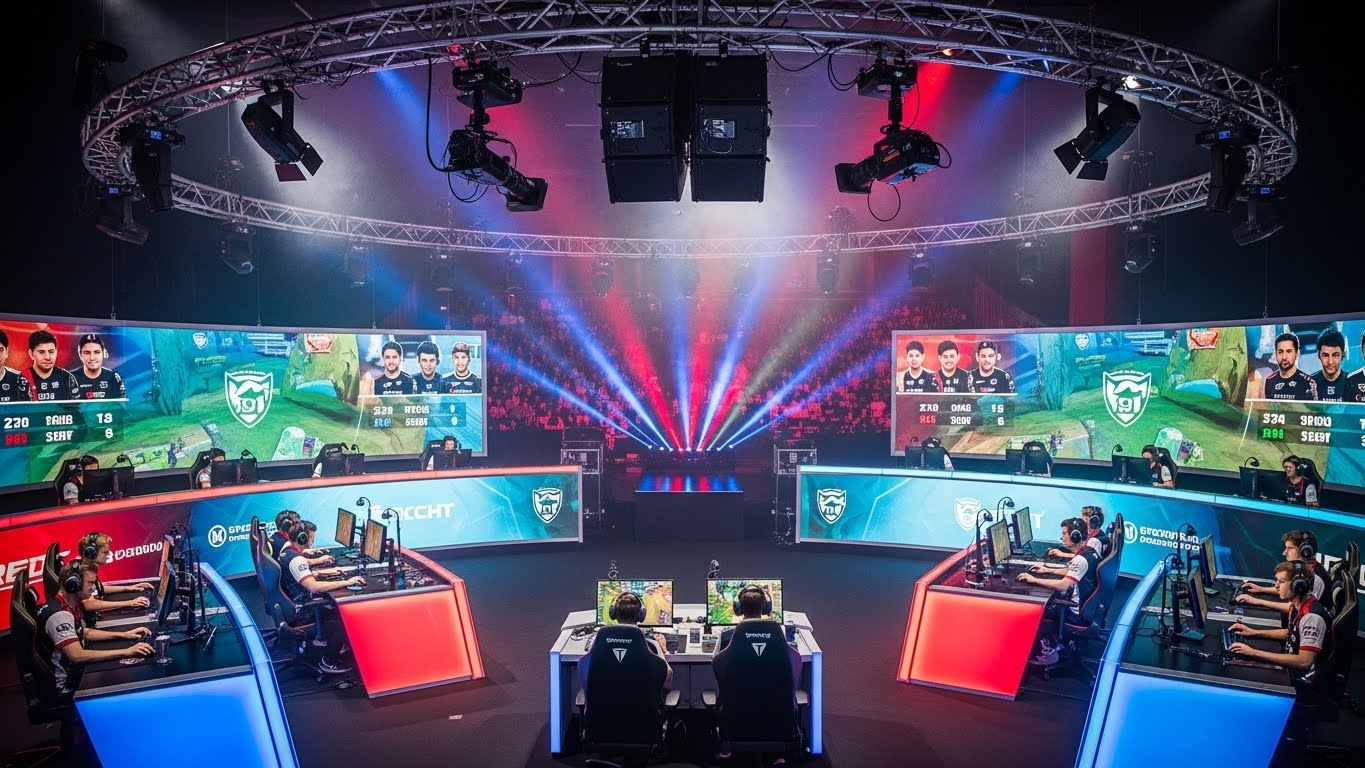
Esports has grown from a small, niche hobby into a worldwide phenomenon, captivating millions of fans and generating billions in revenue. What was once considered a pastime for avid gamers is now recognized as a legitimate form of competition and entertainment. Today, professional esports players are celebrated like traditional athletes, tournaments attract global audiences, and esports has become a cultural and economic powerhouse.
Understanding Esports: Beyond Gaming
Esports, short for electronic sports, is the organized, competitive playing of video games. Unlike casual gaming, esports involves players or teams competing at high levels in games such as multiplayer online battle arenas, first-person shooters, real-time strategy games, and sports simulations. These competitions are structured, often professional, and sometimes come with significant prize pools.
Esports has grown into more than just a hobby. It is now an industry where players train extensively, strategies are meticulously developed, and coaching and analytics play a crucial role. Fans watch matches with enthusiasm, often engaging in commentary, discussions, and streaming, making esports a unique blend of sports, entertainment, and digital culture.
The History of Esports: From Arcades to Global Tournaments
The roots of esports can be traced back to the 1970s and 1980s when arcade games and local tournaments were popular. Early competitions like the Space Invaders Championship in the United States attracted thousands of participants. While these were modest events, they laid the foundation for competitive gaming.
In the 1990s, the rise of multiplayer games like Quake, StarCraft, and Counter-Strike helped establish esports as a more organized activity. Local area network tournaments allowed players to compete in person, and as internet technology improved, online competitions became possible. This enabled players from different parts of the world to compete against each other, opening esports to a global audience.
The 2000s saw the emergence of iconic esports tournaments, such as the World Cyber Games and Electronic Sports World Cup. Today, events like the League of Legends World Championship and The International for Dota 2 offer millions in prize money and attract audiences that rival those of major traditional sports events.
Global Audience and Fan Engagement
One of the most striking aspects of esports is its global fan base. Millions of viewers watch tournaments online, while thousands attend live events. Unlike traditional sports, esports often allows for direct interaction with players, live commentary, and real-time engagement. Fans can follow their favorite players’ streams, participate in discussions, and even influence certain in-game events through interactive features.
Esports audiences are generally young, tech-savvy, and highly engaged. Most fans are between 18 and 34 years old, which makes them a valuable demographic for advertisers and sponsors. Gaming communities form around specific titles, teams, or players, fostering loyalty and identity. Social media platforms, forums, and streaming services help fans stay connected, creating a thriving and active community culture.
The Economics of Esports: A Billion-Dollar Industry
Esports has become a multi-billion-dollar industry with diverse revenue streams. Sponsorships and advertising are major contributors, with companies investing in tournaments, teams, and individual players to reach the highly engaged esports audience. Major brands from technology, beverage, and apparel industries frequently partner with esports organizations, creating mutually beneficial relationships.
Media rights also play a significant role. Esports tournaments sell broadcasting rights to streaming platforms and networks, allowing millions of fans to watch globally. Ticket sales from live events and merchandise, including jerseys, hats, and collectibles, contribute further to the industry’s growth.
In-game purchases and microtransactions are another key source of revenue. Many esports games offer cosmetic items, character skins, and other enhancements that players can purchase, which financially supports both the game developers and competitive scene.
Streaming Platforms and Esports Growth
The rise of streaming platforms has been pivotal in esports’ growth. Platforms such as Twitch and YouTube Gaming allow players to broadcast live matches to millions of viewers, often with commentary and interactive chat features. These platforms not only expand the audience for esports but also create new income opportunities for players through subscriptions, donations, and sponsorship deals.
Streaming has also democratized esports access. Fans can watch professional matches, follow their favorite players, and participate in the community without needing to attend physical events. This accessibility has helped esports reach a wider and more diverse audience than traditional sports alone.
Esports as a Career
Esports has created legitimate career opportunities, turning competitive gaming into a viable profession. Professional players earn money through tournament winnings, sponsorships, streaming revenue, and team salaries. Becoming a professional requires rigorous practice, strategic understanding, and mental resilience. Many players spend hours daily training, reviewing gameplay, and working with coaches and analysts.
Esports players, like traditional athletes, need physical and mental conditioning. Long hours of gameplay, intense competition, and frequent travel can take a toll on mental health and physical well-being. Teams now employ psychologists, nutritionists, and fitness trainers to ensure their players remain at peak performance.
Beyond players, esports has expanded into careers in content creation, event management, marketing, analytics, and broadcasting. This growing ecosystem provides opportunities for individuals with a variety of skills and expertise.
Esports and Traditional Sports: Collaboration and Influence
The relationship between esports and traditional sports has strengthened in recent years. Sports leagues and professional teams have invested in esports, creating teams or launching dedicated competitions. For example, the NBA 2K League allows basketball players and esports enthusiasts to engage in competitive gaming in parallel with the sport itself.
Esports and traditional sports also collaborate in marketing, fan engagement, and event hosting. Arenas that host traditional sports matches now host esports tournaments, and esports organizations adopt management and branding strategies from conventional sports teams. This collaboration shows that esports is not merely competing with traditional sports; it complements and expands the sports entertainment landscape.
Challenges in Esports: Health, Fair Play, and Sustainability
Despite its success, esports faces unique challenges. Mental health is a critical issue, as professional players deal with stress, burnout, and anxiety due to long hours and high-pressure environments. Teams and organizations are increasingly investing in support systems to ensure player well-being.
Maintaining fair competition is another challenge. Cheating, hacking, and unfair practices can undermine tournaments’ credibility. Organizers implement strict rules, monitoring systems, and anti-cheating technologies to uphold integrity.
Sustainability is an emerging concern. Esports events consume significant energy and resources, especially large-scale live tournaments. Organizers are exploring eco-friendly solutions such as virtual events, energy-efficient production, and reduced travel to lessen environmental impact.
The Future of Esports: Innovation and Expansion
The future of esports is full of possibilities. Emerging technologies like virtual reality, augmented reality, and artificial intelligence are poised to transform how players compete and fans experience the game. Virtual reality could allow audiences to feel fully immersed in matches, while AI can enhance player performance, match analysis, and strategic insights.
Mobile esports is also expanding rapidly. With smartphones becoming ubiquitous, competitive gaming is no longer limited to consoles and PCs. Mobile games attract millions of players and viewers, creating new opportunities for tournaments, sponsorships, and community engagement.
Global expansion is another key trend. Esports is growing rapidly in Asia, Europe, North America, and South America, making it a truly international phenomenon. As infrastructure, investment, and cultural acceptance increase, esports is likely to continue evolving and gaining prominence worldwide.
Conclusion: Esports as a Cultural and Professional Force
Esports has transcended its roots as a niche hobby to become a global cultural and professional force. It has created new career opportunities, generated economic growth, and established a vibrant community of fans and players. The industry has redefined the concept of competition, combining technology, entertainment, and sportsmanship into a unique global experience.
With ongoing technological innovations, increasing investments, and a growing international audience, esports is set to continue its upward trajectory. It is no longer just a game but a major cultural movement that shapes entertainment, community, and the way people experience competition. The world of esports is evolving rapidly, and its impact on the global stage will only become more significant in the years to come.