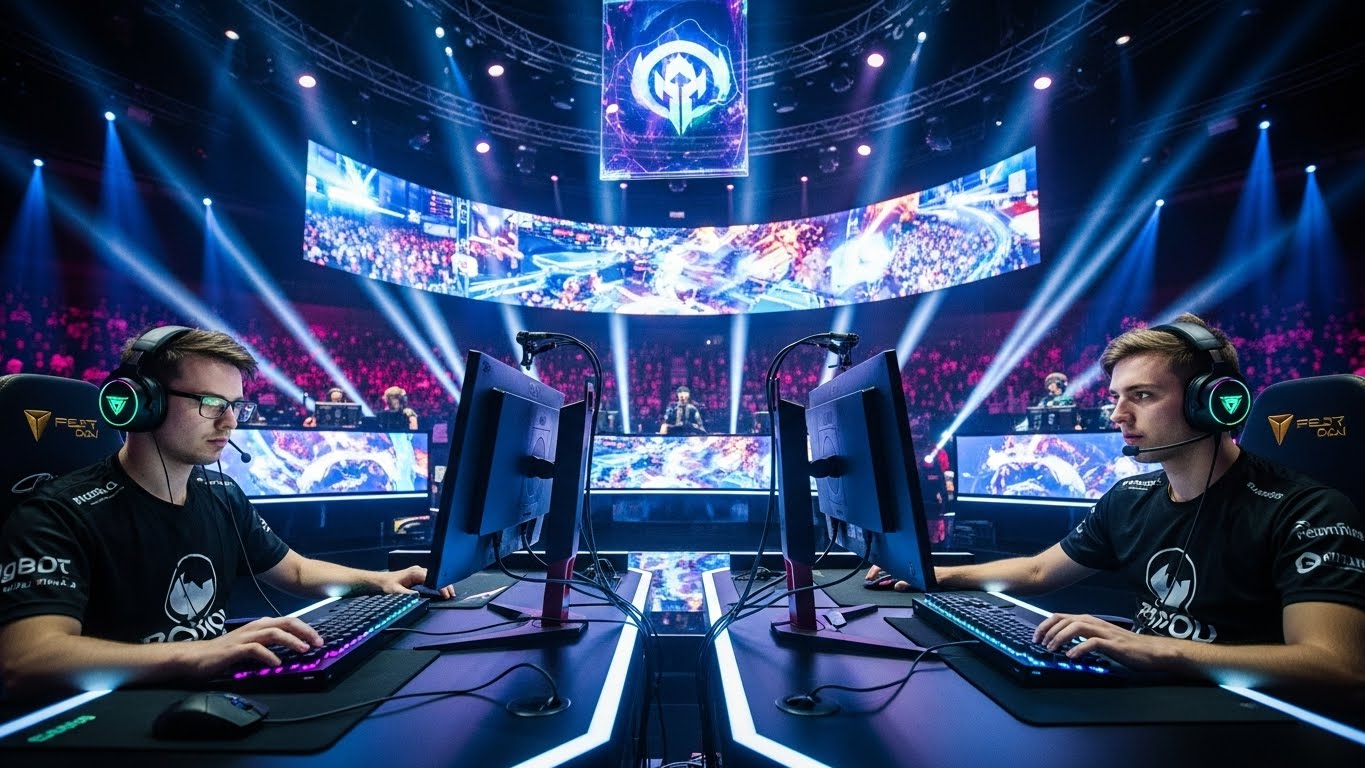
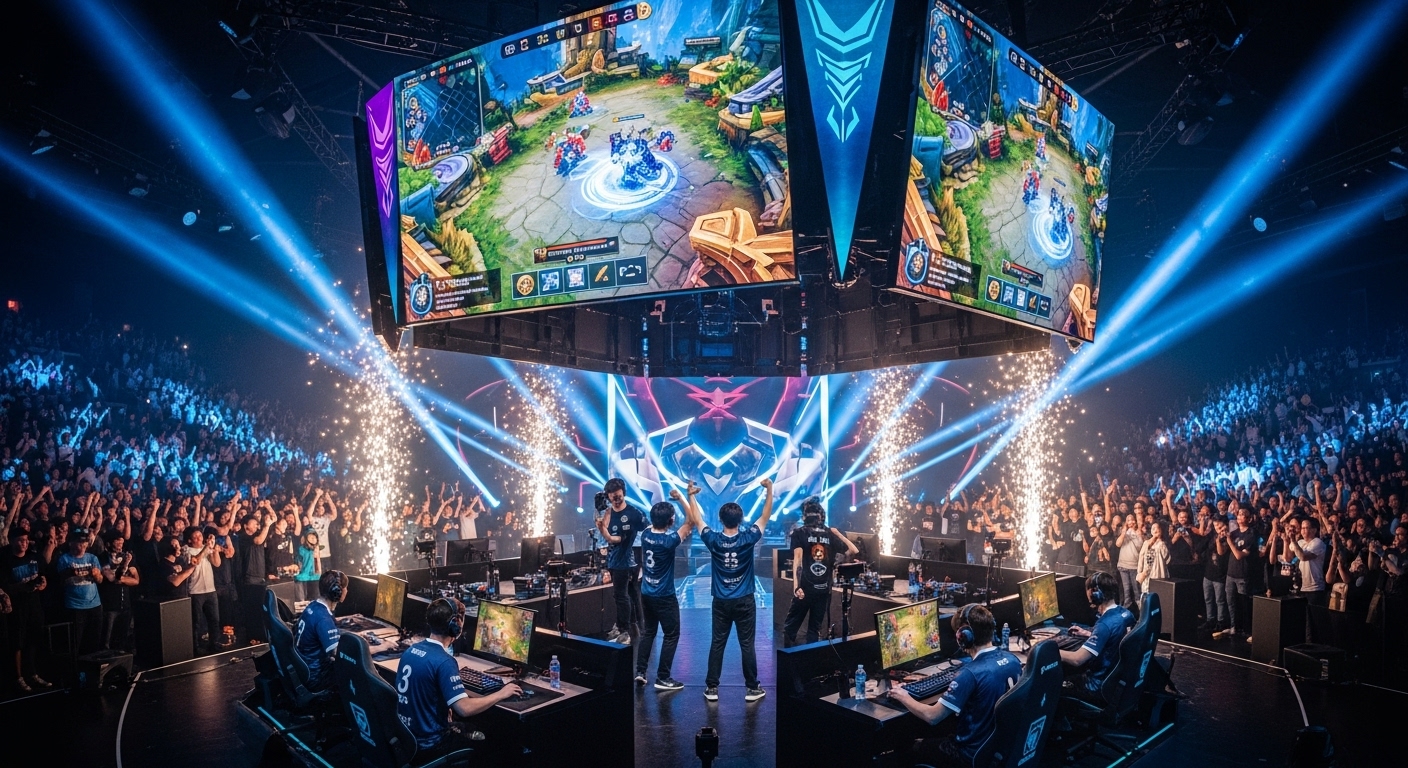
Esports has rapidly evolved from a niche hobby to a professional industry, offering players a chance to compete globally and brands an opportunity to invest in a booming market. Alongside professional players, analysts, and event organizers, esports coaching has emerged as a critical career path. Esports coaches help teams and individual players improve performance, develop strategies, and maintain mental resilience. This article explores esports coaching as a career, its responsibilities, required skills, and why it is becoming an essential part of the industry.
The Rise of Esports Coaching
As competitive gaming has grown, so has the need for structured training and mentorship. Unlike casual gaming, professional esports requires rigorous practice, strategic planning, and psychological preparation. Coaches play a central role in ensuring teams maximize their potential.
1. From Hobby to Profession
Esports is no longer just a pastime; it is a career. Professional leagues, tournaments, and sponsorship deals create high stakes, making coaching an essential investment for success.
2. Team Performance Optimization
Coaches analyze gameplay, identify weaknesses, and implement strategies to enhance team coordination and performance. This structured approach is similar to traditional sports, where coaching is vital to winning championships.
3. Growing Industry Demand
With esports expanding globally, demand for experienced coaches is rising. Teams seek professionals who can guide players, optimize strategies, and foster both individual and team growth.
Key Responsibilities of an Esports Coach
Esports coaching involves more than advising players on gameplay. Coaches fulfill multiple roles that contribute to the overall success of a team.
1. Strategic Planning
Coaches develop game plans, analyze opponents, and adapt strategies during competitions. They identify strengths, weaknesses, and potential opportunities to gain a competitive edge.
2. Player Development
A coach’s role includes improving individual skills, refining decision-making, and teaching in-game mechanics. This development helps players reach peak performance.
3. Mental and Emotional Support
High-level competition can be mentally taxing. Coaches help players manage stress, maintain focus, and recover from losses. Mental resilience is as important as mechanical skill in esports.
4. Review and Analysis
Coaches review match footage, track statistics, and provide feedback to teams. This analytical approach allows for continuous improvement and adaptation to evolving game metas.
5. Team Cohesion
Coaches facilitate communication, resolve conflicts, and foster a positive team culture. Strong team dynamics often determine success in high-pressure situations.
Skills Required to Become an Esports Coach
Effective esports coaches combine gaming expertise with soft skills, analytics, and leadership qualities.
1. In-Depth Game Knowledge
Coaches must thoroughly understand the game, including mechanics, strategies, and meta trends. Expertise allows coaches to provide meaningful guidance and anticipate in-game developments.
2. Analytical Abilities
Coaches analyze player performance, team coordination, and opponent strategies. Strong analytical skills help identify areas for improvement and create effective training plans.
3. Communication Skills
Clear, concise, and constructive communication is crucial. Coaches must convey strategies, feedback, and motivation in a way that players can understand and apply.
4. Leadership and Mentorship
Coaches guide, inspire, and motivate players. Leadership skills help build trust, maintain discipline, and encourage players to achieve their best.
5. Adaptability
Games constantly evolve through patches and updates. Coaches must adapt strategies and teaching methods to keep teams competitive in changing environments.
Different Types of Esports Coaches
Esports coaching encompasses various roles depending on the team, game, and level of competition.
1. Head Coach
The head coach oversees the entire team, developing overall strategies, coordinating practice schedules, and managing player development.
2. Assistant Coach
Assistant coaches support head coaches by focusing on specific aspects, such as analyzing opponents, refining individual skills, or managing communications.
3. Analyst Coach
Analyst coaches specialize in data and statistics, providing insights into gameplay trends, win rates, and strategic weaknesses. Their work informs in-game decisions and long-term planning.
4. Specialist Coaches
Some teams employ coaches for specialized areas, such as mechanical skill improvement, team dynamics, or mental conditioning. These coaches provide targeted training to optimize performance.
Education and Background for Esports Coaching
Unlike traditional sports, esports coaching is relatively new, so formal education paths are still developing. However, certain experiences and qualifications can increase opportunities.
1. Competitive Gaming Experience
Many coaches are former professional players or experienced competitors who understand game mechanics and the pressures of high-level play.
2. Esports Management Courses
Some institutions offer programs focused on esports management, analytics, and coaching. These courses provide foundational knowledge for aspiring coaches.
3. Soft Skills Development
Leadership, communication, and conflict resolution skills are critical. Workshops or courses in psychology, teamwork, or communication can enhance coaching abilities.
4. Online Resources
With esports being digital by nature, coaches can leverage online tutorials, forums, and analytics tools to enhance their expertise and stay updated on trends.
Challenges in Esports Coaching
While esports coaching offers rewarding opportunities, it comes with unique challenges.
1. High-Pressure Environment
Coaches operate under significant pressure, as team performance often directly affects their reputation and career prospects.
2. Constant Evolution of Games
Frequent patches, updates, and meta shifts require coaches to continuously learn and adapt. Failure to keep up can put teams at a competitive disadvantage.
3. Work-Life Balance
Coaching can involve irregular hours, travel, and extensive preparation. Maintaining work-life balance is essential to prevent burnout.
4. Player Management
Managing diverse personalities, egos, and conflicts within a team is challenging. Coaches must navigate interpersonal dynamics carefully to maintain harmony and performance.
Opportunities in Esports Coaching
Despite the challenges, esports coaching offers growing career opportunities.
1. Professional Teams
Top-tier teams in games like League of Legends, Dota 2, and CS:GO require skilled coaches to maintain competitive advantage. These positions offer exposure, experience, and career growth.
2. Academy and Development Teams
Coaches can work with academy or developmental squads, helping new talent transition to professional play. This pathway is critical for nurturing future stars.
3. Content Creation and Analysis
Experienced coaches often contribute to content creation, providing tutorials, strategy breakdowns, and insights for streaming platforms or esports media outlets.
4. International Competitions
Coaching opportunities extend to global tournaments and world championships, offering exposure to elite competition and high-profile events.
The Future of Esports Coaching
As esports continues to grow, coaching will become increasingly professionalized and diversified.
1. Specialized Roles
Future teams may employ coaches for specific skill areas, analytics, and mental conditioning, similar to traditional sports structures.
2. Technological Integration
Advancements in data analytics, AI, and virtual training tools will enhance coaching effectiveness, providing deeper insights into performance and strategy.
3. Increased Recognition
Esports coaches will gain more recognition for their contributions, with awards, media coverage, and industry acknowledgment becoming more common.
4. Career Path Development
As the industry matures, standardized training, certifications, and mentorship programs will provide clear pathways for aspiring esports coaches.
Tips for Aspiring Esports Coaches
For those considering a career in esports coaching, certain steps can increase success and opportunities.
1. Gain Competitive Experience
Participate in tournaments, join teams, or practice at high levels to understand competitive dynamics and gameplay intricacies.
2. Study Strategy and Analytics
Analyze professional games, learn about meta trends, and understand statistical insights to develop effective coaching techniques.
3. Develop Communication Skills
Effective coaching relies on clear, motivational, and constructive communication. Practice leadership and mentoring to build trust with players.
4. Network in the Esports Community
Building relationships with players, teams, and industry professionals can open doors to coaching opportunities and career growth.
5. Stay Adaptable
Games evolve rapidly. Continuous learning and flexibility ensure coaches remain effective despite shifting metas and industry changes.
Conclusion
Esports coaching is a dynamic and growing career path that blends strategic insight, mentorship, and analytical skills. Coaches play a pivotal role in shaping team performance, developing talent, and navigating the complex world of competitive gaming.
As esports continues to expand globally, opportunities for skilled coaches will increase, offering rewarding careers for those passionate about games and player development. From professional leagues to developmental teams and content creation, coaching provides a chance to influence the future of esports, help players achieve their potential, and leave a lasting impact on the industry.
For anyone looking to combine a love for gaming with leadership and strategy, esports coaching represents not just a job but a meaningful and exciting career path in one of the fastest-growing entertainment industries in the world.