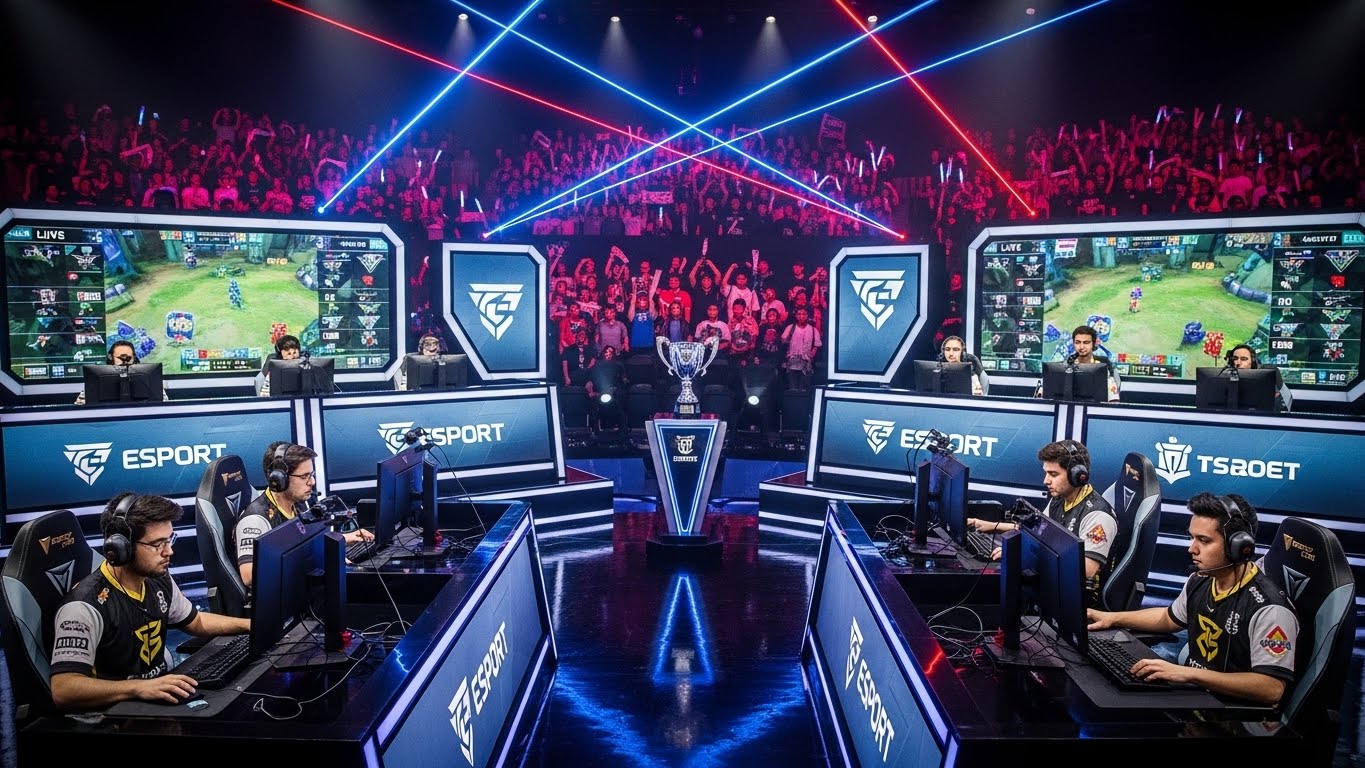

Esports has transformed the world of gaming into a global phenomenon. What started as casual competitions among friends has evolved into a multi-billion-dollar industry, attracting millions of players, fans, and sponsors. Esports combines skill, strategy, and teamwork to create a thrilling form of competition that rivals traditional sports.
The Evolution of Esports
Esports began in small tournaments with local players competing in classic video games. With the rise of online platforms and high-speed internet, players from around the world could compete in real time. Today, esports features massive global tournaments, professional teams, and millions of live viewers, marking its place as a legitimate competitive field.
The Skills of a Champion
Professional esports players require a unique combination of abilities. Quick reflexes, strategic thinking, and teamwork are essential. Players spend hours practicing, analyzing opponents, and refining strategies. Mental focus, adaptability, and perseverance are just as important as physical hand-eye coordination, making esports a demanding and highly skilled pursuit.
The Spectacle of Tournaments
Esports tournaments have grown into major events with live audiences and worldwide streaming. Games from various genres, including strategy, first-person shooters, and multiplayer battle arenas, showcase the highest level of competitive play. Commentary, live analysis, and fan interaction enhance the experience, making esports a dynamic form of entertainment.
Technology and Esports
Technology is the backbone of esports. High-performance gaming rigs, fast internet connections, and advanced software enable seamless competition. Streaming services allow global audiences to watch matches in real time, while analytics tools help players track performance and improve strategies. Technological innovation keeps esports evolving and immersive.
Career Opportunities in Esports
Esports offers diverse career paths beyond professional gaming. Coaches, analysts, commentators, event managers, and content creators all play vital roles in the industry. Many educational institutions now provide esports programs and scholarships, recognizing it as a legitimate and growing career field.
Community and Connection
Esports fosters communities where players and fans connect worldwide. Multiplayer games teach collaboration and communication, while online communities provide spaces for strategy sharing and social interaction. These communities create a sense of belonging, proving that esports is as much about people as it is about competition.
The Future of Esports
The future of esports is bright, driven by advancements in virtual reality, artificial intelligence, and cloud gaming. As technology continues to improve, esports will offer even more immersive experiences and reach wider audiences. The industry’s growth promises new opportunities for players, fans, and professionals alike.
Conclusion: More Than Just Gaming
Esports is more than a game—it is a cultural movement, a competitive arena, and a global community. It challenges players, entertains millions, and connects people across borders. As esports continues to expand, it is shaping the future of entertainment and redefining the way we play and compete.