Introduction: The Rise of a New Sporting Frontier
In the last two decades, competitive gaming has transformed from a niche hobby into a global cultural and economic force. What was once a small community of passionate players competing in local tournaments has evolved into a multi-billion-dollar industry known as esports. Today, esports fills stadiums, attracts millions of online viewers, and offers professional players careers that rival those of traditional athletes. This transformation reflects more than technological progress; it signals a fundamental shift in how competition, entertainment, and community are experienced in the digital age.
Esports is not merely about playing video games at a high level. It is a structured ecosystem that includes professional teams, leagues, sponsors, broadcasters, analysts, and fans spread across the world. As digital connectivity continues to grow, esports stands as a defining symbol of modern competition, blending skill, strategy, and spectacle in ways that resonate deeply with younger generations.
Understanding Esports as a Competitive Discipline
At its core, esports refers to organized, competitive video gaming where individuals or teams compete under standardized rules. These competitions range from one-on-one matches to large-scale team battles, depending on the game. Popular esports titles often fall into categories such as multiplayer online battle arenas, first-person shooters, real-time strategy games, and sports simulations.
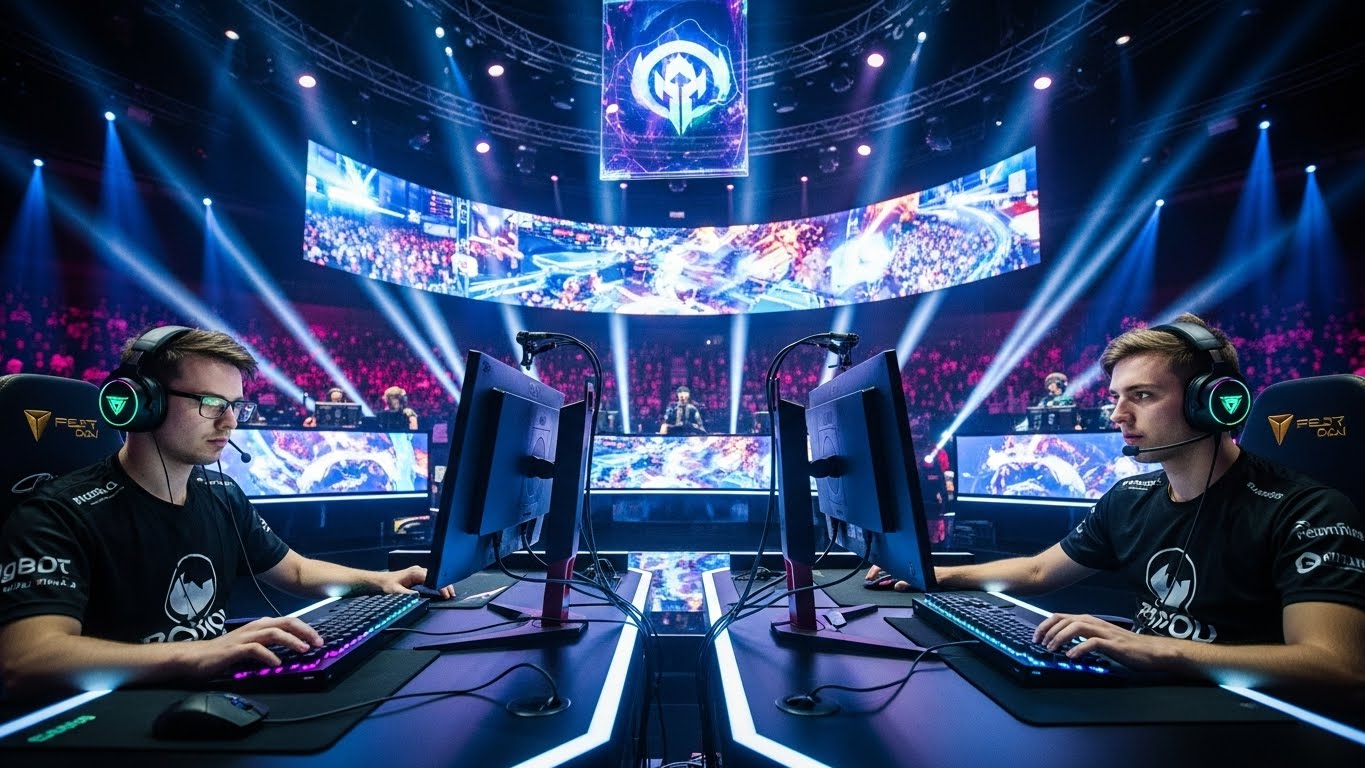
What distinguishes esports from casual gaming is its emphasis on mastery, consistency, and performance under pressure. Professional players train for hours each day, refining mechanics, studying opponents, and coordinating strategies with teammates. Reaction speed, decision-making, communication, and mental resilience are critical components of success. In many ways, the preparation and discipline required mirror those of traditional sports, even though the arena exists in a digital space.
The Evolution from Hobby to Industry
The journey of esports from informal competitions to a global industry has been shaped by technological innovation. Faster internet connections, powerful gaming hardware, and accessible streaming platforms made it possible for competitions to reach massive audiences. Viewers no longer needed to be physically present; they could watch live matches from anywhere in the world.
As audiences grew, businesses took notice. Sponsorships, advertising, merchandise, and media rights began to generate significant revenue. Professional organizations formed, offering players contracts, coaching staff, and structured training environments. Major tournaments started offering prize pools worth millions, further legitimizing esports as a viable career path.
This evolution also changed public perception. Esports is increasingly recognized as a form of professional competition rather than a pastime. Universities now offer esports scholarships, and some countries recognize professional players as athletes for visa and employment purposes.
The Players: Digital Athletes of a New Era
Esports players are often described as digital athletes, a term that reflects the demands of their profession. While esports may not require physical exertion in the traditional sense, it demands exceptional hand-eye coordination, reflexes, and mental stamina. Matches can last for hours, requiring sustained concentration and emotional control.
The career span of an esports player can be relatively short, often peaking in the late teens or early twenties. This reality places intense pressure on young competitors to perform at the highest level early in life. To support them, professional teams provide resources such as sports psychologists, nutrition guidance, and physical fitness programs to maintain overall well-being.
Beyond competition, players also serve as public figures. Many build personal brands through streaming, social media presence, and fan engagement. This connection with fans adds another layer to their careers, blending performance with entertainment and personality.
Teams, Organizations, and the Business of Esports
Behind every successful player is a larger organizational structure. Esports teams function similarly to traditional sports franchises, complete with owners, managers, coaches, analysts, and support staff. These organizations invest heavily in talent development, infrastructure, and marketing.
Revenue streams in esports are diverse. They include sponsorship deals, tournament winnings, merchandise sales, content creation, and partnerships with technology and lifestyle brands. Unlike traditional sports, esports organizations often rely heavily on digital engagement, making community building a central business strategy.
This business model also allows esports to adapt quickly. New games can rise to prominence, and leagues can be restructured with relative speed. While this flexibility fuels innovation, it also introduces uncertainty, requiring organizations to remain agile in a rapidly changing environment.
The Role of Fans and Global Community
One of the most powerful aspects of esports is its global community. Fans from different cultures and regions connect through shared passion for games and teams. Online platforms enable real-time interaction, allowing viewers to chat, react, and celebrate together during live events.
This sense of participation sets esports apart from many traditional forms of entertainment. Fans feel directly involved, often influencing narratives through discussions, memes, and grassroots support. Community-driven content, such as fan art and analysis, further strengthens these bonds.
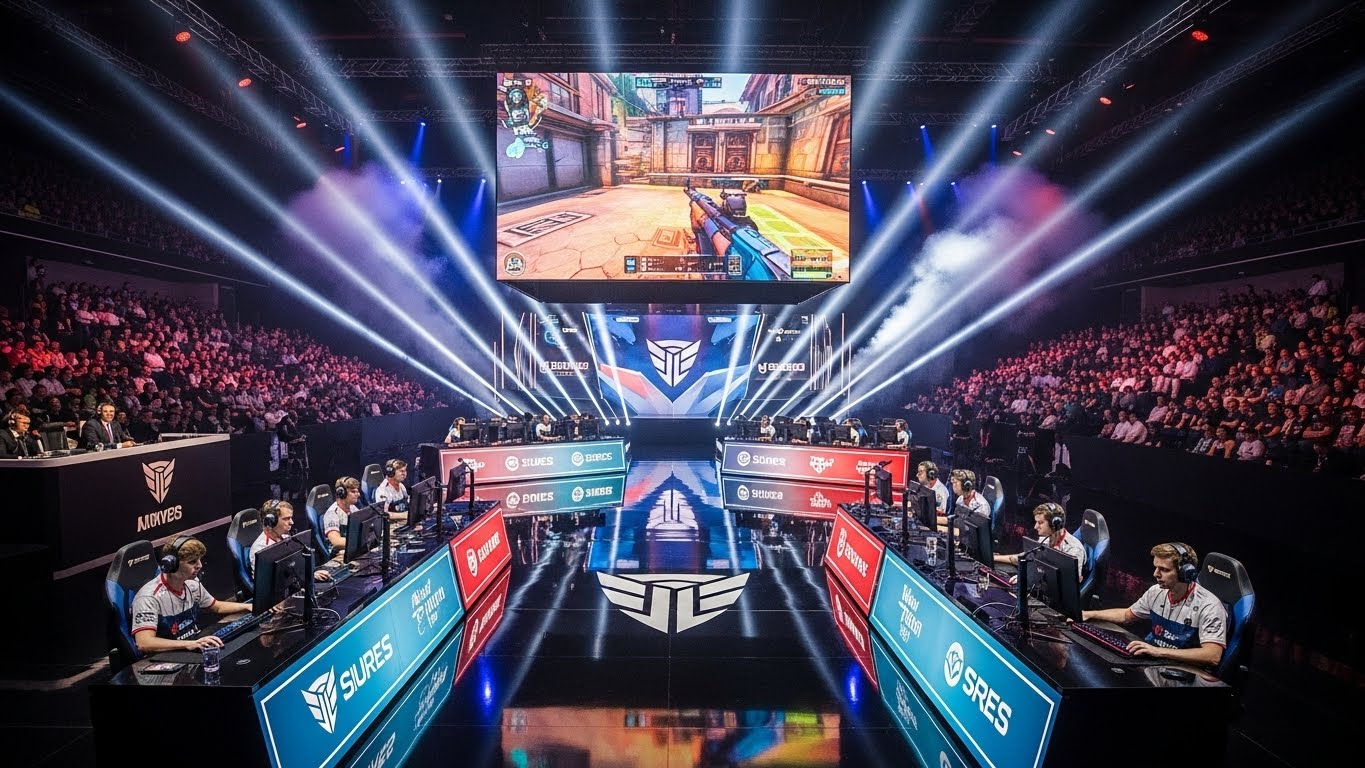
Live events amplify this experience. Large arenas filled with cheering fans demonstrate that esports can generate the same excitement and emotional investment as traditional sports. These gatherings also highlight the inclusivity of esports, welcoming people of all backgrounds united by a common interest.
Technology as the Backbone of Esports
Technology is the foundation upon which esports is built. Advancements in gaming hardware, software optimization, and broadcasting tools continuously shape the competitive landscape. High-performance computers, precise peripherals, and low-latency networks are essential for fair and high-level play.
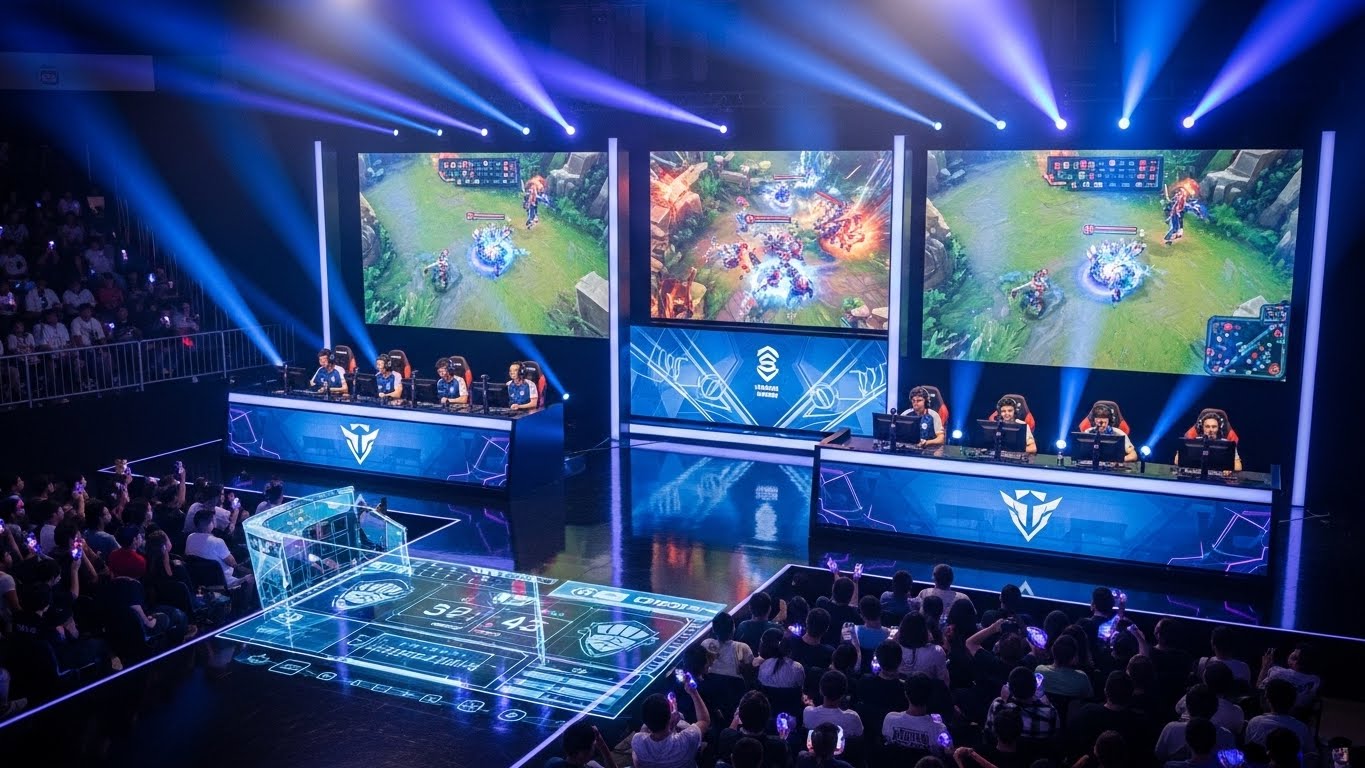
Broadcasting technology has also revolutionized how esports is consumed. Professional production, expert commentary, and data-driven analysis enhance viewer understanding and enjoyment. Spectators can switch perspectives, access real-time statistics, and gain insights that were once reserved for players and coaches.
Looking ahead, emerging technologies such as virtual reality and artificial intelligence may further transform esports. These innovations could create new forms of competition and immersive viewing experiences, pushing the boundaries of what competitive gaming can be.
Challenges Facing the Esports Ecosystem
Despite its growth, esports faces significant challenges. Player burnout is a major concern, driven by intense schedules and constant pressure to perform. Maintaining mental and physical health in such an environment requires ongoing attention and support.
Another challenge lies in regulation and stability. The rapid expansion of esports has sometimes outpaced the development of standardized governance. Issues such as competitive integrity, fair contracts, and consistent league structures remain areas of active discussion.
Additionally, inclusivity and diversity continue to be important topics. While esports is accessible in theory, barriers related to resources, representation, and online behavior can limit participation for some groups. Addressing these issues is essential for sustainable growth.
Esports and the Future of Entertainment
Esports represents a broader shift in how people consume entertainment. It blends competition, storytelling, and interactivity in ways that align with digital lifestyles. Younger audiences, in particular, are drawn to experiences that allow them to engage rather than passively observe.
As traditional sports organizations, media companies, and educational institutions increasingly invest in esports, the line between digital and physical competition continues to blur. Esports is no longer an alternative; it is a central part of the global entertainment landscape.
The future of esports will likely be shaped by collaboration between developers, players, organizations, and fans. By balancing innovation with responsibility, the industry has the potential to create enduring cultural impact.
Conclusion: A Lasting Digital Legacy
Esports is more than a trend driven by technology; it is a reflection of how competition and community have evolved in the digital era. From dedicated players and professional teams to passionate fans around the world, esports brings people together through shared experiences that transcend physical boundaries.
As the industry continues to mature, it will face challenges that test its resilience and values. However, its ability to adapt, innovate, and connect suggests a future filled with opportunity. Esports has already redefined what it means to compete, and its influence will continue to shape the way we play, watch, and engage for generations to come.