Introduction: The Rise of Competitive Gaming
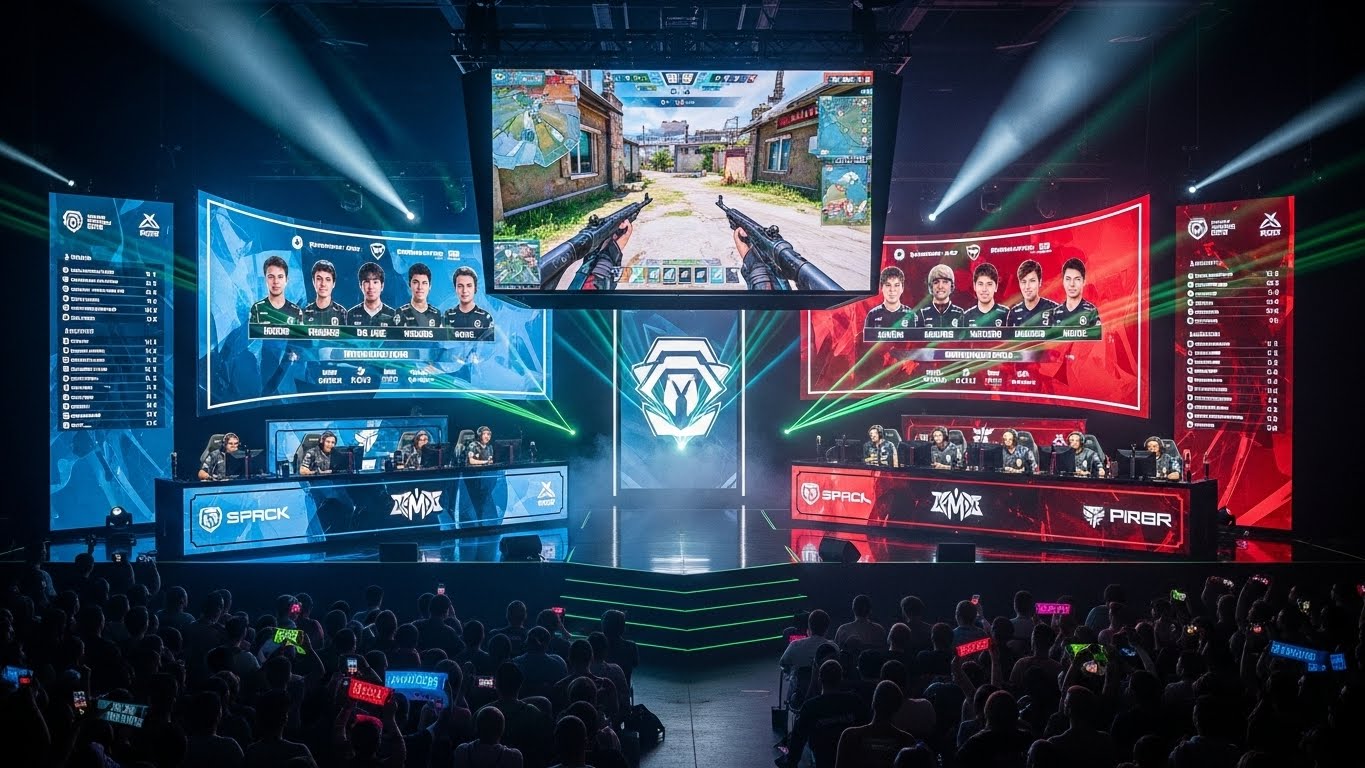
Esports, once dismissed as a niche pastime for teenagers, has evolved into one of the most influential entertainment industries in the world. What began in small gaming arcades and local competitions has transformed into packed arenas, multimillion-dollar prize pools, and professional athletes followed by millions of fans. Esports today is not just about playing video games; it is about competition, community, identity, and opportunity. Its rapid growth reflects broader changes in technology, media consumption, and the way younger generations engage with sports and entertainment.
Understanding What Esports Really Is
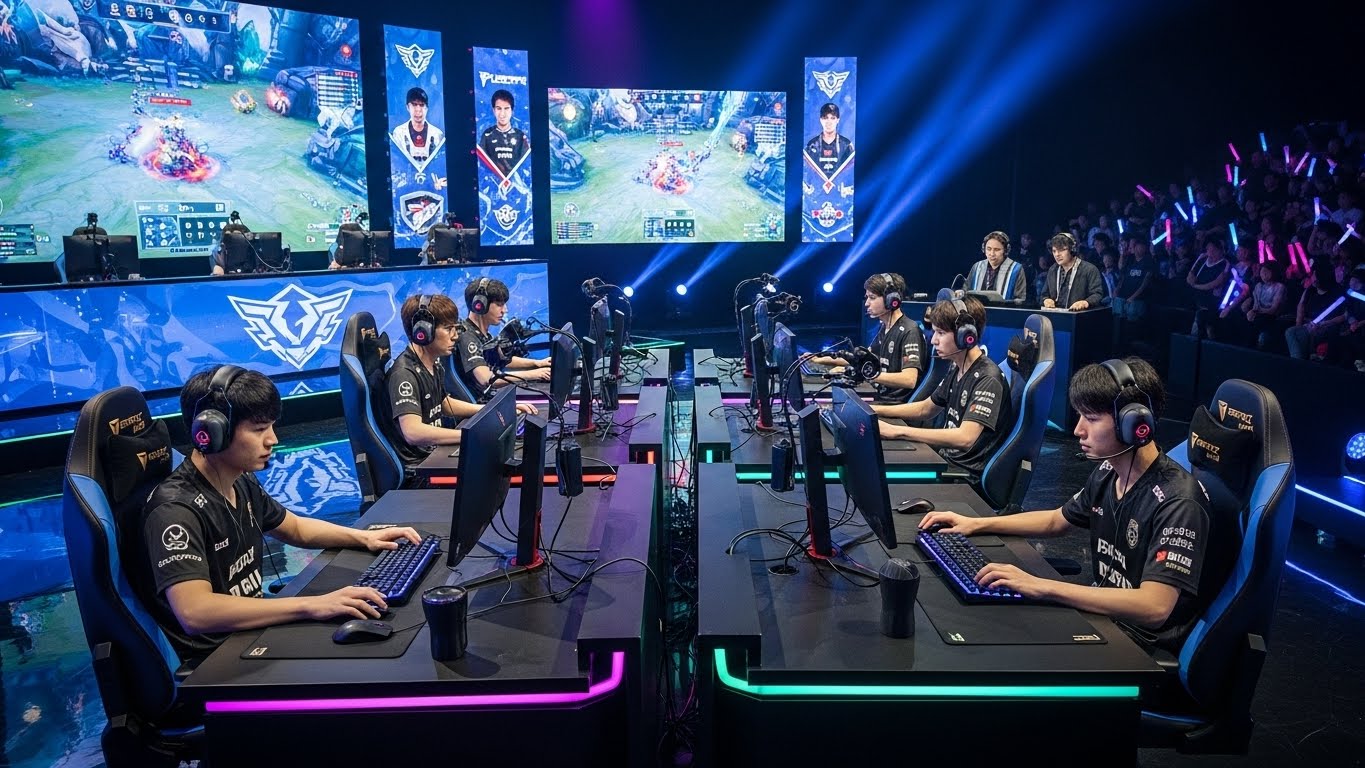
Esports refers to organized, competitive video gaming where individuals or teams compete against each other in structured tournaments. These competitions are governed by rules, supported by professional organizations, and broadcast to audiences across the globe. Unlike casual gaming, esports demands high levels of skill, strategy, discipline, and teamwork. Professional players train for hours each day, analyze gameplay footage, and work with coaches, analysts, and psychologists to improve performance. This structured environment places esports closer to traditional sports than many critics are willing to admit.
The Evolution from Hobby to Profession
In the early days, gaming competitions were informal and often held in small venues with limited audiences. As internet connectivity improved and streaming platforms emerged, competitive gaming gained visibility. Fans could now watch matches live, follow their favorite players, and engage in online communities. Game developers recognized this potential and began designing titles with competitive balance and spectator appeal in mind. Over time, sponsorships, advertising, and media rights transformed esports into a viable career path. Today, professional gamers sign contracts, earn salaries, and compete on international stages.
Popular Games That Shaped the Esports Scene
The growth of esports has been driven by a diverse range of games, each offering unique competitive experiences. Strategy-based games reward tactical thinking and long-term planning, while fast-paced action games emphasize reflexes and precision. Team-based titles highlight communication and coordination, often requiring players to specialize in specific roles. This diversity has allowed esports to attract a wide audience, as fans can connect with games that match their interests and play styles. The constant evolution of these games ensures that esports remains dynamic and unpredictable.
The Role of Technology in Esports Growth
Technology has been the backbone of esports expansion. High-speed internet enables real-time competition between players across continents. Advanced gaming hardware allows for smoother gameplay and higher levels of performance. Streaming technology has made it possible for fans to watch events live, interact with commentators, and support players through online engagement. Social media platforms amplify the reach of esports, turning players into global personalities and competitions into trending cultural moments. Without these technological advancements, esports would not have achieved its current scale.
Esports Athletes and the Reality of Training
Contrary to the stereotype of gamers as unmotivated or unhealthy, professional esports players follow demanding routines. Training schedules often include mechanical practice, strategy sessions, team scrimmages, and physical exercise. Mental health is also a growing focus, as players must cope with pressure, public scrutiny, and intense competition. Reaction time, decision-making speed, and emotional control are critical skills. As a result, esports organizations increasingly invest in fitness trainers, nutritionists, and sports psychologists to support their players’ overall well-being.
The Business Side of Esports
Esports is not only a competitive arena but also a complex business ecosystem. Revenue comes from sponsorships, advertising, merchandise, ticket sales, and media rights. Major brands from technology, fashion, food, and automotive industries have entered the esports space to reach younger, digitally native audiences. Teams operate like traditional sports franchises, managing player contracts, branding, and fan engagement. Event organizers coordinate large-scale tournaments that rival traditional sporting events in production quality. This business infrastructure has played a crucial role in legitimizing esports as a sustainable industry.
Esports as a Global Community
One of the most powerful aspects of esports is its ability to connect people across borders. Fans from different countries can support the same team, discuss strategies, and celebrate victories together. Online communities form around games, players, and tournaments, creating a sense of belonging that extends beyond geography. This global nature also promotes cultural exchange, as players and fans are exposed to different languages, customs, and perspectives. Esports, in many ways, represents a new form of global culture built on shared digital experiences.
Education and Career Opportunities in Esports
As esports has grown, so have the opportunities surrounding it. Careers now extend far beyond professional playing. Coaching, event management, broadcasting, marketing, content creation, and game development are all viable paths within the esports ecosystem. Educational institutions have begun offering programs and scholarships related to esports, recognizing its potential as both an academic field and a career option. These developments highlight how esports can serve as a gateway to technology-driven professions for younger generations.
Challenges Facing the Esports Industry
Despite its success, esports faces several challenges. Issues such as player burnout, lack of standardized regulations, and concerns about inclusivity continue to shape discussions within the industry. Maintaining competitive integrity, preventing cheating, and ensuring fair treatment of players are ongoing priorities. Additionally, as esports grows, it must balance commercial interests with the needs of its community. Addressing these challenges will be essential for long-term stability and credibility.
The Cultural Impact of Esports
Esports has influenced popular culture in significant ways. Professional gamers are now celebrities, inspiring fans and shaping trends in fashion, language, and online behavior. Esports events are social experiences, often compared to music festivals or traditional sports championships. The industry has also changed perceptions of gaming, transforming it from a solitary activity into a shared, competitive spectacle. This cultural shift reflects broader changes in how society values digital skills and online communities.
The Future of Esports
Looking ahead, the future of esports appears promising. Advancements in virtual reality, augmented reality, and artificial intelligence may further enhance the competitive and spectator experience. Increased collaboration between traditional sports organizations and esports teams could bring new audiences and resources. As infrastructure improves in developing regions, esports is likely to become even more global and inclusive. While challenges remain, the industry’s ability to adapt and innovate suggests that esports will continue to grow and evolve.
Conclusion: More Than Just a Game
Esports is no longer just about winning matches or achieving high scores. It represents a new form of competition that blends technology, entertainment, and human skill. Its impact can be seen in business, education, culture, and global connectivity. By redefining what it means to be an athlete and a fan in the digital age, esports has carved out a unique place in modern society. As it continues to mature, esports stands as a powerful example of how passion and innovation can turn play into purpose.