
Introduction
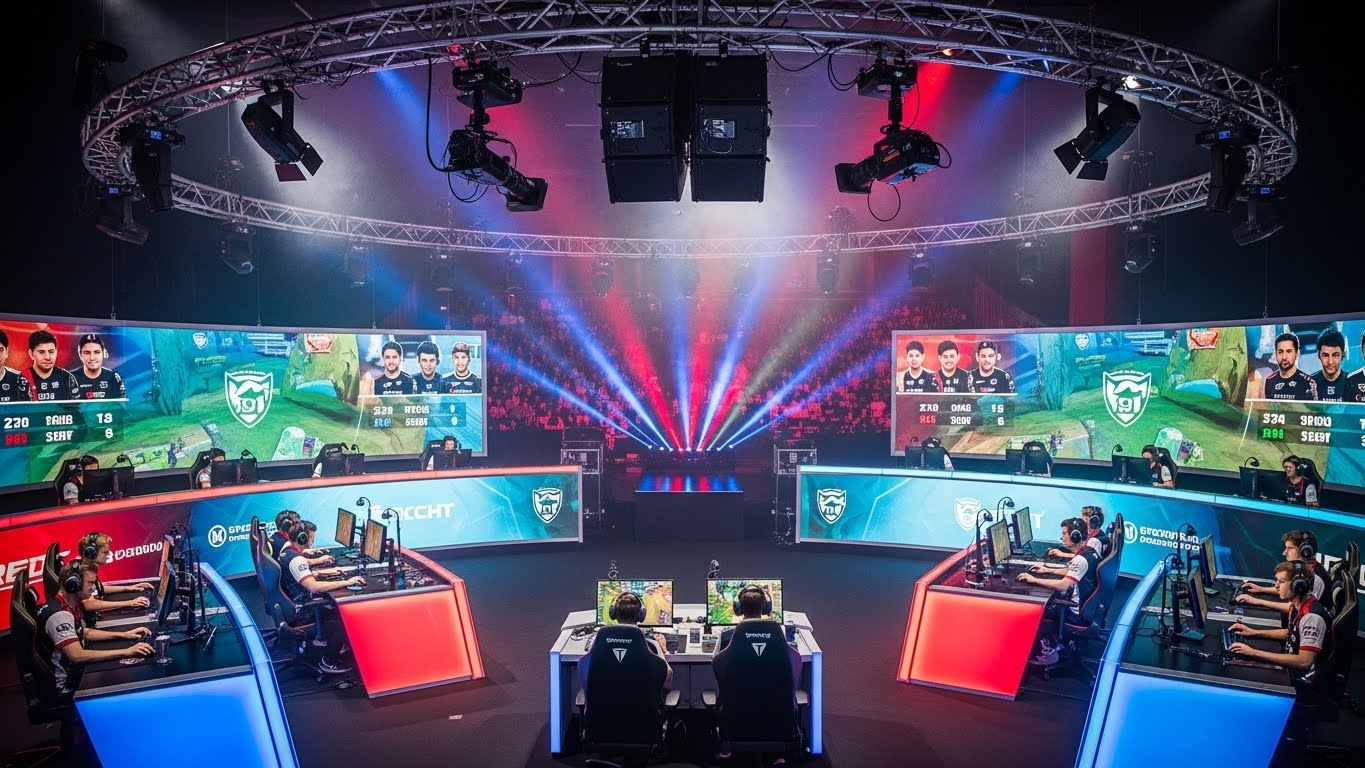
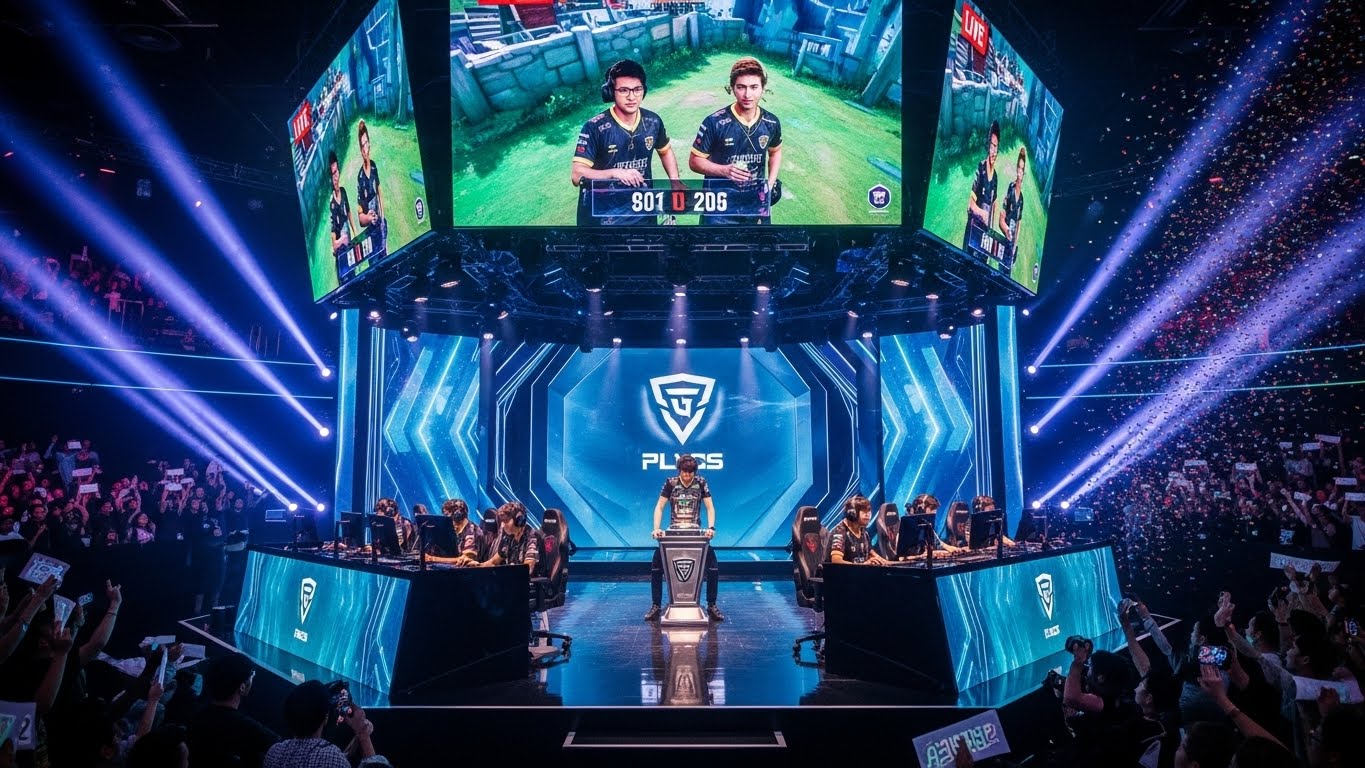
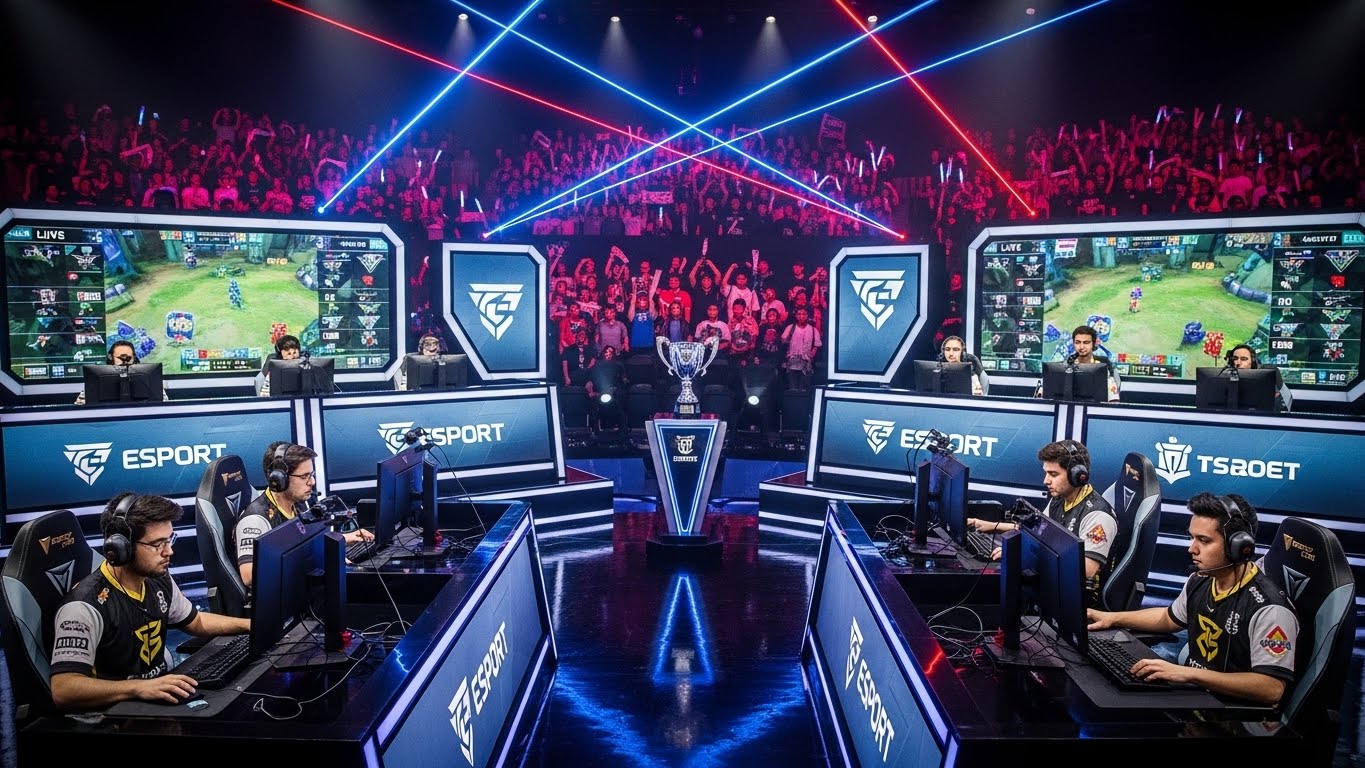
Esports has become one of the fastest-growing industries in the world, transforming video games into a global platform for competition and entertainment. What once began as small gaming gatherings has now evolved into massive tournaments watched by millions. With professional players, dedicated fans, and lucrative sponsorships, esports has proven that digital competition can stand shoulder to shoulder with traditional sports.
The Beginning of Esports
The origins of esports can be traced back to the late 20th century when video gaming first became popular. Early competitions were simple and small, often held in gaming arcades or college campuses. However, with the rise of the internet, players could now compete with opponents from around the world. This shift laid the foundation for organized gaming leagues and international tournaments that would later define the esports scene.
Rise of Professional Gaming
Today, professional esports players are admired in the same way as traditional athletes. They undergo rigorous training, practice for long hours, and study strategies to outperform their rivals. Each player specializes in a particular game, mastering its mechanics and techniques. Esports teams function just like sports clubs, with coaches, analysts, and managers working together to create winning strategies.
Popular Esports Games
The esports industry is dominated by several major titles that have captured the hearts of millions. Games like League of Legends, Dota 2, Valorant, Counter-Strike: Global Offensive, and Fortnite are among the most watched and played in the world. These games require not only fast reflexes but also teamwork, strategy, and communication, making them both exciting to play and to watch.
The Audience and Community
A major reason for the explosive growth of esports is its passionate global audience. Fans watch matches live, cheer for their favorite teams, and even attend events in massive arenas. The community aspect of esports is powerful, bringing together people from different countries and cultures who share the same passion for gaming. This unity has made esports more than just a form of entertainment—it has become a lifestyle and a global movement.
Technology and Innovation in Esports
Esports thrives on technological advancement. High-speed internet, powerful computers, and advanced graphics have revolutionized the way games are played and viewed. Streaming platforms allow fans to follow their favorite players from anywhere in the world. In the future, technologies like virtual reality and augmented reality are expected to make esports even more immersive and interactive.
Career Opportunities in Esports
Esports offers a wide range of career paths beyond playing professionally. Many individuals work behind the scenes as coaches, event organizers, commentators, game developers, and marketers. Universities have started offering scholarships and degree programs in esports management, recognizing it as a serious and sustainable career field. The industry’s growth continues to create opportunities for both players and professionals from various backgrounds.
Esports and Global Recognition
Esports has gained recognition on a global scale. Major tournaments now draw millions of viewers, and prize pools reach millions of dollars. Some countries have even begun to recognize esports players as official athletes. This acceptance highlights how esports has evolved into a legitimate sport that combines mental agility, strategy, and teamwork.
The Future of Esports
The future of esports is bright and full of promise. As technology continues to advance, the line between virtual and physical competition will continue to blur. Esports may soon become a part of major international sporting events, further solidifying its position in the global sports landscape. The industry will continue to inspire new generations of players and fans who see gaming not just as a hobby, but as a path to success and recognition.
Conclusion
Esports is more than just playing games—it is a blend of passion, skill, and innovation. It has redefined competition in the modern world, connecting millions through digital platforms. As the industry continues to expand, esports will remain a symbol of how technology and human creativity can come together to create something extraordinary. The digital battlefield is here, and its champions are ready to shape the future of global competition.