
Introduction
Esports, or competitive video gaming, has emerged as one of the fastest-growing entertainment industries in the world. Once seen merely as a hobby for gamers, it has transformed into a professional arena attracting millions of players and fans worldwide. Today, esports is not just about playing games—it is about strategy, skill, teamwork, and passion.
The Evolution of Esports
Esports began with small, local gaming competitions, but its evolution has been remarkable. With the advent of online streaming and competitive platforms, tournaments now reach a global audience. Popular games like League of Legends, Dota 2, Fortnite, and Counter-Strike have established international leagues, with prize pools reaching millions of dollars. The industry has grown from casual matches in basements to stadiums packed with thousands of cheering fans.
Professional Players and Careers
Competitive gaming has created career opportunities beyond what most people imagine. Professional players dedicate hours daily to training, analyzing opponents, and perfecting their skills. Careers in esports are not limited to playing—many become content creators, coaches, analysts, or brand ambassadors. The industry rewards discipline, teamwork, and innovation, offering both recognition and financial stability to those who excel.
Tournaments and Competitive Events
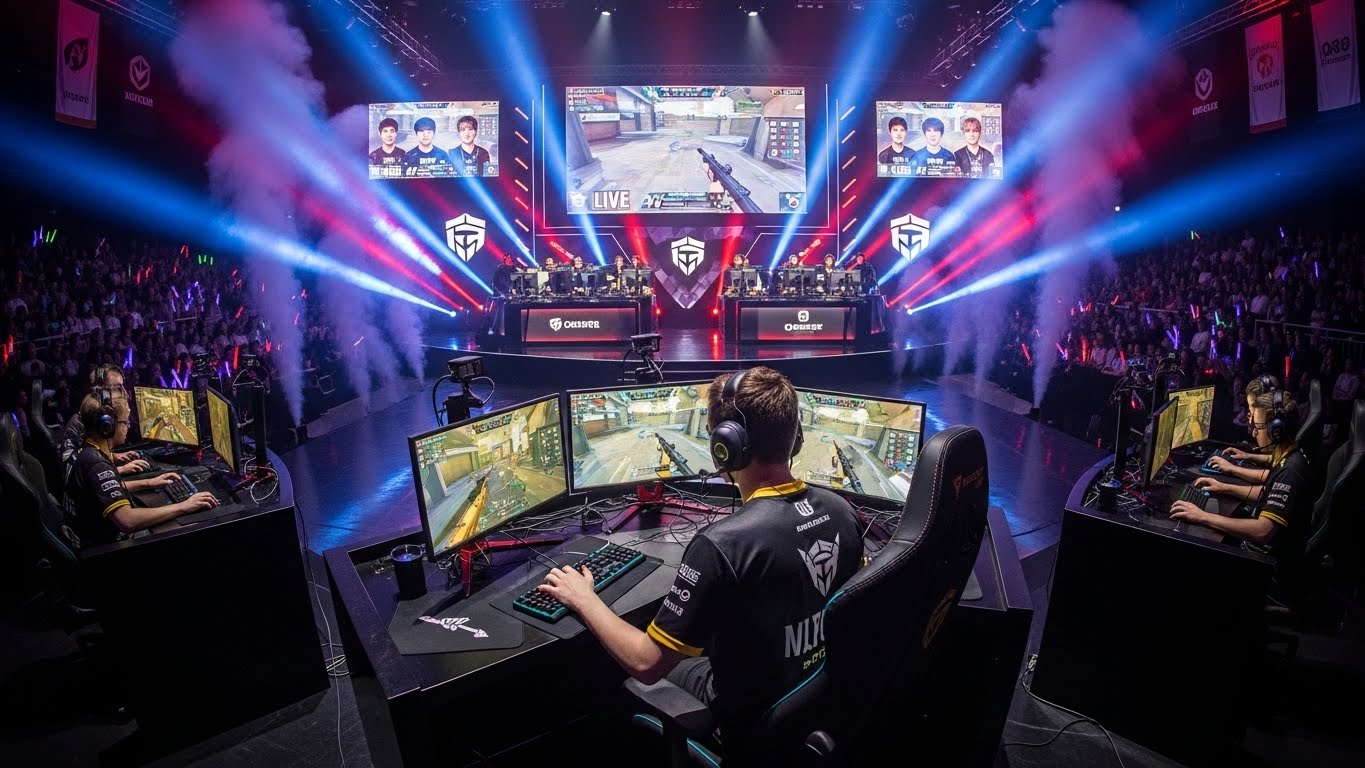
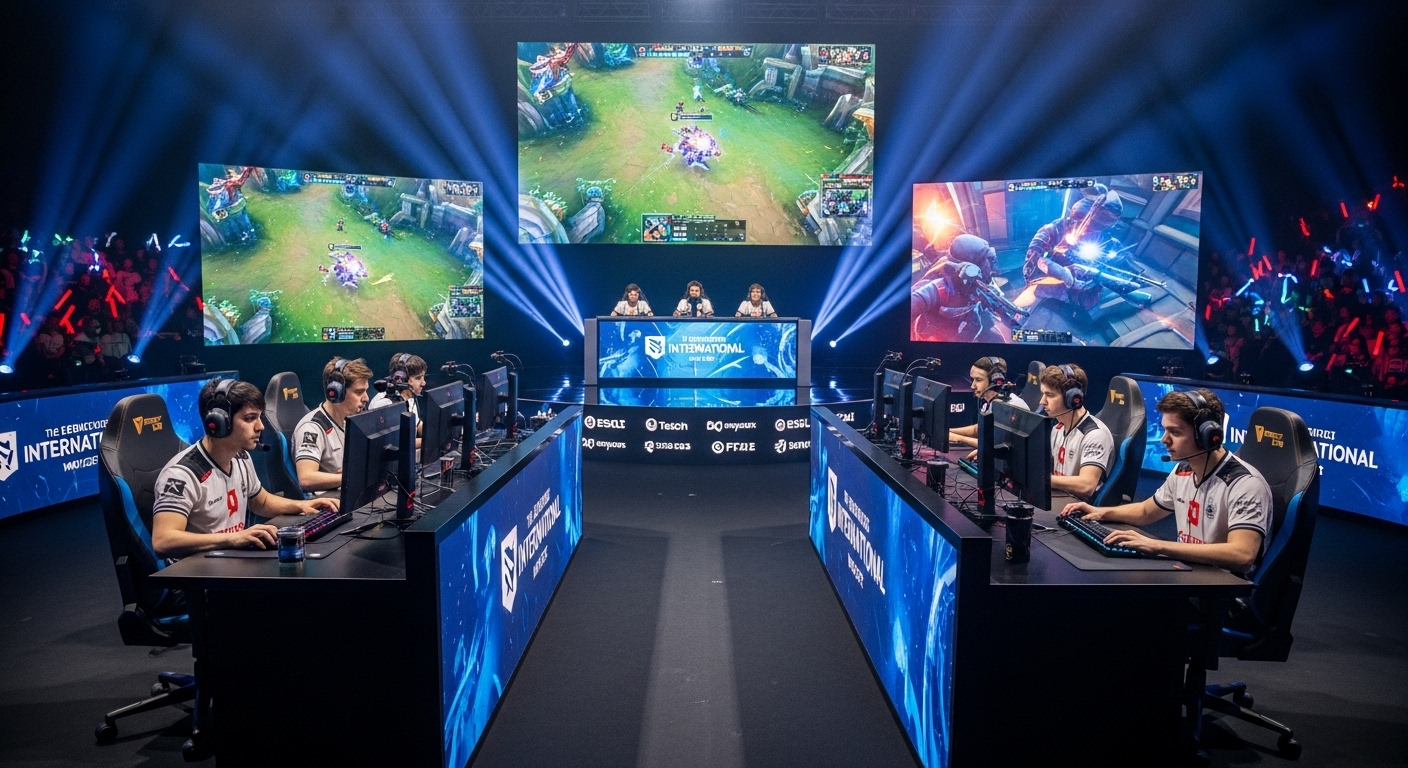
Esports tournaments are now grand events with sophisticated production quality. Live commentary, analysis, and enthusiastic crowds make these competitions as thrilling as traditional sports. Major events like The International in Dota 2 or the League of Legends World Championship showcase top-level strategy and skill, captivating audiences across continents. These tournaments foster community, inspire aspiring gamers, and elevate esports to mainstream recognition.
Impact on Society and Culture
Esports has extended its influence beyond gaming. It shapes fashion trends, entertainment, and even education. Some universities now provide esports scholarships, while schools introduce gaming clubs to nurture young talent. The rise of esports demonstrates that competitive gaming has become an accepted part of cultural and social life, influencing how society views teamwork, strategy, and digital engagement.
Challenges Facing the Industry
Despite its growth, esports faces challenges. Player burnout, mental health issues, and the intense pressures of competition are significant concerns. Additionally, debates about the legitimacy of esports compared to traditional sports continue. However, the industry is evolving, introducing wellness programs, regulations, and initiatives to ensure player safety and sustainable growth.
The Future of Esports
The future of esports is bright and full of potential. Advancements in technology, including virtual reality and mobile gaming, will expand accessibility and engagement. As more people embrace competitive gaming, esports is poised to become a major entertainment pillar worldwide. Its growth signals a shift in how society views sports, competition, and digital culture.
Conclusion
Esports has transcended its origins as a casual hobby to become a global phenomenon. With professional careers, massive tournaments, and cultural impact, it continues to redefine the world of competition. The journey of esports is only beginning, and its future promises even greater innovation, excitement, and opportunity for players and fans alike.