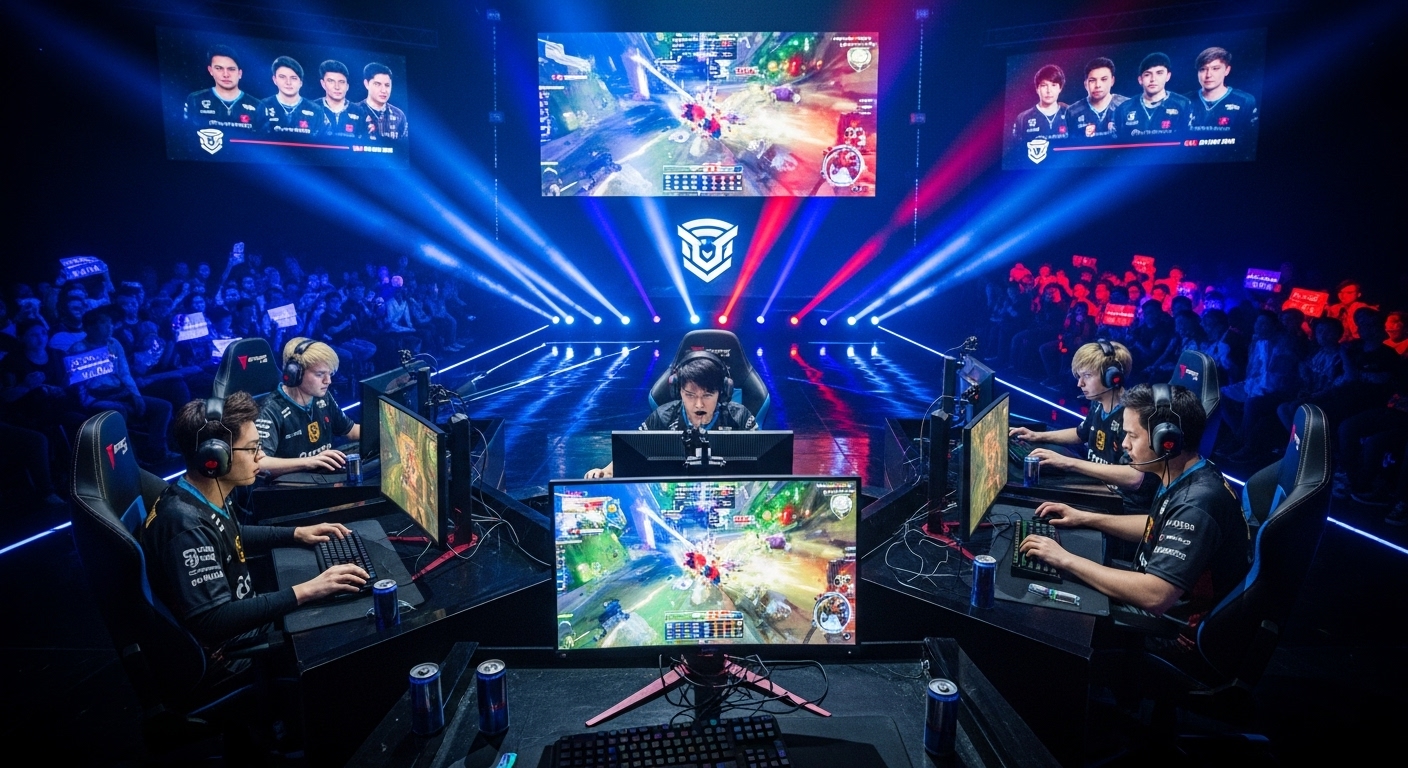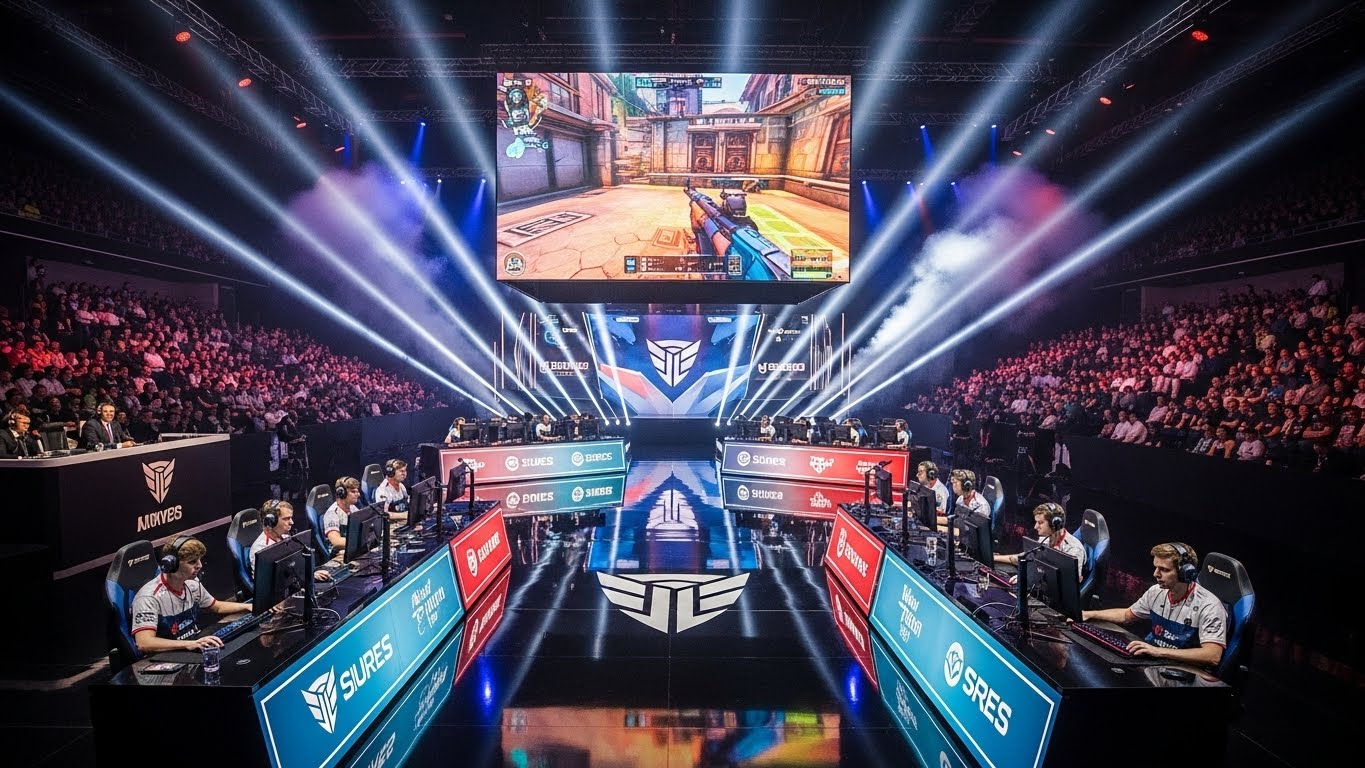

Esports, short for electronic sports, refers to the competitive world of video gaming, where professional players, teams, and organizations battle it out in virtual arenas for glory, prize money, and fame. Once a niche hobby for passionate gamers, esports has transformed into a billion-dollar industry, attracting millions of viewers and sponsorships from global brands. In this blog post, we will explore the fascinating journey of esports, its current status, and what the future holds for this rapidly evolving sector.
The Birth of Esports: From LAN Parties to Global Competitions
Esports traces its origins back to the early days of video gaming when players gathered in local arcades or their homes to compete against each other. The concept of organized competitive gaming, however, truly began to take shape in the late 1990s and early 2000s. One of the earliest recorded esports competitions was the 1997 Red Annihilation tournament for the popular first-person shooter Quake, where the winner took home a Ferrari. This event set the stage for competitive gaming and highlighted the potential for esports to evolve beyond casual play.
The late ’90s and early 2000s saw the rise of LAN (Local Area Network) parties, where players would connect their computers together to compete in multiplayer games. Titles like StarCraft, Warcraft III, and Counter-Strike began to dominate the competitive gaming scene, with tournaments popping up across the globe. These events were relatively small, but they laid the foundation for the esports scene that would later flourish.
The Rise of Online Tournaments and the Global Community
In the 2000s, the introduction of broadband internet and the rise of online gaming platforms made it easier for players to connect with each other from anywhere in the world. Games like World of Warcraft and Counter-Strike became the centerpiece of online competitive play. With more players competing online, tournaments became more widespread and sophisticated. Organizations like Major League Gaming (MLG) and ESL (Electronic Sports League) began to hold large-scale competitions, attracting not only players but also a growing audience of viewers.
The early days of esports were marked by a sense of community. The fans and players formed tight-knit communities around games, where discussions, strategies, and updates were shared on forums and social media platforms. The sense of camaraderie between players, fans, and streamers helped propel esports forward as a social phenomenon. Esports was no longer just about the competition; it was also about shared experiences, interactions, and building a global network of fans.
The Professionalization of Esports
By the 2010s, esports had grown beyond its grassroots origins, with professional players, coaches, analysts, and broadcasters becoming integral parts of the ecosystem. Tournaments became larger and more lucrative, with top-tier events like The International (Dota 2), League of Legends World Championship, and CS:GO Major Championships offering multi-million dollar prize pools. The increased prize money and sponsorships attracted the attention of traditional sports organizations, and esports began to be recognized as a legitimate form of competition.
This period also saw the rise of esports organizations and teams. These professional teams now had dedicated staff, including coaches, analysts, and managers, who helped players optimize their performance. As esports became more professional, players also had to focus on maintaining peak physical and mental health, with some teams employing fitness trainers and psychologists to enhance their performance.
Esports broadcasting also evolved during this time. Platforms like Twitch and YouTube Gaming allowed gamers to stream their gameplay to a global audience, and these streams became an essential part of the esports ecosystem. Major tournaments were broadcast live, attracting millions of viewers, and the commentators, known as casters, added energy and excitement to the matches, making esports even more engaging for fans.
The Economic Impact of Esports
Esports is not just a form of entertainment; it is also a booming industry that contributes significantly to the global economy. In 2020, the esports industry was estimated to be worth over $1 billion, and it is expected to continue growing. The revenue streams for esports come from various sources, including sponsorships, advertising, ticket sales, merchandise, and media rights. Major brands from industries such as technology, automobiles, apparel, and even traditional sports are investing heavily in esports.
Sponsorships have become one of the largest sources of revenue for esports organizations and tournaments. Brands like Red Bull, Intel, Coca-Cola, and Nike are just a few examples of companies that have invested in esports, seeing the potential to reach a young and engaged audience. These sponsorships have helped elevate esports events, turning them into high-production spectacles with live broadcasts, on-stage interviews, and elaborate opening ceremonies.
Media rights are another significant source of income for esports. Platforms like Twitch, YouTube, and Facebook Gaming have signed multi-million-dollar deals to broadcast esports tournaments. These platforms attract millions of viewers, and advertisers are keen to tap into the audience’s attention, driving up the value of media rights.
Esports as a Career Path
One of the most significant changes in the esports industry is the recognition of gaming as a legitimate career path. Professional gamers can earn money through tournament winnings, sponsorships, streaming, and content creation. This has opened up opportunities for young players who dream of making a living from their passion for gaming.
For many players, becoming a professional gamer is no longer just a pipe dream. The growing number of esports academies, training programs, and sponsorships means that young players now have the resources and support to hone their skills and pursue a career in gaming. Additionally, esports scholarships are now being offered by colleges and universities around the world, further cementing esports as a legitimate career choice.
The Role of Streaming Platforms in Esports
Streaming platforms like Twitch and YouTube Gaming have played a crucial role in the rise of esports. These platforms allow gamers to broadcast their gameplay live, interact with fans, and build their personal brands. Many professional esports players have built massive followings on these platforms, which further boosts their earning potential.
Twitch, in particular, has become the go-to platform for esports broadcasting. It offers a dedicated space for esports tournaments, as well as individual streamers who play and interact with their audiences. Twitch also provides tools for monetization, such as subscriptions, donations, and ad revenue, allowing streamers to make a living from their content. As the popularity of these platforms grows, so does the visibility and reach of esports.
In addition to live streaming, platforms like YouTube and Facebook Gaming have also made significant contributions to the esports ecosystem. These platforms offer a combination of live broadcasts, recorded content, and highlights, providing esports fans with multiple ways to consume content.
The Global Reach of Esports
Esports is truly a global phenomenon. What started as a niche hobby in specific regions has now spread worldwide. The competitive gaming scene is thriving in Asia, North America, Europe, and beyond. Major tournaments are held in different parts of the world, and international competitions, such as The International and the League of Legends World Championship, feature teams from across the globe.
The global reach of esports has also led to the creation of international leagues and tournaments, such as the Overwatch League, Call of Duty League, and PUBG Mobile Global Championship. These leagues feature teams from different countries, competing for national and international titles. The international nature of esports has fostered a sense of unity among fans from diverse backgrounds, making esports a truly global community.
The Future of Esports: Innovation, Growth, and New Frontiers
Looking ahead, the future of esports seems brighter than ever. As technology continues to evolve, so too will the way we experience competitive gaming. The introduction of virtual reality (VR) and augmented reality (AR) could provide new, immersive ways for players and spectators to engage with esports. VR could enable players to compete in fully immersive environments, while AR could bring esports broadcasts to life in new and exciting ways.
Another area of growth for esports is mobile gaming. Mobile esports has exploded in popularity, with games like PUBG Mobile, Clash Royale, and Free Fire attracting millions of players and viewers worldwide. Mobile esports offers a more accessible entry point for players who may not have access to high-end gaming PCs or consoles, further expanding the reach of competitive gaming.
Esports is also expected to continue its integration with traditional sports. In recent years, traditional sports organizations, such as the NBA, NFL, and FC Barcelona, have entered the esports space by sponsoring teams or creating their own esports leagues. This convergence of esports and traditional sports will likely continue, bringing new opportunities and greater legitimacy to the world of competitive gaming.
Finally, the continued growth of esports will lead to even greater investment in player development, infrastructure, and tournament production. The professionalization of esports will continue, with players, coaches, and analysts becoming even more specialized. As the industry matures, esports will become a more polished and sophisticated form of entertainment, attracting an even wider audience.
Conclusion
Esports has come a long way from its humble beginnings in local LAN parties to becoming a global, multi-billion-dollar industry. With its rapid growth, increasing mainstream recognition, and expanding fanbase, esports has cemented its place as a dominant force in the entertainment world. As technology advances and new opportunities arise, esports will continue to evolve and inspire millions of players and fans worldwide. Whether you’re a casual gamer or a die-hard esports fan, one thing is certain: the future of esports is incredibly bright.